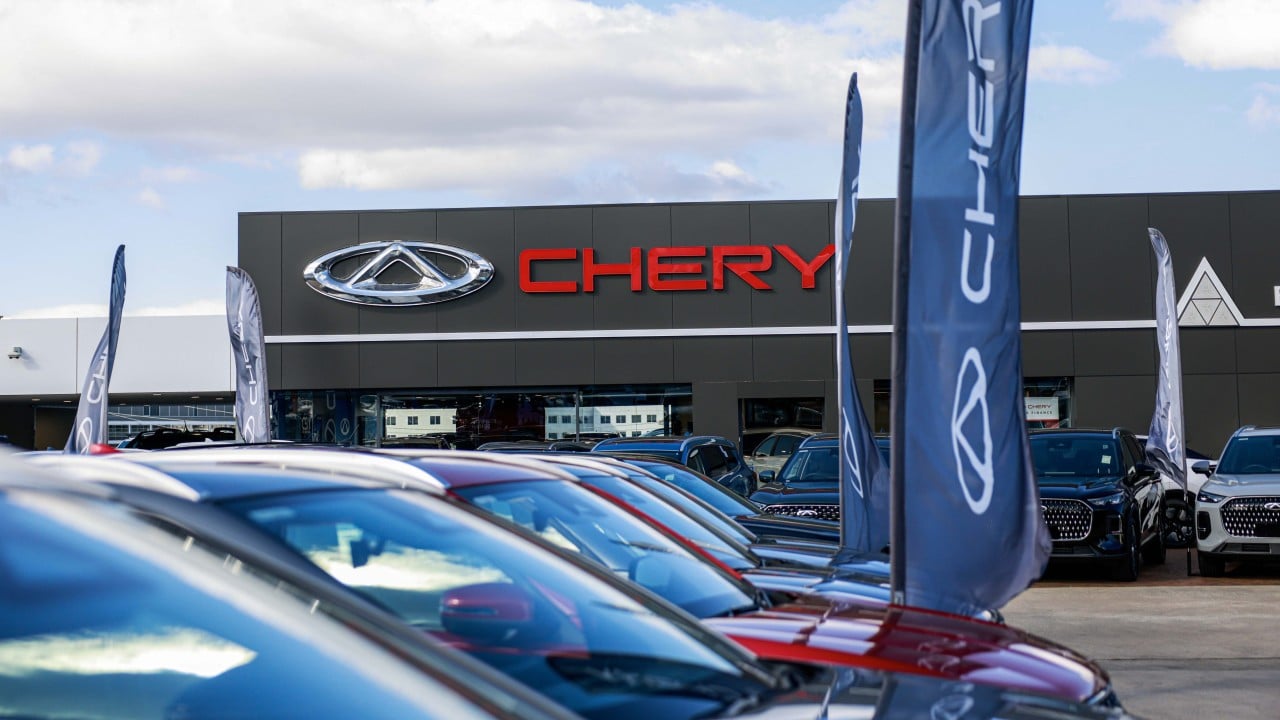
Electric vehicle range anxiety is about to hit a brick wall. For years, automakers promised that solid-state batteries were just around the corner, yet drivers kept buying cars stuffed with heavy, liquid-based lithium-ion packs. Now, major players are putting real money behind aggressive timelines. Chery Holding Group chairman Yin Tongyue recently outlined plans to launch vehicle validation trials for all-solid-state batteries, pushing the industry closer to a commercial reality that many skeptics thought was decades away.
If you have been tracking the EV market, you know the holy grail has always been a battery that packs massive energy density without turning into a fire hazard. Chery is diving headfirst into this race with its proprietary Rhino Battery family. The company's solid-state specific cells are already hitting an impressive 400 watt-hours per kilogram, with advanced concepts reaching even higher thresholds. That is roughly double the energy density of standard EV batteries on the road today. In similar developments, we also covered: Orbital Proximity Operations and the Mechanics of Space Deterrence.
The Real Reason Solid State Matters Now
Traditional lithium-ion batteries rely on liquid electrolytes. Those liquids work, but they degrade, struggle in freezing temperatures, and carry thermal runaway risks if punctured. Solid-state technology swaps that liquid for a solid material.
The practical outcome of this swap is staggering. We are looking at driving ranges that comfortably clear 1,000 kilometers on a single charge, with some high-end configurations pushing past 1,500 kilometers even in harsh winter weather. Imagine driving across multiple states without ever needing to map out a fast-charging stop. That changes road trips entirely. Wired has provided coverage on this fascinating subject in great detail.
Chery isn't just relying on laboratory theories. The automaker plans to roll out hybrid solid-liquid versions of its Rhino battery for initial vehicle deployment, followed by rigorous on-road validation for full solid-state variants. To make this happen, Chery is pumping over RMB 10 billion into specialized research and expanding its dedicated engineering team to more than 1,200 personnel.
Challenges the Marketing Material Ignores
Let's be honest about the hurdles. Building a lab-scale solid-state cell is one thing. Mass-producing millions of them with zero defects at an affordable price point is an entirely different beast.
Manufacturing solid electrolytes at scale requires extreme precision. Interface resistance between the solid electrolyte and the electrodes can throttle performance if it isn't managed correctly. This is why Chery is taking a phased approach, starting with semi-solid deployments before moving to unyielding all-solid-state systems. They are prioritizing safety over pure speed, adopting a multi-pathway strategy to ensure vehicles don't hit showrooms before the chemistry is bulletproof.
Other heavyweights like Geely and BYD are running similar plays, turning the next few years into a high-stakes engineering sprint. The race is no longer about who can talk about solid-state tech the loudest. It is about who can survive the manufacturing valley of death and put a stable pack into a consumer vehicle.
What This Means for Car Buyers
If you are thinking about buying a new electric vehicle right now, you might wonder if you should wait. Don't freeze your purchasing decisions just yet. Mass commercialization for true all-solid-state consumer cars is still shaking out through testing phases and targeted fleet deployments.
Early iterations will likely carry a hefty price tag, landing first in luxury performance models and high-end flagship vehicles before trickling down to mass-market crossovers. Keep an eye on how semi-solid batteries perform in late 2026 and early 2027. Those hybrid packs will serve as the stepping stone, giving drivers a taste of extended range and better thermal performance while the industry irons out the final manufacturing kinks for pure solid-state chemistry. Pay attention to real-world cold-weather range tests when those vehicles hit the asphalt, because that is where the marketing claims will face their ultimate test.