The first thing you hear isn’t the earth. It is the kitchen.
In a high-rise apartment in Sendai or a traditional wooden home in Ishikawa, the silence of a Tuesday afternoon dissolves into a frantic, rhythmic chatter of ceramic against wood. Plates dance toward the edge of the shelf. The heavy sliding doors—fusuma—begin to slap against their frames like panicked wings.
Then comes the sound of the world tearing open.
A 7.4-magnitude earthquake does not simply shake the ground; it liquifies the very concept of stability. To understand the scale of such an event, we have to move past the Richter scale’s clinical numbers and look at the physical reality of a country built on the intersection of four restless tectonic plates.
Japan is a masterpiece of engineering, but nature remains a relentless critic.
The Anatomy of the Shudder
When the Pacific Plate nudges deeper beneath the Okhotsk Plate, the energy released isn't just a vibration. It is a violent displacement of billions of tons of rock. At a 7.4 magnitude, we are talking about energy equivalent to hundreds of Hiroshima-sized atomic bombs detonating deep beneath the crust.
Consider a hypothetical resident named Kenji. He is on the tenth floor of a Tokyo office building. In a lesser nation, the building might crumble. In Japan, the building begins to sway. It is a nauseating, sweeping motion, sometimes moving several feet back and forth. This is by design. Massive rubber dampers and fluid-filled shock absorbers at the base of the skyscraper swallow the kinetic energy, turning a catastrophic collapse into a terrifying, sea-sickening shimmy.
But the real danger of a 7.4 isn't always the shaking itself. It is the aftermath.
The Ocean’s Long Memory
The "Magnitude" tells us the strength at the source, but for those living on the coast, the only number that matters is the "Shindo"—the intensity of the ground motion—and the subsequent tsunami warning.
When the seabed is thrust upward by several meters during a 7.4 quake, it displaces a column of water the size of a mountain range. Out at sea, this wave is nearly invisible, a long swell moving at the speed of a jet airliner. It only reveals its teeth when it hits the shallow shelf of the coastline. The water slows down, piles up, and transforms from a wave into a wall.
In 2011, the world watched the 9.0 disaster, but a 7.4 is more than capable of generating waves that can overtop sea walls and erase coastal roads. The invisible stakes here are minutes. The difference between a siren sounding at 2:00 PM and a wave arriving at 2:12 PM is the difference between a family reaching a concrete "tsunami tower" and being swept into the debris field.
The Infrastructure of Resilience
Japan’s response to a 7.4 is a marvel of automated reflexes. Within seconds of the initial "P-wave" (the fast-moving, less destructive wave that arrives first), the Shinkansen bullet trains automatically cut power and apply emergency brakes. Elevators in skyscrapers find the nearest floor and open their doors. Gas lines shut off to prevent the firestorms that leveled Kobe in 1995.
Yet, even with this wizardry, a 7.4 leaves scars.
The power grid is the first to go. When the sensors at a nuclear or thermal power plant detect a certain threshold of shaking, they initiate a "scram"—an immediate shutdown. Suddenly, millions are plunged into a silence broken only by the wail of emergency broadcasts on battery-powered radios.
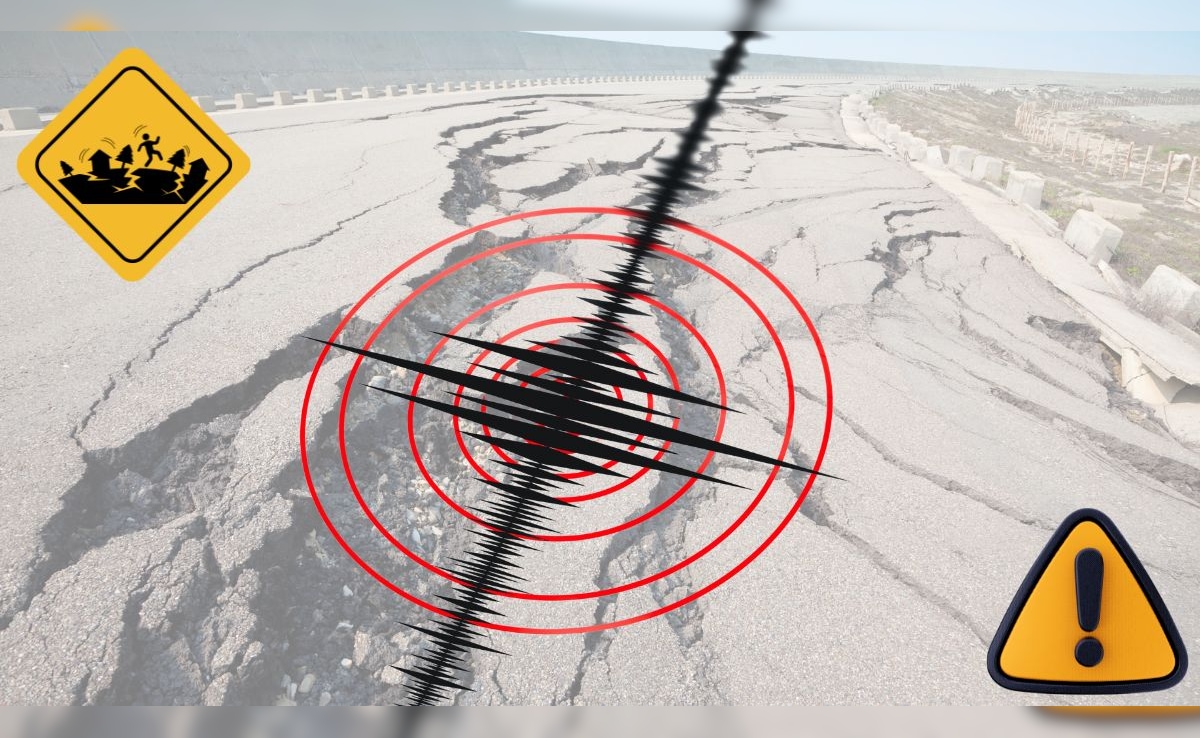
Roads crack. Not just small fissures, but massive, jagged yawns in the asphalt that swallow cars and sever supply lines to rural villages. This is the logistical nightmare that follows the initial shock: how do you get water to a town of ten thousand people when the only road in has been folded like a piece of paper?
The Human Heart at the Epicenter
We often talk about "damage" in terms of yen or infrastructure, but the true damage is the psychological erosion of safety. Imagine being a mother in a coastal town, clutching your child while the walls groan. You have been through drills. You have an emergency bag with dried rice and a hand-crank flashlight. But in the dark, as the house screams around you, the drills feel like a thin shield against a very large god.
The 7.4 magnitude is a threshold. It is the point where "shaking" becomes "destruction." At this level, older wooden homes—those beautiful, tile-roofed structures that define the Japanese countryside—often fail. The heavy tiles, meant to withstand typhoons, become a liability during an earthquake, crushing the support beams beneath their weight.
The cost of a 7.4 is measured in the days that follow. It is the smell of ruptured sewage lines and the dusty, chalky air of fallen drywall. It is the sight of neighbors standing in line at a communal water truck, holding plastic jerrycans, their faces a mask of exhaustion and practiced stoicism.
The Invisible Shield
Why does Japan survive these events while other regions suffer total collapse at lower magnitudes? It is a culture of obsession. It is found in the building codes that are updated every few years, requiring every new structure to be a fortress. It is found in the "Tsunami Stones" left by ancestors centuries ago, carved with warnings: Do not build your homes below this point.
But even the best armor has seams.
A 7.4 quake in a mountainous region like Niigata or Ishikawa triggers landslides that can bury entire hamlets in seconds. The soil, saturated by seasonal rains, simply loses its grip on the bedrock and flows like liquid. There is no warning for a landslide. Just a roar, and then a new, terrifying landscape where a forest used to be.
The Rattle That Never Truly Stops
As the tremors subside and the aftershocks—those cruel reminders that the earth is still settling—begin to taper off, the work of recovery begins. It is a slow, expensive process of stitching a society back together.
We look at the 7.4 and see a headline. The people on the ground see a lifetime of rebuilding. They see the crack in the foundation of the family home that has stood for three generations. They see the shuttered shop that can’t afford the repairs.
The earth eventually goes quiet. The ceramic plates are put back on the shelves, perhaps a little further from the edge this time. The bullet trains resume their high-speed glide across the countryside. But the rattle stays in the mind. It is a reminder that we live on a crust that is floating, shifting, and entirely indifferent to the cities we build upon it.
The next time the plates slip, the kitchen will speak first. And Japan will be listening.