Yiannis's right wrist has a permanent, slight stiffness to it. It is the professional mark of a man who has spent thirty-four years twisting the throttle of a delivery scooter through the labyrinthine, sun-bleached alleys of Athens. When the summer heat hits the concrete, radiating upward like an open oven, that stiffness turns into a dull ache. But Yiannis does not stop. He cannot. Every turn of that throttle represents a fraction of a euro cent earned, and every euro cent is currently locked in a brutal wrestling match with the cost of living.
Lately, that match has felt rigged.
For months, the numbers flickering on the digital displays of Greece’s petrol stations have felt less like prices and more like a fever dream. To the tourist renting a convertible to cruise the cliffs of Santorini, a high fuel bill is an annoyance—a slight tax on paradise. But to the people who keep the country moving, the delivery drivers, the local fishermen, the small-scale farmers in Thessaly, and the commuters fighting the morning rush on the Kifisios Avenue, those numbers are a suffocating weight.
Then came the announcement.
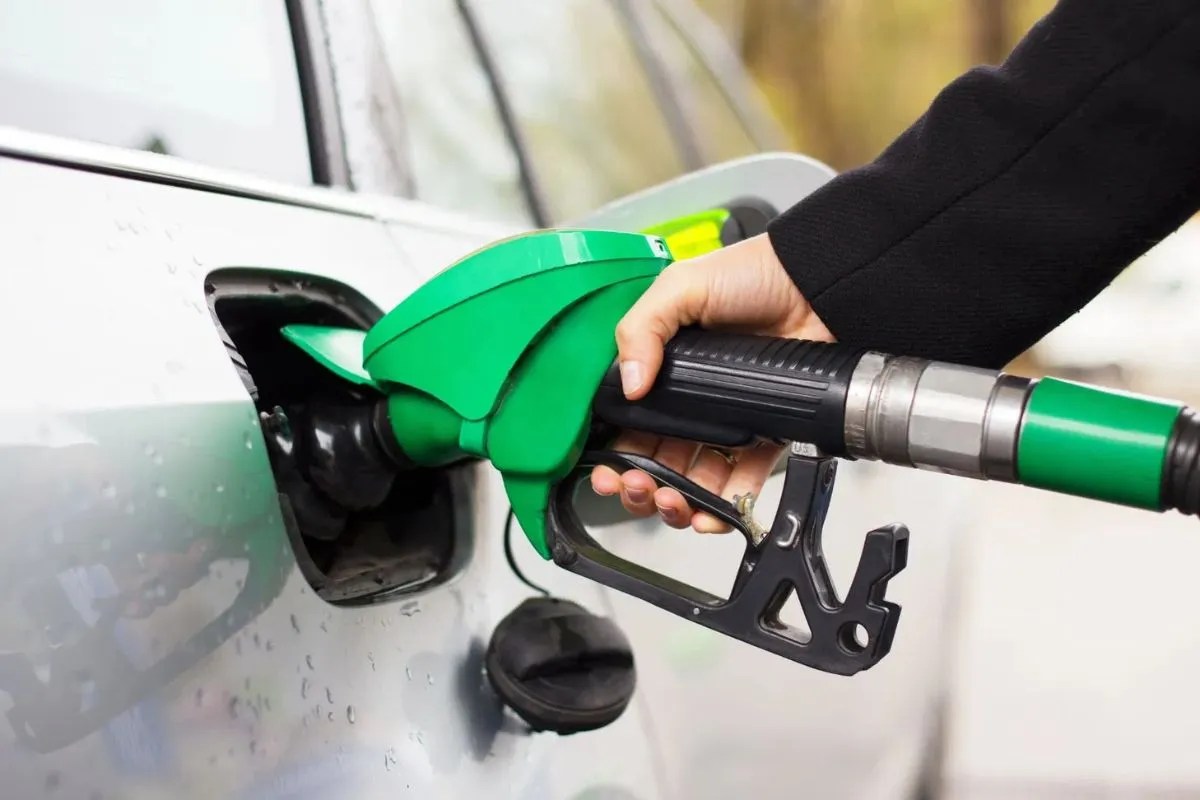
The Greek government stepped to the microphone to declare a direct intervention in the energy market. Petrol will drop by 10 cents per liter. Diesel will ease by 5 cents per liter.
To a distant observer reading a financial ticker, these numbers seem minuscule. Ten cents? Five cents? It sounds like loose change rattling in the bottom of a cup. But look closer at the machinery of a household budget. Consider what happens next when those fractions of a euro are multiplied across millions of tankfuls, day after day, week after week. It is not just about cheaper fuel. It is about a sudden, collective intake of breath.
The Calculus of the Commute
To understand why a dime matters so much, you have to look at how tightly wound the average Greek household budget has become. The European energy landscape has been a turbulent sea for the past few years. Inflation did not just knock on the door; it kicked it down and moved into the spare bedroom.
When fuel prices spike, they trigger a domino effect that reaches far beyond the gas station pump. The cost of transporting tomatoes from a farm in Crete to a market stall in Athens goes up. The cost of running the ferry boats that connect the islands goes up. The electricity grid, still tied to global energy fluctuations, pinches the consumer tighter.
Let us break down a hypothetical but entirely accurate reality for a family living in the northern suburbs of Athens, commuting to the city center.
- The Daily Commute: 40 kilometers round trip.
- Weekly Consumption: Roughly 35 liters of petrol.
- The Direct Saving: At 10 cents less per liter, that is 3.50 euros saved every single week on a single vehicle.
On paper, three euros and fifty cents buys you a Freddo Espresso at a local café. It seems trivial. But economics is rarely about a single transaction; it is about momentum. That saving covers a loaf of fresh sourdough bread and a liter of milk. Over a month, it frees up enough capital to offset the rising cost of a child’s school supplies or a utility bill.
The relief on diesel, though smaller at 5 cents per liter, hits a different, deeply vital nerve. Diesel is the lifeblood of logistics. It powers the trucks that restock the supermarkets and the tractors that till the soil. By easing the pressure on diesel, the government is attempting to throw a blanket over the spark of food inflation before it catches fire again.
The Invisible Stakes of the Open Road
There is a psychological toll to persistent economic pressure that economic data sheets completely fail to capture. It is the low-level anxiety that sits in the passenger seat every time you turn the ignition key. You find yourself calculating routes not by the fastest time, but by the fewest traffic lights. You coast down hills. You turn off the air conditioning even when the thermometer hits forty degrees Celsius, preferring the hot, rushing wind to the extra strain on the engine.
When prices drop, even incrementally, that mental fog begins to lift.
The decision by the Greek administration is a recognition of this psychological reality. It is an admission that a society cannot function at its best when its citizens view the simple act of driving to work as a financial hazard.
But a vital question remains hanging over the sun-drenched plazas: how long can this buffer last? Government interventions are, by their very nature, a temporary dam against a global tide. Greece does not dictate the price of crude oil on the international markets. It cannot control geopolitical tensions in the Middle East or production caps decided in boardroom meetings thousands of miles away.
What it can do, and what it has chosen to do, is build a localized firewall. It is a calculated gamble that by sacrificing a portion of tax revenue now, the state can prevent a wider slowdown in consumer spending. If people have a little more breathing room at the pump, they are more likely to spend money at the bakery, the taverna, and the local clothing store.
A View From the Pump
Watch the interactions at a petrol station on the outskirts of Piraeus. A young woman in a faded corporate uniform pulls up in a hatchback. She doesn't say "fill it up." She rarely does. She asks for twenty euros' worth—a precise, rationed amount designed to get her through the next three days.
The attendant hooks up the nozzle. The numbers on the pump screen begin their rapid, dizzying dance.
This time, however, the spinning wheels of the meter slow down just a bit later than they did last week. The volume of fuel delivered is slightly higher for the exact same banknotes handed over across the console. The woman notices. There is a brief, almost imperceptible softening of her shoulders as she takes her receipt.
It is a tiny victory, a momentary truce in the ongoing war against the rising cost of living.
Tomorrow, the global markets might shift again. The geopolitical winds might blow colder, and the numbers on the digital billboards might resume their upward climb. The future of energy remains an unpredictable, volatile frontier. But for tonight, as the sun dips below the horizon, painting the Aegean Sea in shades of deep violet and gold, Yiannis can twist his throttle with a fraction less worry, and a few extra cents stay exactly where they belong—in the pockets of the people who build the country from the pavement up.