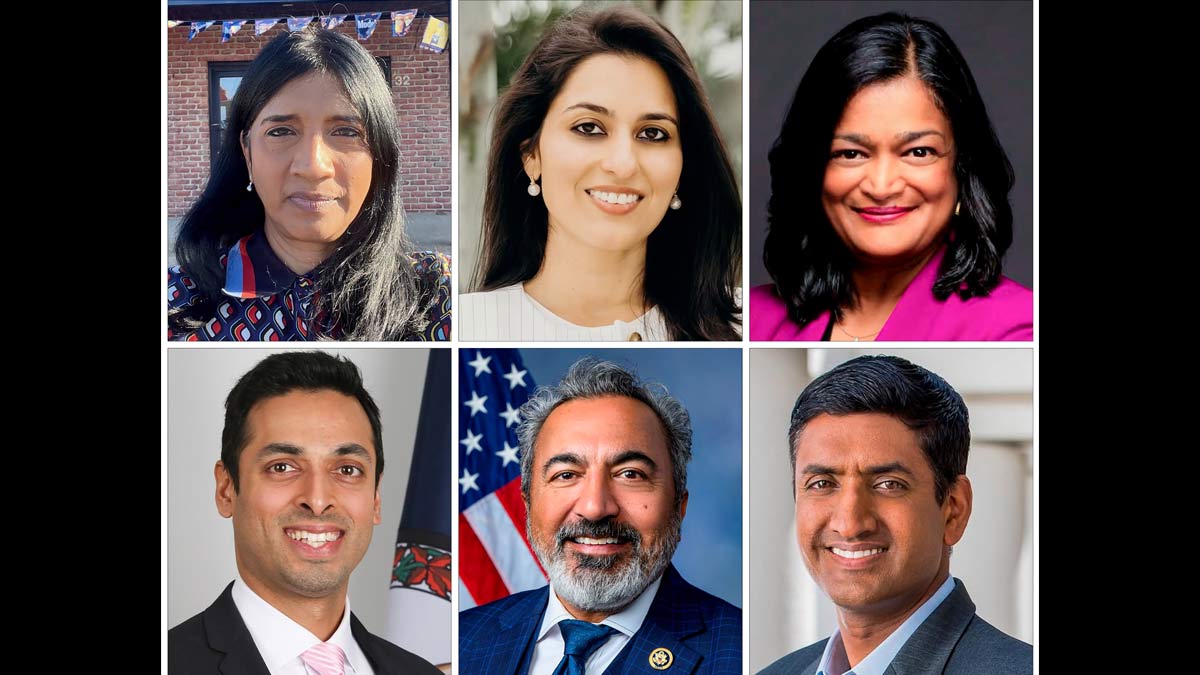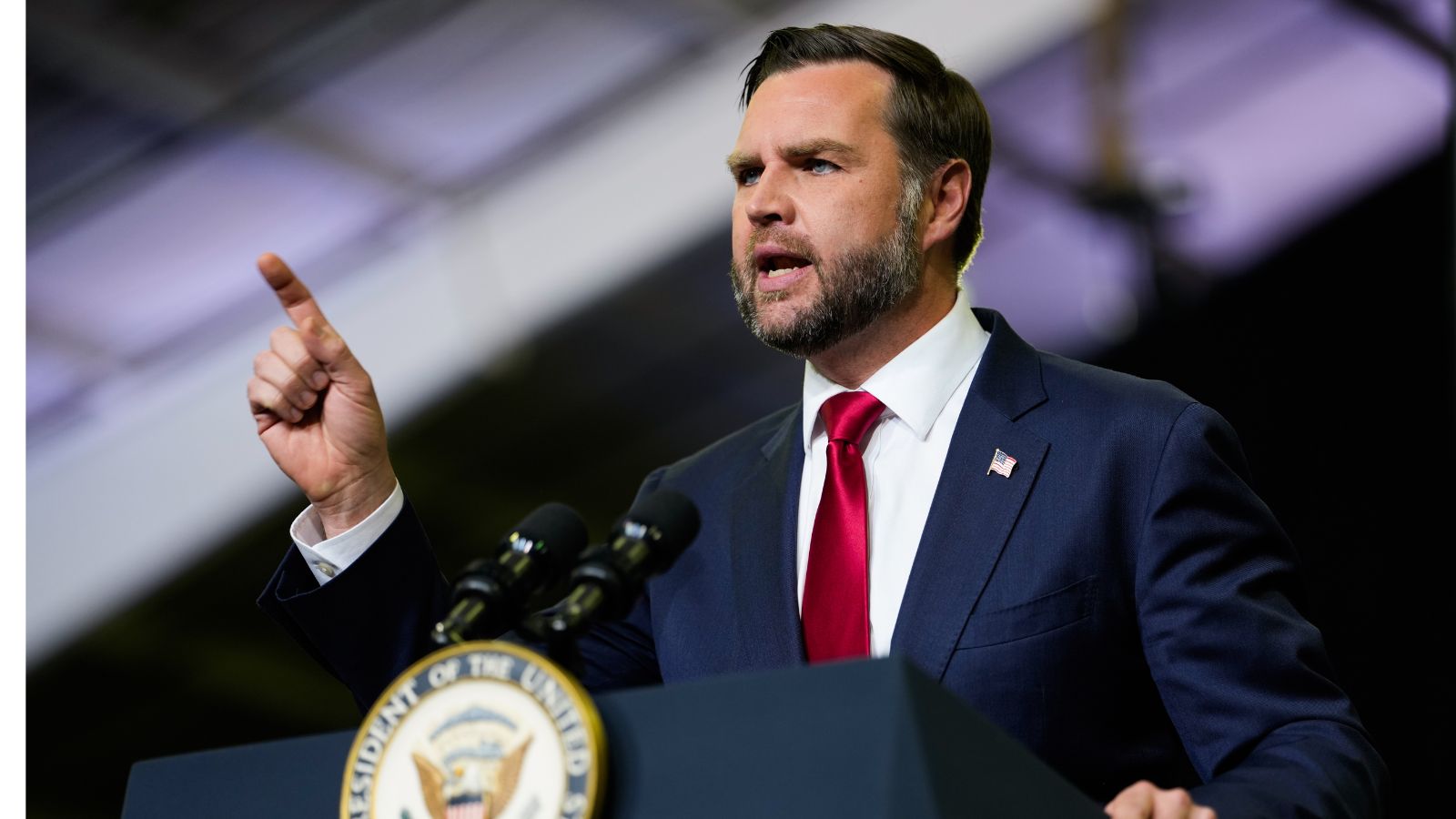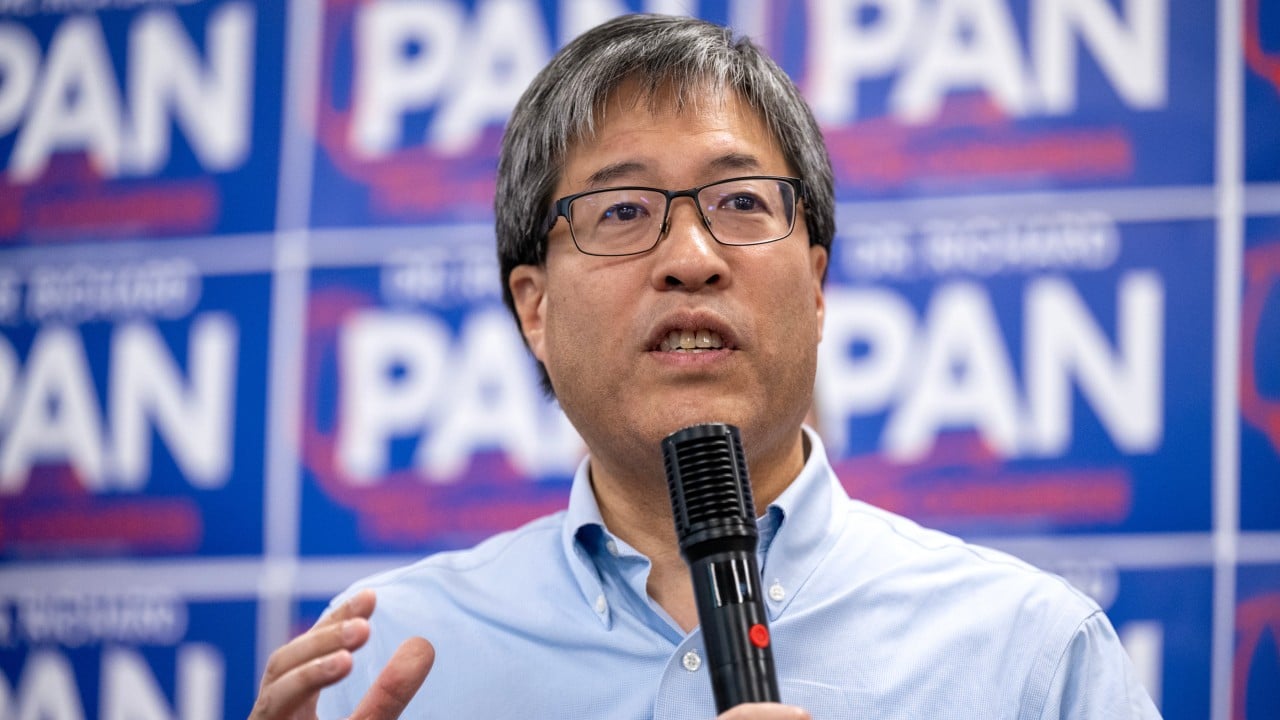
Every two years, Washington breaks out the confetti for a new demographic milestone. This cycle, the press release machine is working overtime to celebrate a record number of lawmakers of Chinese descent taking their oaths on Capitol Hill.
Pundits call it a triumph of representation. Advocacy groups treat it like a finish line. In other news, take a look at: The Quiet Tide That Broke the Red Wave.
They are wrong. Counting faces in the chamber is the laziest metric in modern political analysis, and celebrating this particular record obscures a much harder, more uncomfortable reality about how power actually operates in Washington.
The Illusion of Descriptive Representation
Political scientists have spent decades distinguishing between two concepts that mainstream media routinely conflate: descriptive representation and substantive representation. The Guardian has provided coverage on this fascinating issue in great detail.
Descriptive representation means a lawmaker looks like you, shares your surname, or traces their ancestry to the same region. Substantive representation means that lawmaker actually advances your material interests, protects your civil liberties, and wields real institutional clout on your behalf.
I have spent fifteen years watching advocacy coalitions burn millions of dollars on donor galas and voter turnout drives solely to put a specific demographic profile into a safe seat. Once the swearing-in photos are taken, those same coalitions are shocked when their chosen champions vote in lockstep with party leadership on bills that actively harm their communities—or worse, remain completely sidelined from the committees where actual legislation is written.
When you treat heritage as a proxy for political alignment, you fall for a trap that seasoned Capitol Hill operators exploit daily. A lawmaker of Chinese descent representing a suburban district in California faces entirely different donor pressures, primary threats, and constituent demands than one representing a district in the Midwest or the Northeast. Grouping them together under a single celebratory headline flattens distinct political ideologies, generational divides, and socioeconomic realities into a meaningless PR talking point.
The Loyalty Trap Nobody Wants to Discuss
Let us address the elephant in the hearing room. Being a lawmaker of Chinese heritage in the current geopolitical climate is not an unalloyed victory lap. It is a professional minefield.
As bipartisan hawkishness toward Beijing has hardened into the default consensus on Capitol Hill, lawmakers of Chinese descent face an unspoken, relentless loyalty test. To prove their institutional bona fides and avoid the toxic smear of foreign influence, many feel acute pressure to overcompensate.
Consider how this plays out in committee rooms. When legislation targeting Chinese researchers, restricting land ownership, or reviving aggressive counter-espionage initiatives hits the floor, lawmakers of Chinese ancestry are frequently forced into a defensive crouch. If they push back against overly broad national security bills that risk racial profiling—similar to the fallout from the Department of Justice's defunct China Initiative—they risk primary challenges funded by hawkish super PACs. If they vote in favor of those bills to protect their flanks, they alienate the very civil rights organizations that celebrated their election.
Meanwhile, the broader political establishment gets to point to the diversity of the congressional roster as proof that the system is inclusive, even while advancing policies that subject Asian American scientists, academics, and business owners to heightened scrutiny. Representation, in this context, becomes a convenient shield against criticism rather than a lever for systemic change.
How Many Lawmakers of Chinese Descent Actually Serve in Congress?
If you search for the exact headcount, you immediately run into a classification problem that exposes how superficial these milestones really are.
Depending on how advocacy trackers define the cohort—whether they count only members with two parents of Chinese heritage, include multiracial lawmakers, count Taiwanese Americans separately, or include non-voting delegates from U.S. territories—the number fluctuates. Across the House and Senate, lawmakers of Chinese or Taiwanese descent still account for roughly one to two percent of the 535 voting members, even after hitting a historic high.
Compare that to the broader Asian American and Pacific Islander population, which is the fastest-growing racial demographic in the United States. Calling a handful of seats a watershed moment requires grading Congress on a massive curve.
More importantly, the headcount tells you nothing about seniority or committee jurisdiction. In the House of Representatives, power does not belong to freshman backbenchers holding press conferences on the Capitol steps. Power belongs to the chairs and ranking members of the "A" committees:
- Appropriations: Controls the federal purse strings and decides which community programs live or die.
- Ways and Means: Writes the tax code and governs international trade tariffs.
- Energy and Commerce: Regulates healthcare, telecommunications, and technology.
- Armed Services and Foreign Affairs: Shapes defense spending and diplomatic posture.
Until a bloc of lawmakers holds gavels on these specific panels, a "record number" of seats translates to minimal legislative leverage.
The Myth of the Monolithic Voting Bloc
Mainstream coverage loves to imply that a rise in lawmakers of Chinese descent reflects a unified political awakening among Chinese American voters. The data tells a far messier story.
Research from organizations like AAPI Data and the Pew Research Center consistently demonstrates that Chinese Americans are deeply fractured along generational, linguistic, and socioeconomic lines. First-generation immigrants who arrived from mainland China in the 1990s and 2000s often hold sharply different views on affirmative action, public education, crime, and foreign policy than fourth-generation Chinese Americans whose families helped build the transcontinental railroad, or immigrants from Taiwan and Hong Kong.
In recent election cycles, cities with massive Chinese American populations—including New York, San Francisco, and Los Angeles—witnessed fierce local political rebellions. Voters recalled school board members, ousted progressive prosecutors, and swung heavily toward law-and-order or fiscally conservative candidates, even when those candidates did not share their ethnic background.
Imagine a scenario where a national advocacy group pours resources into electing a candidate solely based on shared ancestry, ignoring that the candidate backs policies on gifted-and-talented school admissions or small business taxation that the local immigrant community overwhelmingly rejects. When election day arrives, those voters cross party lines or stay home. Identity does not override pocketbook issues, public safety, or educational opportunity. Treating Chinese Americans as a predictable voting bloc is a guaranteed way to misread the electorate.
Why Safe Seats Breed Political Irrelevance
Look closely at the congressional map where these historic wins are occurring. Almost without exception, lawmakers of Chinese descent are elected from deep-blue, heavily gerrymandered urban and suburban districts in California, New York, New Jersey, and Illinois.
While winning these seats requires surviving brutal Democratic primaries, the general elections are largely uncompetitive. That dynamic creates a structural blind spot in Washington.
Party leadership takes safe seats for granted. When House leaders negotiate must-pass spending bills, tax packages, or national security legislation, they do not bend over backward to appease members from districts that will vote blue regardless of the outcome. Instead, leadership buys the votes of vulnerable moderates in swing districts—places like rural Pennsylvania, suburban Arizona, or upstate New York—by funneling federal grants, infrastructure money, and policy concessions their way.
True political clout comes from marginal utility, not safe-seat comfort. Until candidates of Chinese heritage are competing—and winning—in genuine battleground districts across both parties, neither Democrats nor Republicans will feel compelled to treat their policy priorities as existential necessities.
The Downside of Abandoning Identity Metrics Entirely
To be fair, dismissing descriptive representation completely has its own hazards. Visibility matters. Having lawmakers in the room who instinctively understand the cultural nuances of Lunar New Year, language access barriers for elderly immigrants, or the historical weight of the 1882 Chinese Exclusion Act prevents casual erasure. When hate crimes surged during the pandemic, having members like Grace Meng and Judy Chu inside the building ensured that legislative responses were not quietly buried in committee.
But visibility is the floor, not the ceiling. When community leaders treat the election of a few more familiar faces as the ultimate metric of success, they let the political establishment off the hook for everything else.
Stop Counting Faces and Start Tracking Leverage
If voters, donors, and community organizers want actual results rather than symbolic headlines, they need to overhaul how they evaluate political progress. Stop celebrating demographic trivia and start auditing institutional power.
- Demand Committee Transparency: Track which subcommittees lawmakers sit on, not just their floor speeches. Push leadership to place diverse members on Ways and Means, Appropriations, and Intelligence, rather than relegating them to lower-tier administrative panels.
- Audit the Legislative Scorecards: Evaluate lawmakers based on bill markups, amendments attached to must-pass legislation, and federal dollars secured for district infrastructure—not how many cultural resolutions they co-sponsor.
- Invest in Swing Districts and State Legislatures: Stop pouring 90 percent of political donations into safe congressional primaries. Build farm teams in statehouses, city councils, and competitive suburban districts where a five-percent shift in turnout actually decides who controls the gavel.
- Separate Heritage from Policy: Hold lawmakers of Chinese descent to the exact same ideological and performance standards as any other politician. Reward competence and constituent service; punish inaction and blind party loyalty.
Washington loves a feel-good diversity headline because symbols are cheap and power is expensive. The moment you stop clapping for the headcount and start demanding the gavel is the moment real influence begins.