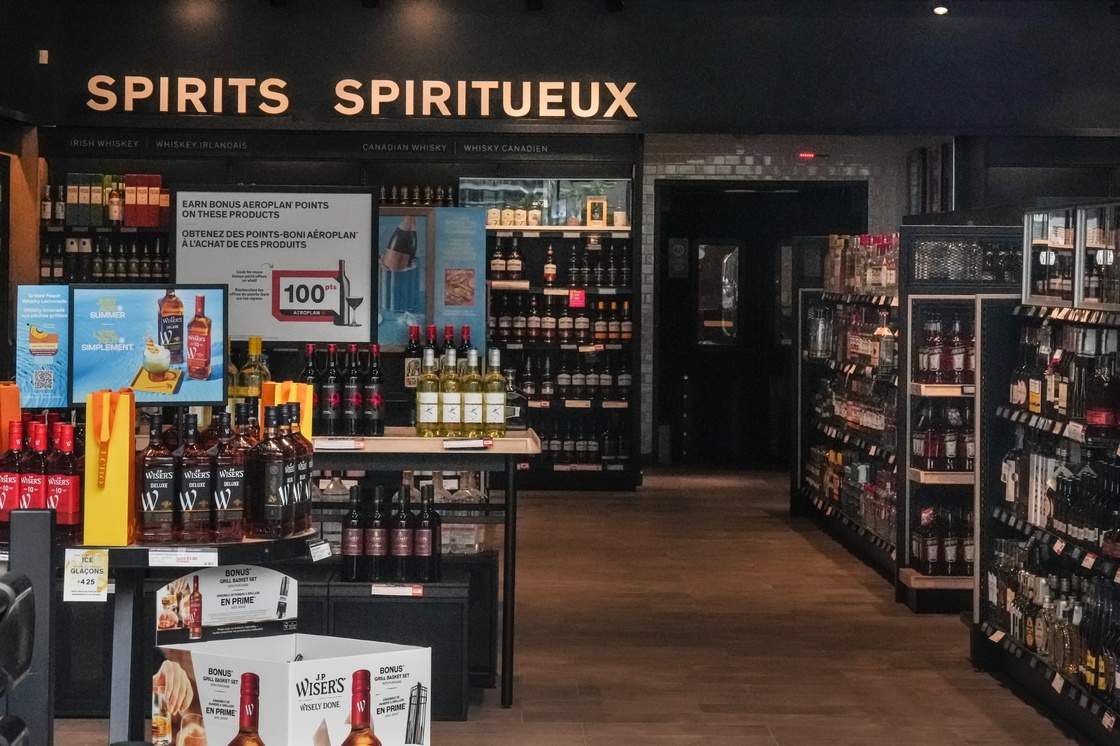
The headlines love a good underdog story. The current narrative floating around newsrooms paints a romanticized picture of patriotic Canadians proudly turning their backs on American liquor shelves, choosing local craft distilleries out of sheer national pride. Survey data gets pared down into soundbites about sovereignty, consumer defiance, and a united front against political threats from south of the border.
It makes for a great flag-waving morning read. It is also fundamentally backward.
I have spent years watching trade policy play out across boardroom tables and warehouse floors. I have seen companies blow millions trying to artificially prop up localized supply chains that cannot handle scale, all while consumers pay the price for misplaced sentimentality.
Rejecting foreign spirits in a fit of geopolitical pique is not a stand for independence. It is an expensive, inefficient tax on your own palate and your own wallet.
The Myth of the Local Craft Savior
Let us clear up the core misconception right away. Craft protectionism relies on a romanticized fallacy: that smaller is inherently better, and that geographic proximity equals superior quality.
Economists call this home-market bias, and it is a wealth destroyer.
When a survey tells you that consumers are shunning U.S. booze, it is measuring a temporary emotional spike, not a sustainable market shift. Mass-market spirits from Kentucky, Tennessee, or California achieve their market share through centuries of refined distillation science, massive economies of scale, and consistency that a five-person operation in a converted industrial park simply cannot replicate on a Tuesday.
To assume a local micro-distillery can instantly backfill the massive volume, price points, and flavor profiles of established international brands is economic illiteracy.
The Real Cost of Protectionist Buying Habits
Imagine a scenario where every consumer across the provinces successfully boycotts every bottle crossing the 49th parallel. What actually happens?
Prices skyrocket. Shelf diversity plummets.
When you choke off import competition, local producers lose the incentive to innovate. Why spend capital optimizing your mash bill or improving yeast strains when a captive, flag-waving audience will buy your subpar rye just because it was bottled within a two-hour drive?
Protectionism breeds complacency. International competition forces everyone to get better. By cheering for the rejection of foreign goods, you are essentially voting for higher prices for lower-grade products under the guise of patriotism.
Dismantling the Survey Data
The numbers driving these recent surveys need a heavy dose of reality. Polling data captures what people want to feel when a pollster calls them on a Tuesday afternoon. It rarely matches what they actually do when standing in a retail store on a Friday night staring at price tags.
When push comes to shove, price elasticity always wins. Consumers care about value, taste profile, and reliability. The moment a local craft alternative costs double and tastes like burnt wood and ambition, the patriotic fervor evaporates.
We saw this playbook during previous trade spats. Consumers make noise, politicians nod approvingly, and six months later, import volume stabilizes because people prefer drinking what they actually like rather than what makes a good social media post.
The Uncomfortable Truth About Global Supply Chains
Let us address the elephant in the room: modern alcohol production is a global enterprise.
Glass bottles come from one country. Grain comes from another. Distillation equipment is manufactured somewhere else entirely. The idea of a purely domestic, self-sustaining alcohol sector is a marketing fantasy spun up by lifestyle brands trying to charge fifty dollars for a clear bottle of grain alcohol.
Fighting this reality hurts domestic hospitality businesses, too. Bars and restaurants operate on razor-thin margins. Forcing them to curate menus based on political boundaries rather than guest demand or profit margins is a great way to drive independent venues out of business.
Stop buying the narrative that consumer boycotts of foreign goods are a form of economic warfare. They are a tax paid by the citizens who think they are winning.
Drink what tastes good. Demand better products from everyone, regardless of zip code.
Leave the flag-waving to the politicians. They are the only ones profiting from the hangover.