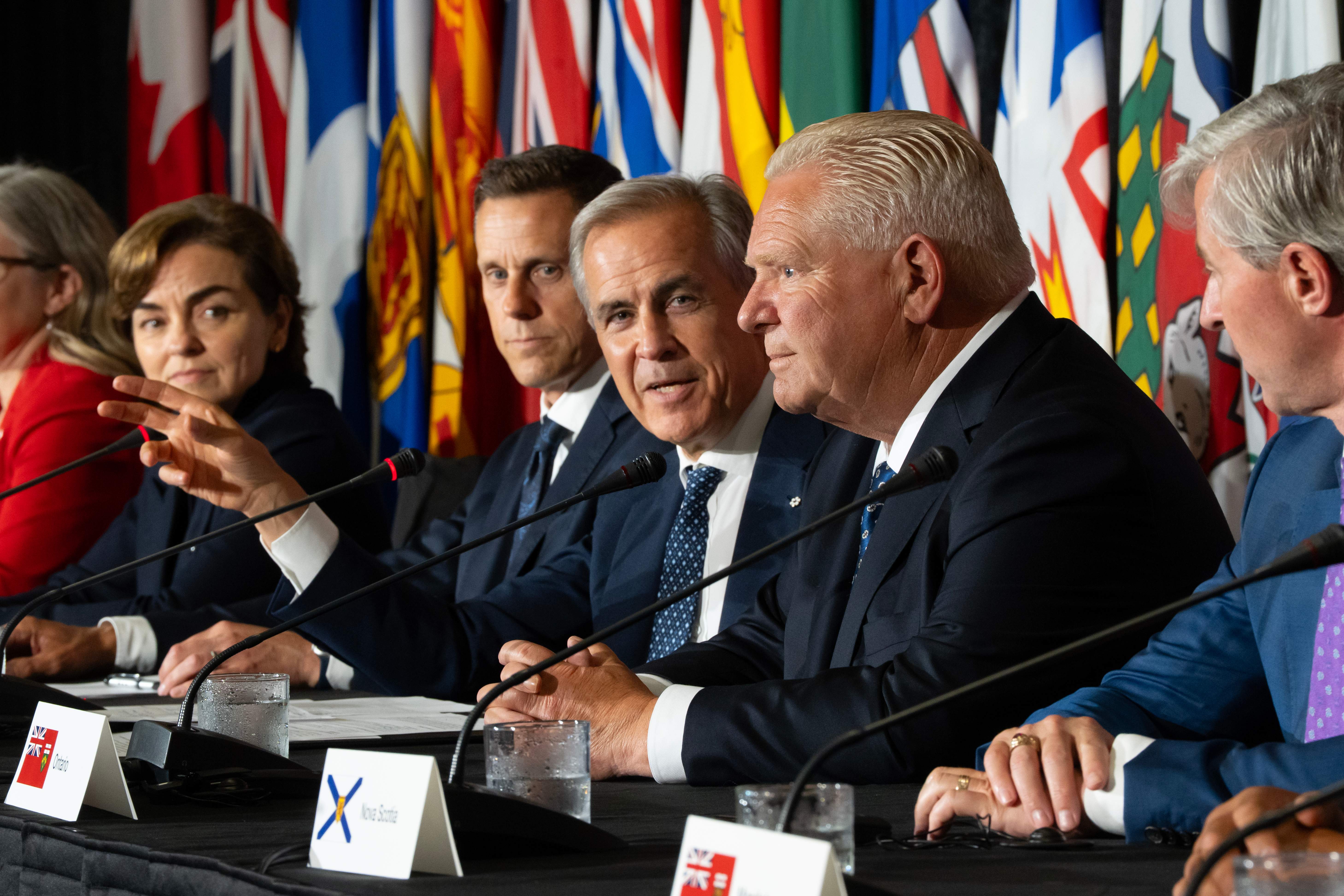
You are looking at a complete rewrite of the economic playbook between Ottawa and Washington. When Prime Minister Mark Carney walked away from the negotiating table after the Trump administration dropped last-minute demands on autos, cultural protections, and sovereignty, he didn't just torpedo a bad deal. He drew a hard line. Provincial leaders coast to coast, from Ontario's Doug Ford to Saskatchewan's Scott Moe, immediately rallied behind the decision.
That rare political alignment tells you everything you need to know about the current crisis. For years, regional divisions usually fractured Canada's response to American trade threats. Not this time.
Why the Deal Fell Apart
The breakdown happened because Washington tried to shift the goalposts at the eleventh hour. After grueling days of talks in Washington led by trade representatives, Canadian officials were staring down a 50 percent U.S. tariff on roughly twenty billion dollars worth of exports.
Carney laid out the specifics plainly. The American side wanted to alter the scope of tariffs on auto content, restrict Canada's freedom to pursue independent trade pacts globally, and undermine domestic rules protecting language and culture. In plain English, it was an attempt to lock Canada into an unequal partnership where sovereignty took a back seat.
Carney pulled the plug because accepting those terms meant trading short-term relief for long-term economic subordination.
The Provincial Front
Premiers who normally bicker endlessly with Ottawa suddenly spoke with one voice. Ontario Premier Doug Ford, whose manufacturing and steel sectors face immediate turbulence, didn't mince words. He praised Carney for standing up against a bad deal, noting that the province heard loud and clear from local industries that the updated U.S. terms were completely unviable.
Saskatchewan's Scott Moe echoed the sentiment, pointing out that the old status quo is dead and gone. When leaders representing resource-heavy western provinces and manufacturing-heavy eastern provinces agree that a trade partner is asking too much, the political consensus becomes ironclad.
They know the economic pain coming down the pipe is real. Factories will feel the squeeze. Supply chains will stutter. Yet the collective realization across provincial legislatures is simple: signing a flawed agreement under duress only invites harsher demands tomorrow.
The Cost of Retaliation
Canada isn't taking this sitting down. Ottawa vowed to match the new American duties dollar for dollar starting September 8, targeting key U.S. sectors like steel, dairy, electronics, appliances, and agricultural machinery.
Carney has been honest with Canadians about the fallout. Retaliatory tariffs will raise costs and limit choices at home. Inflationary pressures will hit household budgets. Small exporters heavily reliant on cross-border trade are bracing for severe revenue drops.
Yet the alternative was worse. Submitting to economic coercion sets a dangerous precedent.
Life After the Old Status Quo
This trade breakdown marks the permanent end of an era. For generations, Canadian economic strategy relied on frictionless integration with the American market. That safety net is gone.
Carney signaled this structural rupture months ago at Davos, urging the country to build internal resilience and diversify trade relationships worldwide. Canada supplies the vast majority of U.S. crude oil, natural gas, and electricity imports. Leverage exists, but deploying it requires absolute domestic resolve.
The immediate path ahead involves managing retaliatory economic fallout while accelerating commercial ties across other continents. Watch for targeted federal financial support for affected workers in the coming days, alongside aggressive pushes to secure non-U.S. investment streams.
The border is tighter, the rhetoric is harsher, and the illusion of a dependable economic partnership has evaporated. Walking away was the only logical choice left.