Global trade wars don't always start with microchips or electric vehicles. Sometimes, they hit your local grocery shelf or your pet's food bowl first.
China just announced a massive 73.5% preliminary anti-dumping tariff on Canadian pea starch, effective July 1, 2026. If you think pea starch sounds like a minor niche product, think again. It is a vital texturizer, binder, and thickener used in everything from glass noodles and jelly lines to high-grade animal feed and pharmaceutical pills. It is also a massive export business for Western Canada's growing plant-protein processing sector.
Beijing's Ministry of Commerce claims Canadian exporters are dumping pea starch into the Chinese market at artificially low prices, inflicting severe material injury on domestic producers. This decision requires Chinese importers to cough up a hefty 73.5% security deposit at customs starting immediately.
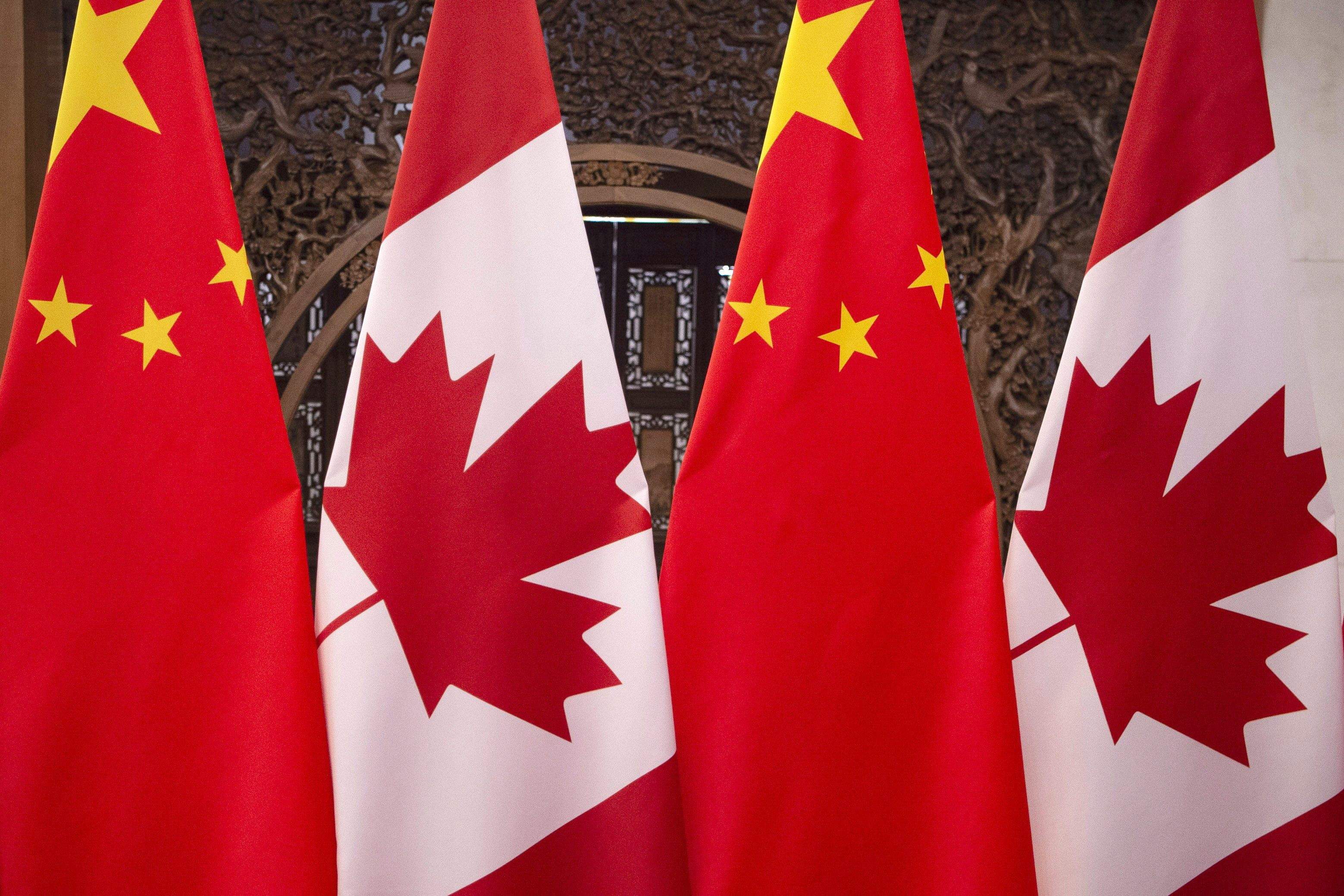
This move exposes a harsh reality. The celebrated trade truce between Ottawa and Beijing is incredibly fragile. It shows that despite high-profile political handshakes, the underlying economic friction between the two nations is far from resolved.
The Pea Starch Dispute is a Political Retaliation Tactics
We need to look past the official bureaucratic language. This isn't just a routine regulatory action based on neutral mathematical formulas. The timing tells the real story.
China launched this specific investigation back in August 2025. It happened on the exact same day Beijing slapped a punishing 75.8% preliminary anti-dumping duty on Canadian canola seed. Both investigations came right after Ottawa matching Washington’s aggressive stance by imposing a 100% import tariff on Chinese electric vehicles, solar panels, and critical minerals.
Trade officials in Beijing use agricultural products as targeted economic weapons. They know that hitting Canadian farmers and crop processors creates immediate, intense domestic political pressure on the government in Ottawa.
While Prime Minister Mark Carney managed to negotiate a temporary easing of tensions during his high-stakes visit to Beijing in January, this new tariff proves that China keeps its economic levers ready. The Chinese government is willing to pull them the moment Canada pushes back on other fronts, like the ongoing investigation into imported Chinese steel racks.
Inside the Fragile Carney-Xi Trade Deal
To understand how we ended up here, look at what happened earlier this year. When Mark Carney took over the Liberal leadership and visited President Xi Jinping in Beijing, the meeting was hailed by state media as a major turning point. The goal was to defuse a toxic trade relationship that had been simmering since 2018.
Ottawa desperately needed relief for its agricultural sector. China had choked off billions of dollars in trade by shutting its borders or piling duties on Canadian beef, pork, lobster, and canola.
The two leaders struck a quiet bargain. China agreed to slash the anti-dumping duties on Canadian canola seed and temporarily suspend separate trade penalties on Canadian canola meal, peas, and seafood through the end of 2026.
In return, the Canadian government blinked on its absolute EV ban. Ottawa agreed to allow up to 49,000 Chinese electric vehicles into the Canadian market under a low tariff quota system. Chinese automakers like Geely immediately began preparing to ship their first batches of Lotus EVs across the Pacific.
Many crop processors thought they were safe after that deal. They assumed the pea starch probe would quietly fade away as relations warmed. This week's announcement shattered that optimism. It shows that Beijing views the January deal as a very narrow agreement, not a blank check for Canadian trade.
The Domestic Fallout and Political Warfare in Canada
The timing of this 73.5% tariff has triggered a massive political firestorm inside Canada. Agriculture groups are furious, and the federal opposition is seizing the moment.
The Conservatives wasted no time tearing into the current administration’s trade strategy. Opposition critics point out that the strategic partnership negotiated in Beijing gave Canadian agri-food exporters a false sense of security. They argue that the government traded away long-term leverage on electric vehicles and manufacturing stability for short-term, incomplete protections for agricultural goods.
The political reality is brutal for the government. Ottawa set an ambitious target to expand total exports to China by 50% by 2030. They also want to double non-U.S. exports globally within the same timeframe.
Piling a 73.5% tariff on a fast-growing, value-added sector like pea processing makes those numbers look like pure fantasy. Canadian processors have invested millions of dollars in domestic facilities to turn raw yellow peas into high-value starch and protein isolates. They did this specifically to capture the booming Asian market. Now, their primary buyer just locked the door.
Why the Steel Rack Clash Sparked the Starch Penalty
International trade behaves like a complex machine where moving one gear alters everything else. The sudden finalization of the pea starch tariff is directly linked to an ongoing industrial fight over structural steel.
The Canadian International Trade Tribunal recently issued a preliminary injury ruling stating that Chinese companies are dumping and subsidizing steel racks into Canada, actively harming local manufacturers. The Canada Border Services Agency is currently on track to release its own preliminary decision regarding punitive duties on Chinese steel by mid-July.
China doesn't wait around to take a punch. By finalizing the pea starch penalty just days after the Canadian steel ruling, Beijing sent a crystal-clear warning to Ottawa. They are signaling that if Canada goes through with new duties on Chinese industrial steel products, the economic pain for Western Canadian agriculture will intensify.
This creates a terrible dilemma for Canadian policymakers. They have to choose which part of the domestic economy to protect. Do you defend Ontario and Quebec steel workers and manufacturers, or do you protect prairie farmers and value-added food processors? Beijing understands this geographic and political division perfectly, and they use it to exploit cracks in Canadian national unity.
How Canadian Processors Can Survive the New Trade Reality
If you are a Canadian agricultural exporter or processor, waiting for a diplomatic breakthrough is a losing strategy. Relying heavily on the Chinese market is no longer viable when tariff rates can double overnight based on political whims.
First, companies must aggressively diversify their export destinations. Massive growth markets for plant-based proteins exist outside of China. Countries across Southeast Asia, including Vietnam, Indonesia, and the Philippines, are rapidly expanding their food processing capabilities. These nations offer a more stable regulatory environment and are eager to secure high-quality Canadian agricultural inputs.
Second, the industry needs to focus on building deep domestic capacity. Instead of exporting raw starches and proteins to be manufactured into final goods overseas, Canadian firms should invest in advanced domestic manufacturing. Turning pea starch into consumer-ready food products, industrial binders, or eco-friendly pet supplies within Canada keeps the value-added profits at home and reduces exposure to international border fights.
Finally, exporters must maximize their utilization of existing free trade agreements. The Comprehensive and Progressive Agreement for Trans-Pacific Partnership gives Canadian businesses preferential tariff access to key markets like Japan, Australia, and Singapore.
The era of easy, predictable trade with China is over. The 73.5% tariff on pea starch is a stark reminder that in the modern global economy, your business can become collateral damage at any moment. Companies that adapt quickly by moving into new markets will survive, while those waiting for things to go back to normal will get crushed.