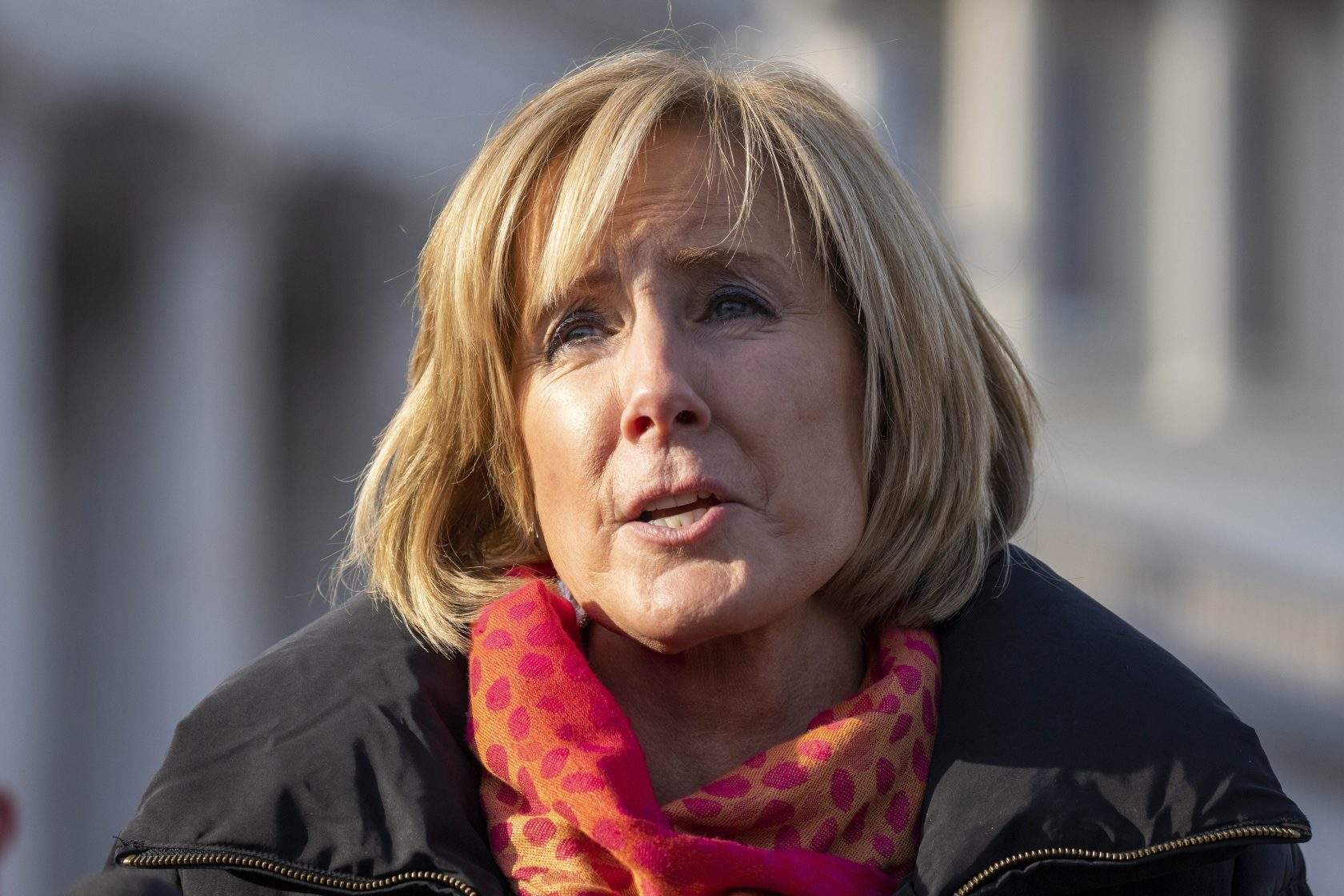
Don't look now, but your liquor cabinet just became the front line of an international trade war. Washington is running out of patience with America's northern neighbor, and the multi-million-dollar standoff over booze is getting nasty. On Monday, New York Republican Congresswoman Claudia Tenney formally introduced a piece of legislation aimed squarely at breaking the Canadian alcohol bans that have left American wine, beer, and spirits gathering dust on borders for well over a year.
It is called the Combating Attacks on our National Alcoholic Drinks by Allies Act—or the CANADA Act, because Washington politicians simply cannot resist a clumsy acronym. The goal is simple. It forces United States Trade Representative Jamieson Greer to launch a fast-tracked investigation into Canadian provincial liquor boards under Section 301 of the Trade Act of 1974. If the probe finds what everyone already knows—that Canada is actively keeping American booze off its shelves—the White House gets a green light to slap Canada with a fresh round of retaliatory tariffs.
This isn't a minor regulatory hiccup. It is an economic bloodbath for American producers who watched their northern market vanish overnight.
How We Got Drunk on a Global Trade War
To understand why Tenney is swinging this legislative hammer, you have to look back at the chaos of early 2025. This entire dispute started when President Donald Trump slapped a 25% tariff on Canadian exports and started cracking jokes about making Canada the 51st state.
Canada didn't take the annexation talk sitting down. Instead of a standard trade response, Canadian premiers went for a highly visible, deeply emotional counter-punch. Eight provincial governments ordered their state-run liquor monopolies to yank American alcohol off the shelves. Manitoba Premier Wab Kinew even signed a theatrical "executive order" to mimic Trump's style while purging American bottles from stores. British Columbia and Ontario followed suit.
It worked. It felt good to local voters angry at Washington. But it completely broke the cross-border booze economy. Wineries in the Willamette Valley of Oregon and the Finger Lakes of New York saw their primary export market entirely evaporated.
The numbers tell a brutal story:
- U.S. wine exports to Canada crashed from $460 million in 2024 down to just $103 million in 2025. That's a staggering 78% drop.
- The Distilled Spirits Council of the United States reported a 63% collapse in spirits exports to Canada over the same timeframe.
- Only Alberta and Saskatchewan have quietly put American booze back on shelves. The economic heavyweights of Ontario and Quebec are still holding out.
The Section 301 Weapon Against Canadian Alcohol Bans
Tenney's bill uses Section 301 because it is the fastest way to turn an administrative complaint into an economic weapon. The legislation gives the trade representative exactly 30 days to investigate the provincial liquor boards.
Critics will say this bill is just political theater from a border-state representative. They're wrong. Trade Representative Jamieson Greer has already signaled that resolving the discriminatory treatment of American alcohol will require aggressive enforcement. The White House wants this tool because it gives them leverage. Right now, the continental trade agreement—known as CUSMA in Canada and USMCA in America—is stuck in a messy renegotiation cycle. Washington refused to renew the pact last week, triggering a rolling annual review process that could drag on for a decade.
Canadian politicians are explicitly using the Canadian alcohol bans as a bargaining chip. Ontario Premier Doug Ford openly admitted to reporters that he wants a broader trade deal signed before he brings the booze back to Ontario shelves. Tenney’s bill is designed to take that bargaining chip and light it on fire.
Why the Booze Boycott Is Backfiring on Everyone
Holding wine hostage is a terrible way to run foreign policy. The provincial liquor monopolies in Canada are finding out that empty shelves don't just hurt American farmers; they alienate Canadian consumers who are tired of paying inflated prices for alternative imports.
The American alcohol industry isn't a massive, faceless conglomerate. It is made up of independent family wineries, regional craft breweries, and craft distilleries. These businesses operates on thin margins. When a major market like Ontario drops an unannounced ban, it creates an immediate supply glut inside the U.S., driving down prices and hurting domestic revenues.
If the CANADA Act passes, the next steps are highly predictable. The trade office will find that Canada is violating international trade norms. Tariffs will hit Canadian exports, likely targeting goods that hurt specific political regions in Canada.
If you own a business that relies on cross-border logistics, you need to prepare for a rocky autumn. Do not assume the trade agreement renegotiations will smooth this over. Look for alternative supply chains now. If you are a distributor, diversify your portfolio away from single-country reliance. The liquor store standoff is just the opening salvo in a much larger trade conflict that isn't going away anytime soon.