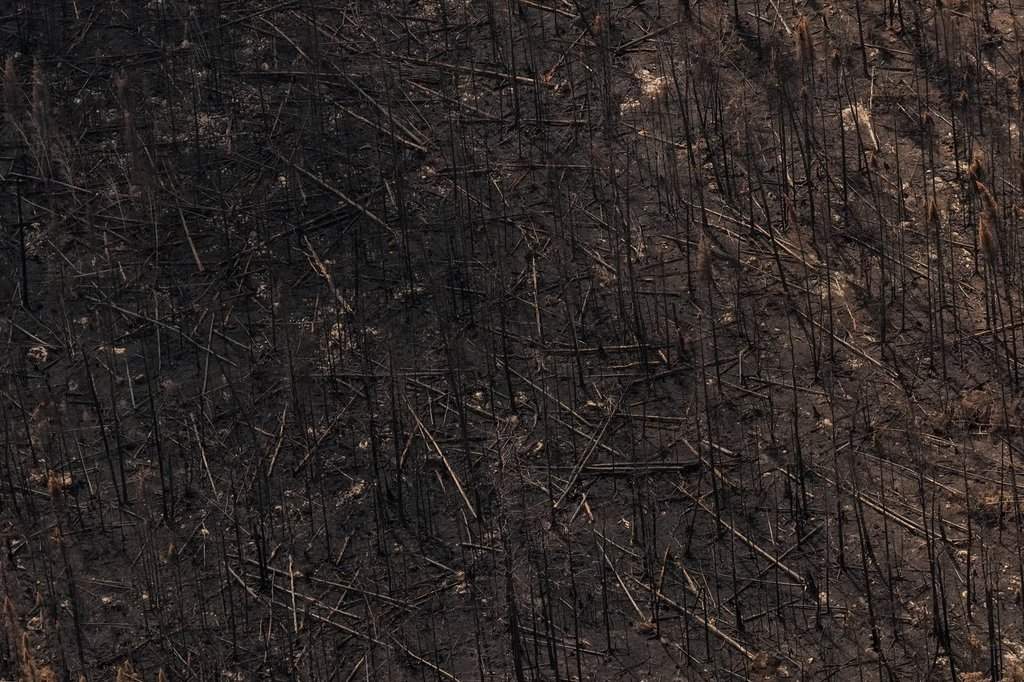
Summer air across large parts of Canada now carries an unmistakable, acrid bite. It is the smell of a changing continent. When intense July blazes tore through the boreal forests of Ontario and the Northwest Territories, they didn't just threaten remote outposts. They rewrote expectations for what a fire season can look like. A comprehensive study released by World Weather Attribution proves that human-caused climate change doubled the likelihood of these extreme fire conditions.
We are living through a fundamental shift. What used to be a once-in-a-generation emergency is turning into a recurring cycle. If you want to understand why firefighting resources are constantly stretched to the breaking point, you have to look past the smoke and examine the raw math of a warming planet.
The Numbers Behind the Smoke
Scientists don't guess about these trends; they measure the atmosphere's mood. By analyzing the Daily Severity Rating—a metric tracking how hard a wildfire is to suppress once it sparks—researchers can isolate the fingerprint of global heating.
Global temperatures sit roughly 1.4 degrees Celsius above pre-industrial levels. That small-sounding shift creates a massive atmospheric sponge, sucking moisture out of pine needles, soil, and peat.
In a world without fossil fuel emissions, the severe fire weather seen in the Northwest Territories this summer would have been a rare anomaly, something expected less than once every forty years. Today? That exact severity window opens up every two to six years. Ontario faces a similar escalation, with dangerous windows now returning every six to fifteen years instead of remaining statistical outliers.
The math is unforgiving. When baseline temperatures rise, minor lightning strikes or stray human sparks don't fizzle out. They detonate.
Why Adaptation Alone Is Failing
Governments love to talk about adaptation. We build better fire breaks, preposition aircraft, and upgrade early warning systems. Fire management agencies across Canada are some of the most skilled on earth. But expertise has a ceiling.
As Theodore Keeping of Imperial College London pointed out, the sheer geographic spread of modern fires exposes the limits of defense. You cannot out-build or out-drop a crisis that spans millions of hectares simultaneously. When every province and territory faces stretched resources, mutual aid agreements start to fray. Ontario and the Northwest Territories are learning this the hard way, logging historic numbers of burned hectares that dwarf decades-old averages.
Relying purely on suppression is like trying to bail out a sinking ship with a thimble while someone keeps drilling holes in the hull.
The Human Cost on the Front Lines
Behind every statistical model lie disrupted communities. Indigenous populations bear a heavy burden when evacuation orders uproot entire villages on short notice. Smoke plumes travel thousands of miles, choking urban centers where people assume they are safe from the flames. Children and older adults spend weeks indoors, staring at red-tinted air quality warnings.
The economic drag is equally brutal. Forestry operations grind to a halt. Tourism takes a hit. Small northern towns face existential threats as infrastructure burns. UN climate chief Simon Stiell put it bluntly: humanity's addiction to coal, oil, and gas is turning vast ecosystems into literal tinderboxes.
Moving Past the Cycle
We can't adapt our way out of a physics problem. Preparing for fire season is essential, but treating symptoms while ignoring the cause guarantees worse summers ahead. Rapidly cutting emissions remains the only long-term defense against a permanently altered boreal landscape. Until emissions drop, every summer will remain a gamble against the wind.