Travel brochures love selling you the romantic side of Cambodia. They show you ancient stone temples wrapped in giant tree roots, orange-robed monks walking through golden mist, and sunset boat rides across massive lakes. They almost never show you what happens when the school bell rings over an expanse of open water.
If you travel to the Tonle Sap lake, you won't find paved roads, yellow school buses, or concrete schoolyards. You'll find wooden buildings bobbing on plastic barrels, tied securely to muddy banks or floating miles offshore. Cambodian children attend school in these floating villages because water dictates every single second of their existence. It's a harsh, beautiful, complicated reality that deserves way more attention than a quick photo op on a tourist boat.
Let's clear something up right away. This isn't just about cute kids smiling for foreign cameras. It's about how an entire society adapts when nature forces your hand.
How life actually works on the water
The Tonle Sap isn't a static puddle. It's Southeast Asia's largest freshwater lake, and it acts like a giant, breathing lung. During the monsoon season, the Mekong River reverses its flow and pushes water backward into the lake, multiplying its surface area by up to five times. Villages that sit on dry dirt stilts for part of the year suddenly find themselves completely surrounded by deep water.
Because the water level swings wildly by up to ten meters annually, nobody builds permanent ground structures here. Everything floats. Houses, grocery stores, churches, basketball courts, and schools rise and fall with the tide.
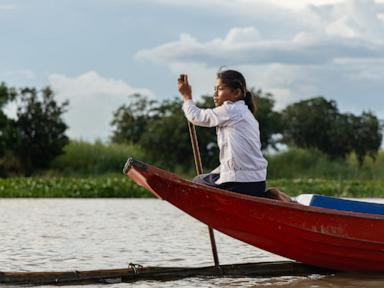
When you watch Cambodian children attend school in these floating villages, you realize how quickly kids learn to adapt. They don't walk to class. They paddle small wooden dugout canoes or pile into long-tail motorboats. A seven-year-old child steering a wooden boat through choppy monsoon waters might terrify an urban parent, but here, it's just Tuesday morning.
I've spent time around these communities, and the sheer logistics of education on the water will blow your mind. Teachers commute by boat just like the kids. Textbooks get ruined by sudden tropical downpours. Fresh water is a luxury. Yet, classrooms buzz with the sound of children reciting math problems and learning Khmer.
The invisible struggles behind the photos
It's easy to look at a snapshot of a floating classroom and think everything is charming. Don't fall for that trap. The reality is tough.
Many of these communities consist of ethnic Vietnamese minorities who lack official Cambodian citizenship. That legal limbo creates massive barriers. Without citizenship, families struggle to access government support, formal jobs, or higher education. Many floating schools rely heavily on non-governmental organizations and charity groups to keep the lights on and buy pencils.
Water quality is another nightmare. The same lake that provides fish for dinner and water for washing is also where waste goes. Sanitation infrastructure basically doesn't exist when your entire village floats. Waterborne diseases pose a constant threat to kids. During the dry season, the water level drops so low that boats get stuck in thick mud, making the daily commute to school nearly impossible and forcing temporary closures.
Education stops when survival demands it. Many families rely on fishing to stay alive. When the fish catch is low, older kids often drop out to help their parents mend nets or process fish instead of sitting at a wooden desk.
What you can do if you want to help
If you ever visit the Tonle Sap—perhaps floating through famous settlements like Chong Khneas or Kampong Phluk—you'll likely be tempted to buy notebooks or sacks of rice to hand out to kids at the floating school.
Stop. Don't do that.
Well-meaning tourists handing out candy, cash, or supplies directly to children often do more harm than good. It encourages kids to skip school to beg by the docks, and it creates a dependent economy. If you genuinely want to support education in these floating communities, take a more sustainable approach.
- Support reputable NGOs: Look up organizations that work directly with local authorities to build sustainable sanitation systems, provide certified teacher training, and supply bulk materials through school directors rather than street handouts.
- Choose ethical tour operators: Book boat tours that actively reinvest a portion of their profits back into community development projects or cooperative education funds.
- Buy local crafts: If you purchase souvenirs, buy them from adult artisans who run legitimate family businesses, keeping money flowing into the local economy responsibly.
Education remains the single best ticket out of generational poverty for these kids. They aren't looking for your pity. They want the same tools any kid anywhere wants: a good teacher, a reliable textbook, and a fair shot at a future that doesn't tie them to a wooden boat for the rest of their lives.