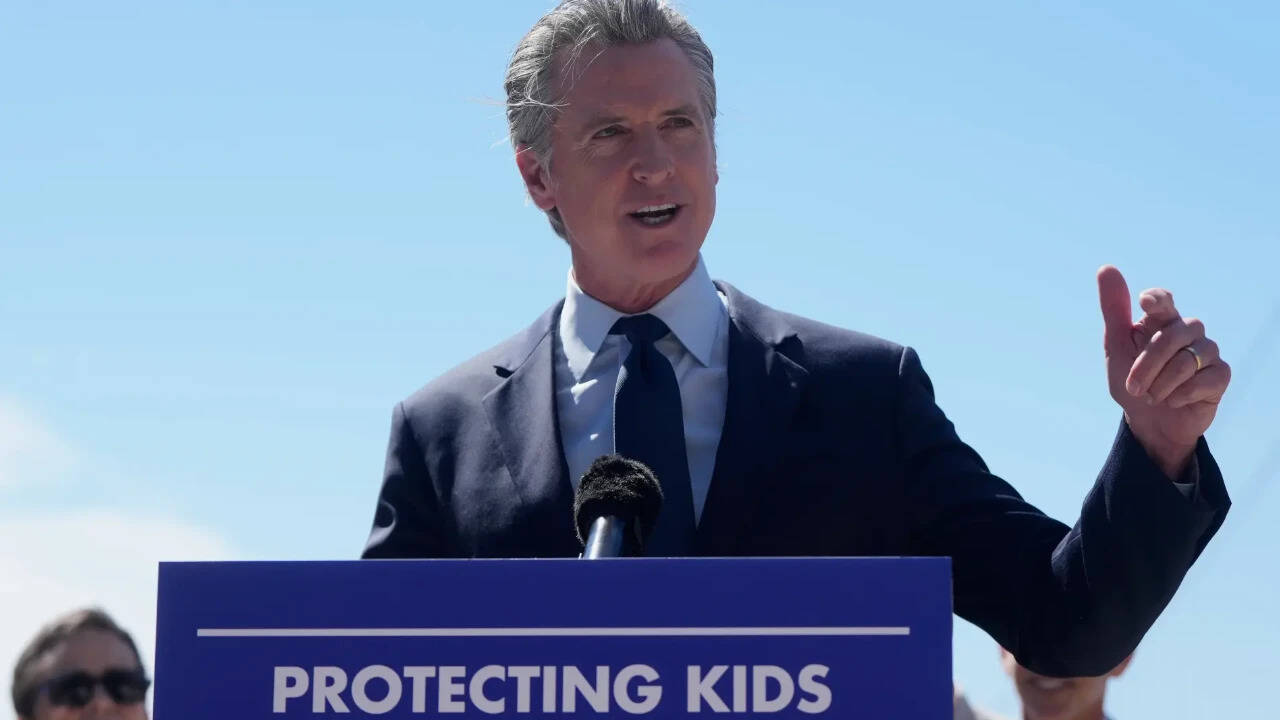
For decades, a shocking legal loophole allowed minors to get married in California. That era is officially ending. Governor Gavin Newsom signed Assembly Bill 1267, making California the 18th state in the country to implement an absolute, zero-exception ban on child marriage.
The new law takes effect on January 1, 2027, setting the minimum age for marriage and domestic partnerships at 18. It sounds like common sense. Yet, getting to this point took a grueling nine-year legislative battle against entrenched political resistance and outdated legal definitions.
The Brutal Reality Behind Closed Doors
Before this legislation, California stood as one of only three states with no statutory minimum marriage age whatsoever. Children of any age could legally wed if they had parental consent and a judge's approval.
Data compiled by advocacy groups like Unchained At Last paints a grim picture. Between 2000 and 2021, an estimated 34,875 minors were married in California alone. The vast majority of these cases involved underage girls wed to adult men.
When you are legally a child, you don't have the independent legal standing to protect yourself. Minors locked in abusive marriages often cannot sign a lease, hire a lawyer, or check into a domestic violence shelter without adult authorization. They are trapped by design. Survivor advocates like Christina Sutton and Courtney Stodden—who was just 16 when her parents permitted her to marry a 50-year-old actor—spent years testifying about the psychological and physical devastation of these unions.
Why Did It Take So Long
If child marriage is obviously harmful, why did California drag its feet for nearly a decade?
Previous attempts to pass a total ban repeatedly stalled. Some progressive civil rights and reproductive health groups expressed cautious hesitation over early versions of the bills, worrying about how a strict age floor might impact pregnant or parenting teens seeking social services or medical autonomy. Others argued that parental consent offered necessary pathways for unique teenage circumstances.
Public pressure eventually shattered those excuses. Activists reframed the issue away from abstract family law and squarely into the human rights category. The United Nations Human Rights Committee and international human rights monitors have long classified child marriage as a form of abuse and human rights violation. As public scrutiny intensified around institutional failures to protect minors, lawmakers finally ran out of political cover. Assemblymember Gail Pellerin successfully guided AB 1267 through the legislature, where it ultimately passed without a single dissenting vote.
Closing the Spousal Loophole
AB 1267 does more than change a number on a marriage license. It directly impacts criminal justice and statutory protections.
Under previous California legal code, statutory rape exemptions existed for married couples. If a minor was legally married to an adult, certain sexual abuse or statutory rape charges against the adult evaporated because of the marriage certificate. By drawing a hard line at age 18, the state dismantled that dangerous loophole. Coupled with AB 2534—a companion bill signed concurrently that provides emergency court protection for individuals facing forced marriage—California built a much sturdier safety net.
The National Landscape
California joining the fold as the 18th state to ban the practice marks a turning point, but the fight is far from over. Thirty-two states still permit child marriage under various legal loopholes, and states like Mississippi and New Mexico still maintain no minimum age floor.
Federal lawmakers have tried to move the needle with proposals like the Child Marriage Prevention Act, which aims to incentivize states to set an unyielding 18-year age minimum. Yet, grassroots organizers emphasize that local legislative victories remain the core engine of change. When major progressive states like California tolerate archaic loopholes, it undercuts American credibility on the global stage when pushing human rights abroad.
The change coming on January 1, 2027, ensures that future generations of California youth retain their childhood, their education, and their bodily autonomy without the terrifying prospect of forced adult responsibilities.