Thirty-seven thousand feet above the earth, a commercial airliner is not merely a mode of transport. It is a sealed, pressurized cylinder containing fragile human egos, extreme physical stressors, and a delicate ecosystem of professional authority. When accounts emerge of a violent altercation between flight deck crew members followed by a rapid descent, the public reaction is typically one of sheer disbelief. Passengers look out cabin windows at the empty sky and assume that the titanium armor of modern engineering protects them from the erratic impulses of the humans steering the craft. That assumption is dangerously flawed.
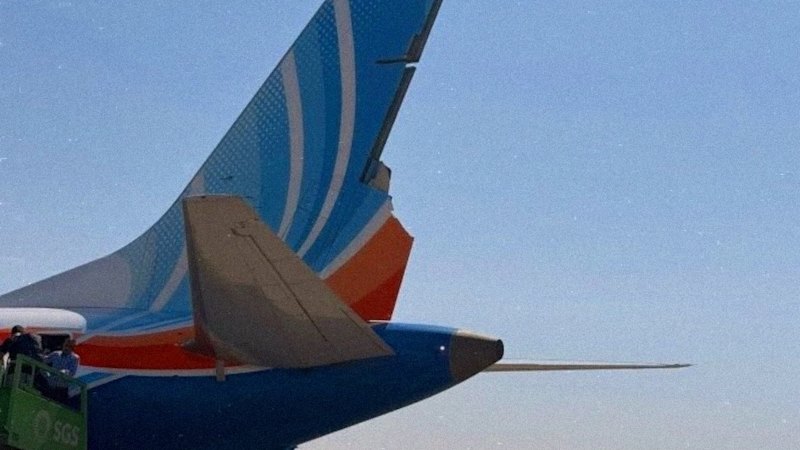
To understand how a flight degrades into chaos, one must look past the sanitized press releases issued by airline public relations departments. Flydubai and similar international carriers operate in high-tempo environments where turnaround times are measured in minutes and regional route networks push flight crews to the absolute edge of their biological limits. When two professional pilots cross the line from professional friction into physical conflict, the failure is rarely spontaneous. It is usually the final, violent punctuation mark on a long sentence of institutional neglect, chronic fatigue, and failing oversight mechanisms.
Modern aviation safety is built on the holy trinity of redundancy: dual engines, dual flight management systems, and a two-person flight deck designed specifically to catch single-pilot errors. Yet, the human element remains the single variable that engineers cannot fully automate or bulletproof. When the captain and the first officer find themselves at ideological or personal war inside a confined workspace measuring barely six feet wide, the dual-pilot safeguard transforms instantly into a dangerous liability.
The Anatomy of a Breakdown
In standard aviation training, crew resource management teaches junior officers to challenge authority when safety is compromised. However, deep-seated cultural hierarchies within international aviation often subvert this principle. A first officer trained in an authoritarian corporate culture may hesitate for crucial minutes before speaking up against an erratic captain. Conversely, a stressed captain facing an insubordinate or incompetent co-pilot may resort to unprofessional assertion of dominance.
When physical blows are exchanged inside a cockpit, the primary flight controls are immediately compromised. Even if the autopilot remains engaged, the physical thrashing of bodies can inadvertently disengage safety systems, alter trim settings, or deflect control columns. The subsequent rapid descent often reported in these terrifying incidents is frequently not a calculated tactical maneuver executed to remedy a technical emergency, but rather the chaotic physical result of accidental control inputs during a struggle, compounded by air traffic control confusion and panic.
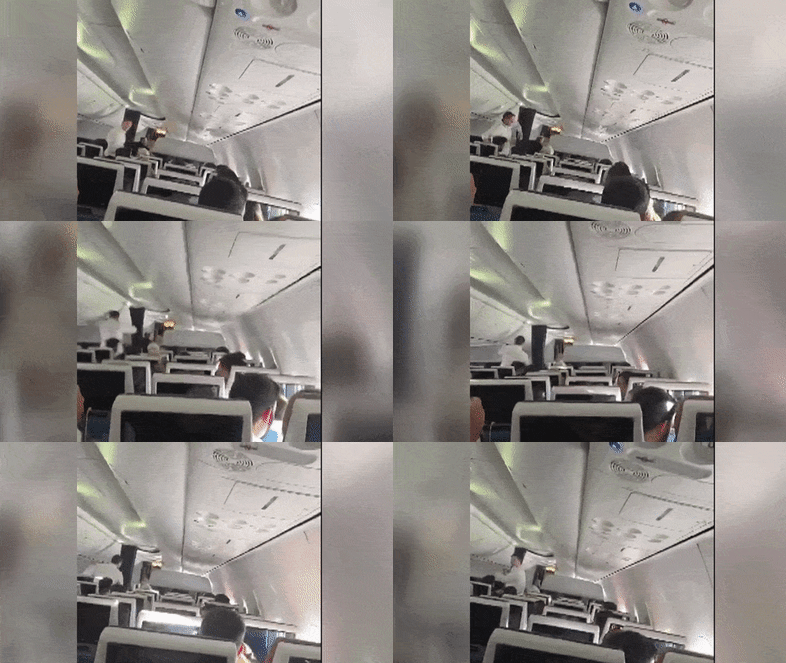
Passengers trapped in the cabin experience this descent as a sudden, sickening drop in altitude accompanied by the deployment of emergency oxygen masks. To the uninitiated, drop masks signify an explosive decompression or a catastrophic engine fire. In reality, they are often deployed as standard protocol when cabin altitude warning horns sound or when the aircraft pitches downward precipitously to shed altitude and clear hazardous weather or airspace conflicts. The psychological terror experienced by travelers in row twenty-four is vastly amplified by the absolute vacuum of information flowing backward from the flight deck. When a crew is incapacitated by internal conflict, the public address system remains silent. Passengers are left to piece together their final moments against a soundtrack of rushing wind and structural groans.
The Invisible Pressures of Modern Scheduling
Behind every cockpit dispute lies an invisible architecture of commercial pressure. Commercial airlines operate under intense financial mandates to maximize aircraft utilization. An airplane sitting idle at a gate is losing money. Consequently, scheduling departments push turnarounds to razor-thin margins. Crews fly maximum legal duty hours across multiple time zones, crossing equatorial and polar boundaries within days, destroying circadian rhythms and eroding cognitive function.
Fatigue does not merely make a pilot sleepy. It degrades emotional regulation, shatters patience, and strips away the fine cognitive filters that prevent minor annoyances from erupting into explosive rage. When a captain and first officer are paired together through automated scheduling software with zero prior knowledge of each other's psychological state or interpersonal compatibility, the risk of friction spikes.
International carriers expanding rapidly across emerging aviation hubs face acute talent shortages. To staff growing fleets, airlines recruit cockpit crew from dozens of different national backgrounds, training academies, and military cultures. A captain formed in a rigid, highly punitive military hierarchy may clash fundamentally with a first officer nurtured in a modern, collaborative civilian training environment. When these differing professional philosophies collide under conditions of extreme sleep deprivation and high ambient cockpit temperatures, the emotional flashpoint arrives with terrifying speed.
Regulatory Blind Spots and Corporate Silence
When incidents of crew incapacitation or in-flight violence occur, regulatory agencies and airlines face immense pressure to manage the narrative. Civil aviation authorities, from the Federal Aviation Administration to the European Union Aviation Safety Agency, rely heavily on voluntary safety reporting systems. Pilots are encouraged to report near-misses and human factors errors anonymously, secure in the knowledge that punitive action will not follow.
However, criminal acts such as physical assault inside a secure flight deck cross a stark legal boundary that exempts them from standard safety immunity protections. When local authorities become involved, the investigation often bogs down in jurisdictional disputes, diplomatic sensitivities, and corporate stonewalling. Airlines fear reputational damage far more than they fear regulatory fines. Consequently, investigative reports into crew behavioral breakdowns are frequently sealed, sanitized, or quietly buried to protect brand equity.
This lack of transparency deprives the global aviation community of vital learning opportunities. If airlines treat violent cockpit confrontations as isolated anomalies rather than systemic warning signs, they guarantee repetition. The assumption that background psychological screening during initial hiring is sufficient to filter out volatile individuals ignores the reality that human beings change, break down, and crack under sustained occupational stress.
The Psychological Toll on Cabin Crew
While attention naturally gravitates toward the cockpit, the cabin crew bear the immediate physical and emotional brunt of high-altitude emergencies. Flight attendants are trained as safety professionals first and hospitality providers second. When a flight goes into an abrupt, uncontrolled descent, they are strapped into their jumpseats, listening to the metallic groans of the airframe while possessing zero operational knowledge of what is transpiring twenty feet forward behind a reinforced cockpit door.
Once the aircraft stabilizes, cabin crew face the harrowing task of managing hundreds of panicked passengers without any guidance from the flight deck. Flight deck interphones go unanswered. The cockpit door remains locked in accordance with post-security protocols designed to prevent unauthorized entry, ironically locking out the cabin manager even when the crew inside requires urgent medical or physical intervention.
Cabin attendants must rely entirely on their own instincts to project calm, prevent panic rushes toward emergency exits, and administer first aid to passengers suffering from hyperventilation, cardiac events, or physical injuries sustained during the rapid drop. The psychological trauma carried by cabin crew long after the aircraft touches down is an overlooked cost of cockpit dysfunction. Many never return to flying, suffering from acute stress disorders triggered by the realization that the people steering the vessel were compromised from within.
Reforming Cockpit Culture and Oversight
Fixing the structural vulnerabilities that permit cockpit brawls requires a fundamental reimagining of crew oversight. First, airlines must abandon pure algorithmic scheduling that pairs random crew members based solely on availability and legality. Implementing sociological and personality-compatibility metrics into rostering software can significantly reduce interpersonal friction.
Second, mandatory psychological check-ins must be decoupled from the fear of immediate license revocation. Currently, pilots hide symptoms of burnout, depression, and severe anxiety out of well-founded terror that admitting mental strain will instantly ground them and destroy their careers. Creating a confidential, non-punitive avenue for psychological rehabilitation would catch unstable individuals long before they reach a breaking point.
Third, flight deck design and security protocols must evolve to account for internal threats. The post-september security architecture focused entirely on external intruders, sealing the cockpit door against threats from the cabin. It provided no safe mechanism to manage a threat originating inside the flight deck itself. While opening the cockpit door mid-flight remains hazardous, airlines must establish emergency protocols and physical override options that allow senior management or trusted cabin supervisors to intervene when telemetry indicates erratic piloting or total crew incapacitation.
The illusion of absolute technological perfection in commercial aviation persists because millions of flights land safely every day. Yet, that safety is maintained by human beings standing on increasingly unstable ground. Until the industry confronts the human cost of relentless expansion, chronic fatigue, and unaddressed psychological strain, the terrifying drop from thirty-seven thousand feet will remain an ever-present hazard waiting for the right combination of pressures to crack the windshield wide open.