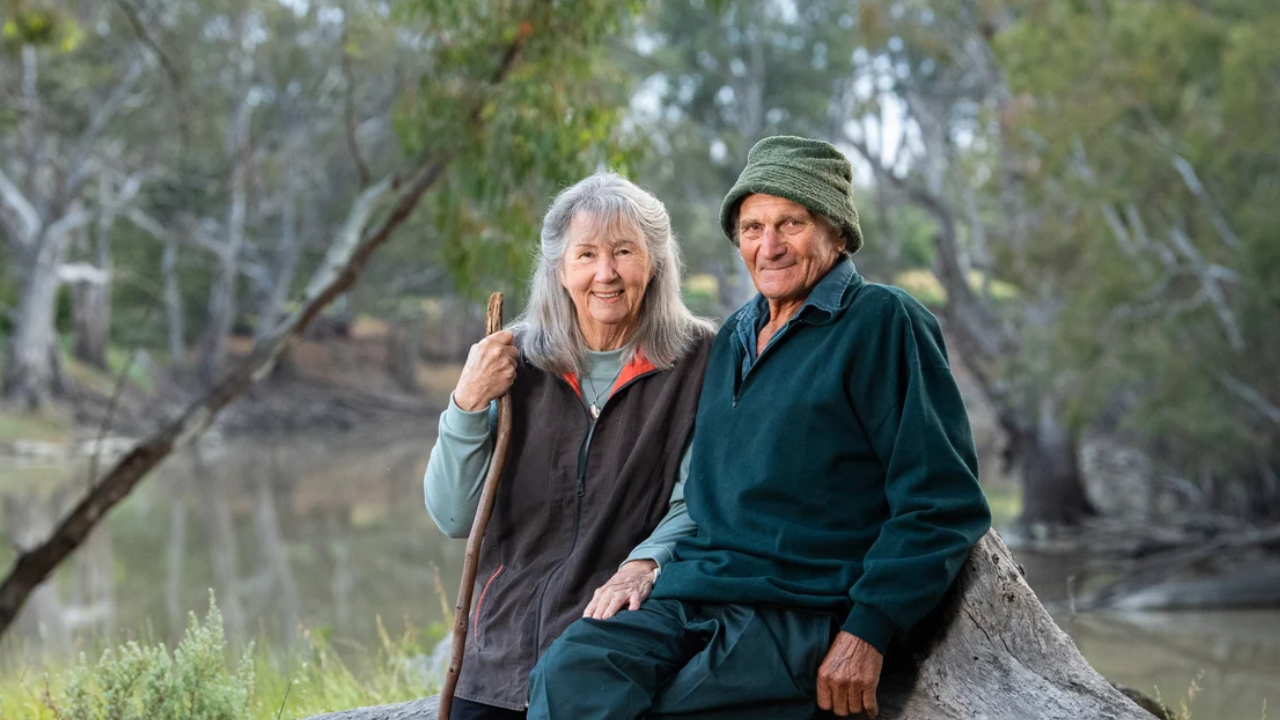
Handing back a corporate lanyard usually comes with a cliché script. Play more golf. Cruise the coast. Tick off a bucket list until the novelty wears thin.
Yet a growing wave of older Australians is trading manicured fairways for mud, chainsaws, and native seedlings through bushland restoration. When retirees pour time, stubbornness, and decades of practical problem-solving into degraded scrub, eroded gullies, and weed-choked paddocks, something remarkable happens to both the land and the people working it. Don't forget to check out our earlier coverage on this related article.
Take the scale of a large rural block—say, close to a thousand hectares of bruised country—and imagine what happens when two retired people decide they aren't going to watch it slowly decay. To be crystal clear upfront, specific details from any outside story about named individuals aren't verified here, so any numbers or scenarios I walk through about a 970-hectare property are used as an illustrative example to show how large-scale ecological recovery actually plays out on the ground.
What isn't hypothetical is the shift happening across regional Australia. Older landholders, Landcare volunteers, and conservation-minded retirees are stepping into a massive ecological gap. Because government agencies and conservation groups don't have enough boots on the ground to fix millions of hectares of degraded private and public land on their own, retired hands are doing heavy lifting that money alone can't buy. If you want more about the context of this, Vogue provides an excellent breakdown.
What Bushland Restoration Really Means Beyond Planting Trees
People hear "bushland restoration" and picture a cheerful weekend with a spade and a tray of wattles. Easy. Photo-friendly. Done by noon.
Real life is dirtier.
When I've walked degraded blocks with ecologists and longtime land stewards, the first lesson is always the same: you can't plant your way out of an unchecked threat. Putting native tubestock into a paddock overrun by feral goats, rabbits, or invasive woody weeds is basically feeding a very expensive buffet to pests.
True bushland restoration starts with triage. You figure out what is actively killing the ecosystem right now, stop that bleeding, and give native seedbanks and root systems a chance to wake up on their own. Often, assisted natural regeneration—removing stock, knocking back invasive grasses or lantana, and managing fire regimes carefully—brings back far more diversity at a fraction of the cost of planting every square meter by hand.
Consider an illustrative example of a 970-hectare bush block in southeastern Australia. If half of that country has been hammered by decades of grazing, compaction, or post-fire weed invasions, trying to plant trees across 485 hectares in a single season will break your back and blow your budget. Smart stewards zone the block. They protect intact remnant patches first, fence off sensitive riparian corridors and gullies, and tackle weeds in staged fronts so they don't get overwhelmed and quit.
That zoning mindset is where retirees often shine. Younger workers juggling careers and kids usually want fast wins and neat weekends. Retirees frequently have something far rarer in ecology: time measured in seasons and years rather than sprints.
Why Older Australians Are Stepping Into Ecological Repair
There's a quiet demographic reality behind this trend. Australia has an aging population, and many people hitting retirement age carry three things that ecological projects desperately need: flexible schedules, super or modest savings, and transferable skills from trades, engineering, teaching, medicine, or administration.
Fixing bushland isn't just biology. It's logistics.
You have to map fence lines, price fencing wire and steel posts, coordinate contractors, track rainfall, apply for small grants, keep safety logs when using brushcutters or chainsaws, and talk to neighbors when feral pigs or blackberry cross boundary fences. Someone who spent thirty years managing projects, fixing machinery, or running a small business already knows how to break a massive mess into weekly tasks.
And honestly, there's a psychological payoff that doesn't show up on a biodiversity survey. Retirement can sometimes strip away structure and purpose overnight. Walking the same ridge line every month and spotting a native orchid, a bandicoot diggings, or fresh green shoots on a scorched eucalypt gives you a reason to pull on muddy boots at dawn.
You can check out how community-led conservation works across the country through organizations like Landcare Australia or explore national conservation science via the Australian Department of Climate Change, Energy, the Environment and Water. The big takeaway from both is that grassroots land care isn't a fringe hobby anymore. It's a backbone of local environmental recovery.
Where Conventional Wisdom Gets It Wrong
Plenty of well-meaning newcomers make the same mistakes when they buy or manage bushland. I've seen smart, passionate people burn through tens of thousands of dollars in two years because they fell for tidy assumptions.
Mistake 1 Treating Every Weed Like an Emergency
Walk onto a neglected block and everything unfamiliar looks like an enemy. Yet spraying every exotic plant on sight can strip away ground cover, trigger erosion on slopes, and open bare soil for even nastier weeds to colonize. Good restoration prioritizes high-impact environmental weeds that smother native regeneration, while working systematically rather than panicking over every stray thistle.
Mistake 2 Ignoring Feral Animals Until It's Too Late
You can't out-plant a herd of feral deer, goats, or pigs, and rabbits will nip seedlings down to stubs faster than you can water them. Exclusion fencing, coordinated control programs, and monitoring cameras aren't glamorous, and they spark plenty of debate in rural communities over methods and ethics. Still, pretending pest pressure doesn't exist is one of the fastest ways to fail.
Mistake 3 Expecting Instant Wildflower Meadows
Nature doesn't run on a five-year corporate timeline. Soils compacted by years of hooves or machinery take time to rebuild structure and fungal networks. Canopy trees grow slowly. Sometimes "success" in year two means fewer weeds along a creek line and three new native grass species returning—not a dramatic before-and-after shot.
Mistake 4 Going Completely Solo When You Don't Have To
Isolation is a real trap on big rural properties. Heatwaves, snake bites, falls on steep slopes, and sheer exhaustion hit harder when you're working alone miles from help. Linking up with a local Landcare group, bush regeneration network, or neighboring landholders brings shared machinery knowledge, grant tips, and sanity checks.
What Actually Works on the Ground
When you strip away romanticism, successful bushland restoration comes down to boring consistency.
- Map before you cut or spray. Walk the property in different seasons if you can. Note aspect, soil types, gullies, existing native remnants, and weed hotspots. A rough hand-drawn map with GPS points beats guessing every time.
- Start at the top of the catchment. Weeds and seeds wash downhill with heavy rain. Working from upper ridges and intact core areas outward stops reinfestation from undo-ing your lower-slope work.
- Pace your body and your budget. Age and physical wear matter. Nobody gets a medal for pushing through back pain or heat stress on a steep hillside. Hire contractors for heavy earthworks, steep clearing, or large-scale spraying when your body or equipment isn't up to it.
- Keep simple records. Snap photos from the exact same spot every six months. Jot down rainfall, control dates, and wildlife sightings. Five years later, those notes prove what worked and help you qualify for funding or share lessons with others.
Is it easy? No. Some days you'll come back covered in burrs, scratched by scrub, wondering why you didn't just buy a small unit by the beach.
Then you hear lyrebirds or rosellas moving through regrowth that used to be silent, or watch water soak into ground that used to sheet-run off, and the trade-off makes total sense.
Practical Ways to Start This Month
If you're eyeing retirement—or already there—and want to get involved in bushland restoration without jumping straight into buying a massive property, start small this week:
- Join a local working bee: Search for your nearest Landcare group, Friends of the Bush group, or council bushcare program and show up for one morning session to learn local species and weed ID from people who know the soil.
- Take a short field walk with an ecologist or experienced steward: Ask one blunt question on every walk: "What would you leave alone here, and what would you tackle first?"
- Audit your own patch or plan a property checklist: Even a small backyard or rural block can shift toward native habitat by cutting back invasive ornamentals, adding local native shrubs and groundcovers, and leaving fallen timber where safe for reptiles and invertebrates.
- Budget realistically for time and maintenance: Factor ongoing follow-up control into any plan—because in bushland recovery, the first pass is only the opening act.