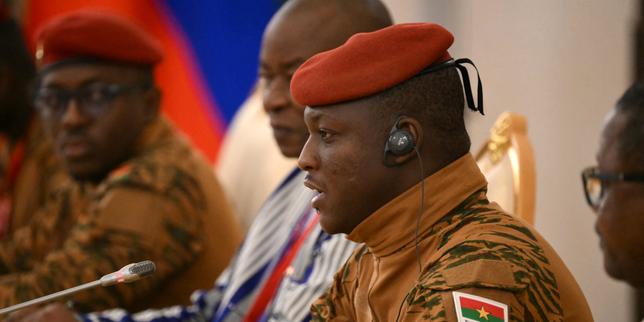
The diplomatic divorce is finally official. On June 26, 2026, the military government of Burkina Faso announced it's completely breaking off diplomatic relations with France. If you've been watching the Sahel over the last few years, this shouldn't surprise you. It's the logical conclusion of a long, painful collapse in trust between Paris and Ouagadougou.
But don't make the mistake of thinking this is just another angry press release. This final rupture reshapes the entire geopolitical landscape of West Africa.
Captain Ibrahim Traoré’s military junta, which seized power in a September 2022 coup, didn't hold back in its official statement read on state television. The government accused France of "persistent activism" against Burkinabè interests and carrying out "neocolonial ambitions." Most severely, the junta claimed Paris is actively supporting "subversive networks" and terrorist groups that have spent the last decade tearing the Sahel apart.
France has repeatedly denied these kinds of accusations, but in Ouagadougou, the narrative is set in stone.
The Long Slide to Zero
This didn't happen overnight. The relationship has been on life support since 2022, and the timeline shows a steady, calculated dismantling of French presence.
In early 2023, the junta kicked out the French ambassador and demanded the immediate withdrawal of nearly 400 French special forces troops from Operation Sabre. By August of that same year, Burkina Faso unilaterally tore up its double taxation treaty with France. Then came the intelligence wars. In December 2023, Burkinabè authorities arrested four French agents from the DGSE (the French foreign intelligence agency) in Ouagadougou, accusing them of espionage. Paris claimed they were merely tech support workers, but the damage was done.
The entry of Russia into this equation changed everything. As Traoré's government pushed France out, it opened the door wide to Moscow. Russian military instructors, mercenaries, and hardware have flooded the country, offering the junta a different kind of security guarantee—one that doesn't come with Western lectures about democracy or human rights.
What the Rupture Actually Targets
It's vital to look at what this decision does and doesn't do. According to the statement delivered by Communications Minister Gilbert Ouedraogo, the break "vises exclusively the institutional framework" of diplomacy.
Basically, the embassy doors are locking, and the official state-to-state channels are dead. However, the junta explicitly noted that this decision doesn't target the historical, cultural, or human ties between the French and Burkinabè peoples.
"Faced with these imperialist ambitions aimed at dominating our country and subjugating our people, we have chosen responsibility and sovereignty."
— Official statement from the Burkinabè government
The government even promised to protect the thousands of French nationals still living in Burkina Faso. Whether that promise holds up in an increasingly tense environment is a completely different story. Just yesterday, the junta mandated that any Burkinabè student wanting to study abroad must get direct permission from the Ministry of Higher Education—a clear move to limit Western educational influence.
The Real Winner in the Sahel
If you're looking for the immediate impact of this split, look at the Alliance of Sahel States (AES). Burkina Faso, Mali, and Niger have effectively formed a tight, anti-Western bloc. All three are run by military regimes, all three have kicked out French forces, and all three left the Economic Community of West African States (ECOWAS) after regional tensions boiled over.
For France, this is an absolute disaster for its African policy. Decades of post-colonial influence—often called Françafrique—have evaporated in less than four years. President Emmanuel Macron's administration has watched helplessly as country after country in the region decides that French military assistance is a liability rather than an asset.
The jihadist insurgency, tied to Al-Qaeda and Islamic State, continues to kill thousands and displace millions across Burkina Faso. The junta bet everything on the idea that cutting ties with the West and leaning on Russia will solve the security crisis. Now that the institutional bridge to Paris is officially burned, they have to prove that strategy actually works.
For anyone traveling, working, or tracking investments in West Africa, the next steps are clear. Expect tighter visa restrictions, increased surveillance of foreign entities, and erratic regulatory shifts as the junta aggressively tries to diversify its partnerships toward emerging economies in the global South. The old status quo is gone for good.