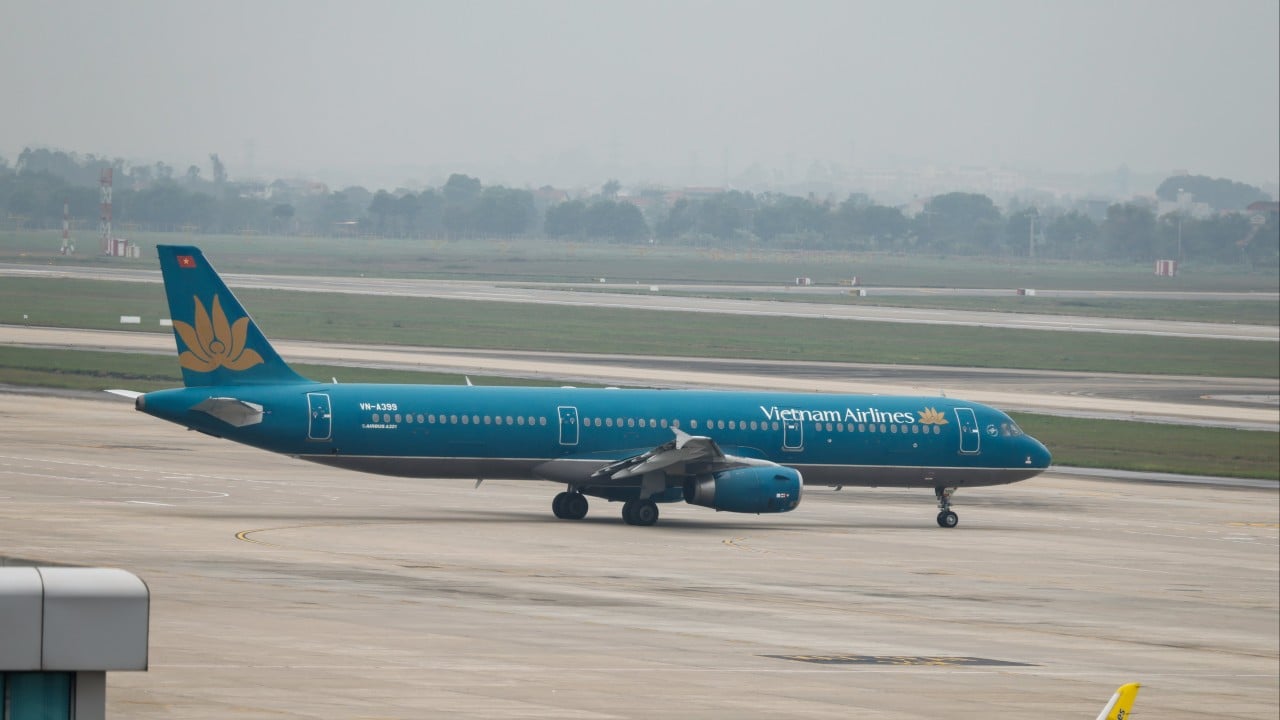
Vietnam is hurtling toward a systemic aviation shutdown that will begin as a trickle of cancellations in early April before potentially paralyzing domestic travel. While the surface narrative points to a regional supply squeeze, the reality is a much more dangerous cocktail of geopolitical vulnerability and a domestic refining infrastructure that has been pushed to its absolute breaking point.
The Civil Aviation Authority of Vietnam (CAAV) has already issued the directive that every traveler and logistics firm in Southeast Asia feared. Airlines have been told to prepare for a drastic reduction in flight frequencies. Airport operators are currently clearing "dead" parking spaces for grounded fleets. This is not a drill, and it is not merely a pricing issue. Vietnam is facing a physical shortage of Jet A-1 fuel that could see the country's most vital air corridors—the lifelines connecting Hanoi, Da Nang, and Ho Chi Minh City—wither within weeks.
The Geopolitical Chokehold
Vietnam’s aviation success has long been built on a precarious foundation of imported energy. The country relies on foreign refineries for over two-thirds of its aviation fuel. More specifically, 60% of that supply flows from just two neighbors: China and Thailand. In the wake of the intensifying conflict involving Iran, both nations have slammed the brakes on refined fuel exports to protect their own domestic reserves.
When China tells its refiners to cease new export deals, as it did earlier this month, the ripples turn into tsunamis for a dependent nation like Vietnam. Thailand followed suit on March 6, banning exports to almost every country except its immediate land-linked neighbors, Myanmar and Laos. This was a strategic decapitation of the Vietnamese fuel supply chain. Singapore, usually the reliable fallback for regional energy gaps, is also seeing its surplus dwindle.
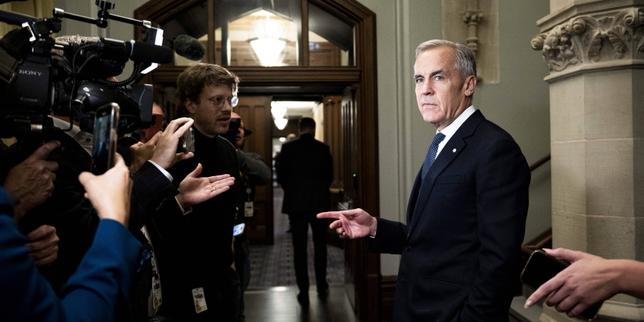
The timing is catastrophic. Vietnam is the third-largest buyer of Chinese aviation kerosene, trailing only behind giants like Australia and Japan. When the tap is turned off in Beijing, there is no "Plan B" that can be activated overnight. Foreign Minister Le Hoai Trung’s recent urgent meeting with his Chinese counterpart, Wang Yi, underscores the desperation. Behind the diplomatic pleasantries of "energy security coordination," Hanoi is effectively pleading for a reversal of a policy that China sees as a matter of national survival.
Why Domestic Refineries Cannot Save the Day
A common question among industry observers is why Vietnam’s own refining giants, Nghi Son and Dung Quat, cannot simply pivot to fill the void. The answer is a grim lesson in industrial rigidity.
These refineries are currently under immense government pressure to maximize production of diesel and gasoline to keep the nation’s power grid and road transport from collapsing. Refining is a zero-sum game of "cuts." To produce more jet fuel, a refinery must often sacrifice the output of other critical middle distillates. In the current crisis, the Ministry of Industry and Trade has prioritized keeping the lights on and the trucks moving over keeping planes in the air.
Furthermore, the technical specs of these plants are not designed for a 100% domestic-reliance scenario. They were built as part of a globalized ecosystem where imports balanced the "heavy" and "light" ends of the barrel. Without the specific blending stocks that usually arrive from Singapore and Thailand, the domestic output is a drop in the bucket compared to a peak travel season's demand.
The Mathematical Impossibility of Profit
Even if the government manages to secure emergency shipments from distant suppliers like South Korea, Brunei, or India, the cost of doing so is annihilating the balance sheets of local carriers.
- Jet A-1 Prices: Trading at approximately $157 to $170 per barrel.
- Surcharges: Premium surcharges have exploded from a standard $2 to over $20 per barrel.
- Operating Costs: Fuel now accounts for nearly 45% of total operating expenses for carriers like VietJet and Vietnam Airlines.
At these levels, the math for a domestic flight simply does not work. A short-haul flight from Ho Chi Minh City to Phu Quoc, once a high-volume profit machine, becomes a black hole for cash. VietJet alone is facing a projected increase in operating costs of nearly $81 million per month.
The CAAV has already hinted at "adjusting the domestic airfare price ceiling." This is a polite way of saying that if you do manage to find a flight in April, you should expect to pay double or triple the usual rate. But price hikes only work if people can afford to fly. For a country reliant on middle-class tourism and efficient business travel, these costs are a poison pill.
The Credit Limit Wall
There is a hidden secondary crisis brewing in the back offices of fuel importers like Petrolimex and Skypec. Aviation fuel is bought on credit. As prices nearly double, these companies are slamming into their credit limits with state and private banks.
They are essentially out of "room" to buy more fuel, even if they could find a seller. The importers have reached out to the government for flexible financing and emergency credit extensions. Without these, the supply chain stops not because the tanks are empty, but because the checks won't clear. This is the "invisible" shortage that will ground planes just as surely as an empty pipeline.
The Inevitable Contraction
What does the "new normal" look like for April?
Expect a hierarchy of cancellations. International "prestige" routes and essential cargo flights will be prioritized because they bring in hard currency and critical supplies. The domestic leisure traveler will be the first to feel the axe. Secondary cities will see their frequencies slashed from multiple daily flights to perhaps three a week.
Airlines are already looking at "essential only" domestic route structures. This isn't just about saving fuel; it’s about survival. Sun PhuQuoc Airways has already signaled schedule adjustments for the next 90 days. They won't be the last.
The government’s decision to slash import tariffs to 0% is a noble gesture, but it’s like offering a discount on water during a drought—the price doesn't matter if the well is dry. Vietnam's aviation sector is learning a brutal lesson about the cost of import dependence in a fractured world. The "Golden Age" of cheap, abundant Vietnamese air travel hasn't just paused; it has hit a wall of geopolitical reality.
Would you like me to analyze the specific impact of these fuel shortages on Vietnam's regional tourism hubs for the Q2 period?