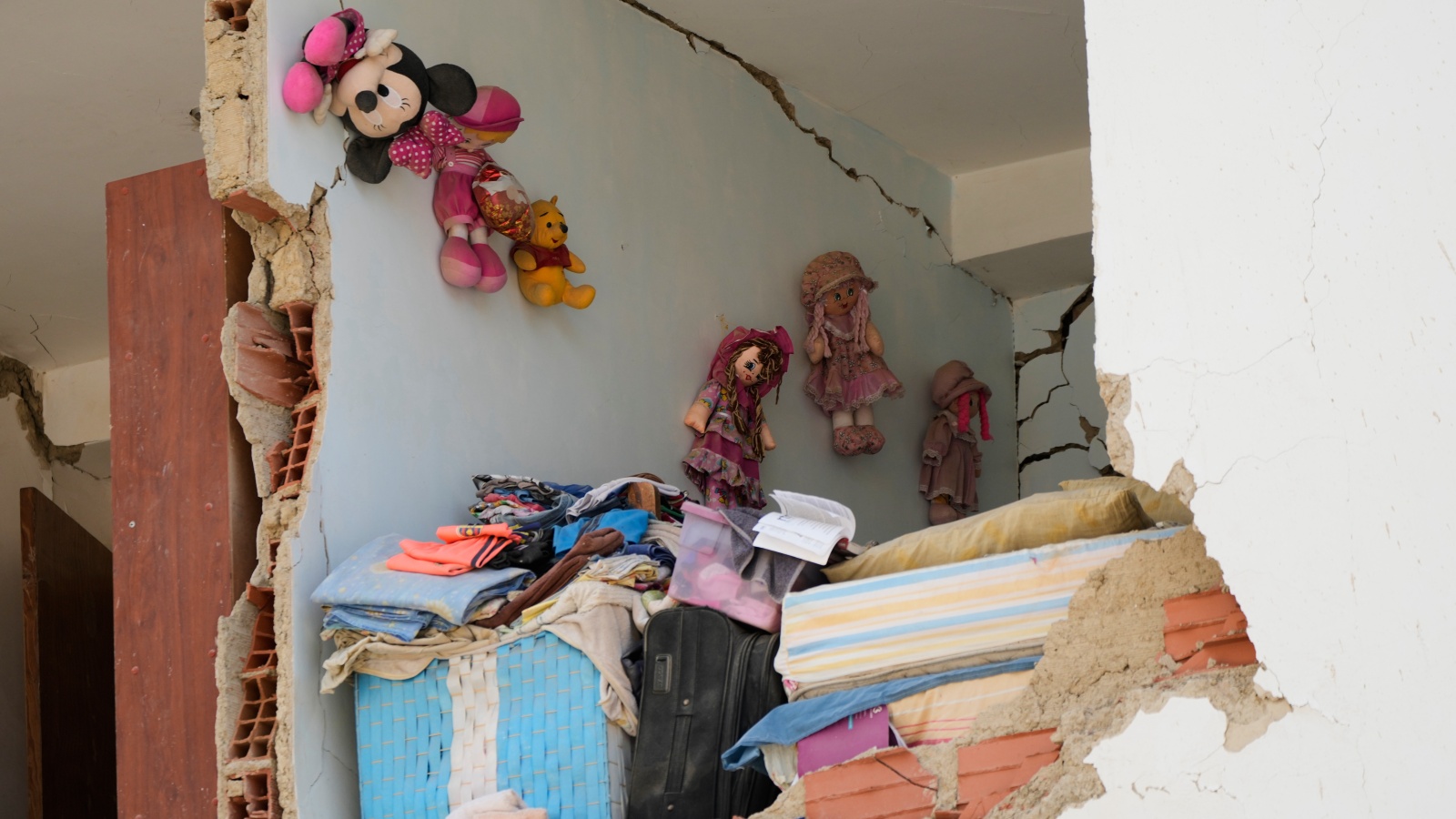
A series of relentless aftershocks, including a sharp magnitude 4.9 tremor, has struck northern Venezuela just forty-eight hours after a catastrophic pair of twin earthquakes killed more than 920 people and left over 50,000 missing. The latest tremors sent panicking survivors fleeing back into the cracked streets of Caracas and La Guaira, compounding a desperate, citizen-led rescue effort. Decades of structural decay, political upheaval, and severe underfunding have transformed what was already a violent geological event into an absolute humanitarian catastrophe. The country is completely unequipped to handle the fallout.
The disaster began on Wednesday evening when the northern coast was struck by a rare seismic phenomenon that experts call a doublet. Two massive shifts occurred within less than a minute of each other. The first was a magnitude 7.2 foreshock, which was immediately followed 39 seconds later by a magnitude 7.5 mainshock. It was the most powerful seismic sequence to strike Venezuela since 1900. The ground shaking flattened entire apartment blocks, ripped through critical transportation hubs, and severed the country's fragile communication networks.
The Anatomy of a Seismic Doublet
Most people understand earthquakes as a single massive shock followed by smaller, decaying aftershocks. This was fundamentally different. A seismic doublet involves two independent major events of comparable magnitude occurring in close geographic and temporal proximity.
The tectonic boundary between the Caribbean plate and the South American plate runs directly along Venezuela’s heavily populated northern coast. On Wednesday night, a shallow strike-slip fault near Morón ruptured at a depth of only ten kilometers. Because the rupture was so close to the surface, the kinetic energy delivered to the ground above was devastatingly intense. The initial 7.2 shock destabilized an adjacent section of the fault, triggering the second, even more violent 7.5 rupture almost immediately.
Buildings that had survived the first shock with minor structural damage were completely obliterated by the second. The back-to-back pressure waves stripped away any chance for residents to evacuate safely. Emergency systems were overwhelmed before officials could even register the location of the initial epicenter.
A Broken State Confronts a Ruptured Coastline
In the coastal state of La Guaira, where entire hillsides slid into the sea and beachfront hotels were reduced to mountains of concrete dust, the official rescue response has been virtually non-existent. Citizens have been forced to dig through the rubble with their bare hands, hammers, and domestic power tools. They are searching for family members while looking out for the bodies of neighbors.
The political environment has severely complicated the logistics of the relief effort. Interim President Delcy Rodríguez took power in January following the removal of Nicolás Maduro, leaving a government that is highly volatile and fiscally drained. While Rodríguez declared a state of emergency and announced a 200 million dollar reconstruction fund, local communities say the money means nothing without heavy machinery on the ground.
The main international airport in La Guaira suffered extensive structural damage, including deep fissures across its primary runways. This has crippled the immediate arrival of heavy foreign assistance. Though the United States, Spain, France, and several Latin American nations have pledged search teams, getting those assets to the actual disaster zones remains a logistical nightmare. Collapsed coastal highways have cut off towns like Caraballeda and Catia La Mar from the capital, forcing volunteers to navigate dangerous mountain paths or use small fishing boats to transport supplies.
Decades of Neglect and the Engineering Deficit
This level of destruction was entirely preventable. Venezuela has long maintained strict building codes on paper, but enforcement disappeared during the economic collapse of the past two decades. Corruption allowed developers to use substandard concrete mixes and insufficient steel reinforcement bars in high-rise residential projects.
The Migration of Vital Expertise
When the ground began to move, these buildings stood no chance. The structural integrity of multi-story apartments in working-class neighborhoods like San Bernardino and Altamira was deeply compromised long before this week. Compounding the physical failure of the infrastructure is a severe deficit in human capital.
The mass migration of over seven million citizens over the last decade included the very professionals needed right now. Thousands of structural engineers, seasoned civil defense coordinators, and trauma doctors left the country years ago. The current emergency services are staffed by under-equipped volunteers who lack the training and heavy equipment to safely tunnel through collapsed concrete slabs.
Sinking Healthcare and Utility Frameworks
The healthcare infrastructure failed almost immediately. Hospitals in the Caracas metropolitan area were already suffering from chronic shortages of basic medical supplies, unreliable electrical grids, and a lack of running water before the quakes hit. In the aftermath of the disaster, injured victims were filmed lying on mattresses in outdoor parking lots while doctors worked by the light of cell phone screens.
The collapse of the electrical grid has left hundreds of thousands of people in the dark, hindering nighttime rescue operations. Water lines have ruptured across the northern states, raising immediate fears of waterborne disease outbreaks in temporary shelters.
The Long Road to Recovery Without a Safety Net
The economic damage is projected to exceed 6.7 billion dollars, representing a massive blow to an economy that was already struggling to survive. According to rapid assessments by international monitoring groups, almost none of this damage is covered by insurance. The protection gap in Venezuela is near total.
While the country’s vast oil infrastructure appears to have escaped major damage, the domestic revenue generated by petroleum exports cannot quickly cover the cost of rebuilding entire cities. The United Nations has warned that up to 6.7 million people live within the zones affected by severe shaking, meaning the humanitarian crisis will persist for years.
Families continue to gather outside the ruins of flattened buildings, holding handwritten lists of names and waiting for any sign of life. The psychological toll is mounting as continuous aftershocks shake the region, causing partially damaged structures to drop further debris onto the streets below. With communication networks still largely down, millions of Venezuelans living abroad are left in an agonizing vacuum, unable to confirm whether their relatives survived the twin shocks or the subsequent tremors that keep the ground in motion.
The international community is attempting to bypass political bottlenecks to deliver aid directly to local civic groups, but the sheer scale of the structural collapse makes localized distribution incredibly slow. Without an immediate, massive influx of heavy earth-moving machinery and international rescue professionals who can operate independently of the fractured state apparatus, the death toll will inevitably surge past the current figures as the critical seventy-two-hour survival window slams shut.