The average home cook approaches asparagus risotto as a simple exercise in stirring and patience. They buy a bunch of green stalks, a bag of Arborio rice, a carton of chicken stock, and expect magic to happen in thirty minutes. It rarely does. Instead of a fluid, velvety wave of rice where the vegetable and grain exist in perfect harmony, the result is usually a pile of sticky, overcooked starch topped with dull, stringy greens.
The secret to a flawless asparagus risotto does not lie in standing over a stove until your arm aches. It lies in understanding the chemical relationship between starch, temperature, and timing. To master this dish, you must stop treating the rice and the asparagus as co-workers cooking in the same pot. They require entirely different environments to thrive. Also making waves lately: Why Viral Kitchen Gadgets Are Actually Ruining Your Weeknight Cooking.
Let us dissect the anatomy of this classic dish to understand where the traditional methods fail and how to fix them.
The Starch Myth and the Cult of Constant Stirring
Open almost any standard recipe and you will find the same instructions. Toast the rice, add wine, and then add warm stock ladle by ladle while stirring constantly. The common wisdom dictates that this relentless friction is what rubs the starch off the rice to create the signature creamy sauce. Additional insights regarding the matter are detailed by Refinery29.
This is only half the truth.
Arborio and Carnaroli rice varieties are packed with two types of starch: amylose and amylopectin. Amylose is a straight chain of molecules that does not gelatinize easily. Amylopectin is a highly branched molecule that absorbs water and breaks down, creating that desired creaminess.
Constant stirring does help knock these starch molecules off the exterior of the grain. However, aggressive, non-stop agitation also breaks the grains. When the grains break, they release too much starch too early, turning your dinner into library paste.
The fix is simple. Stir frequently, but not constantly. You need enough movement to prevent the bottom from scorching and to encourage a gradual starch release, but the rice needs moments of calm to cook evenly. If you are exhausted by the time the risotto is done, you overdid it.
The Carnaroli Alternative
Most supermarkets only stock Arborio rice. It is the default option, but it is not the best option.
Arborio has a high proportion of soft starch on the outside. This means it dissolves quickly and offers a very narrow window between "raw in the center" and "complete mush." If you want to elevate your cooking, seek out Carnaroli rice.
Often called the king of Italian rice, Carnaroli has a higher amylose content. It holds its shape better, absorbs liquids more effectively, and is far more forgiving if you overshoot the cooking time by sixty seconds. It yields a finished product with a texture that is both creamier and more distinctly al dente than Arborio can ever achieve.
Why Your Asparagus Tastes Like Grass and Water
The typical recipe tells you to chop your asparagus and throw it into the pot with the rice during the last ten minutes of cooking. This is a culinary crime.
Asparagus is a highly volatile vegetable. The compounds that give it that fresh, vibrant green flavor are incredibly sensitive to heat. When you boil asparagus pieces directly in the starchy, thick environment of cooking rice, two bad things happen.
First, the volatile flavor compounds leach out into the starch and then evaporate into the air, leaving the vegetable tasting bland. Second, the chlorophyll breaks down in the acidic environment created by the cooking rice and white wine, turning your beautiful bright green spears into a depressing shade of army fatigue olive.
To fix this, we must separate the vegetable from the grain until the very final moment.
The Dual Texture Strategy
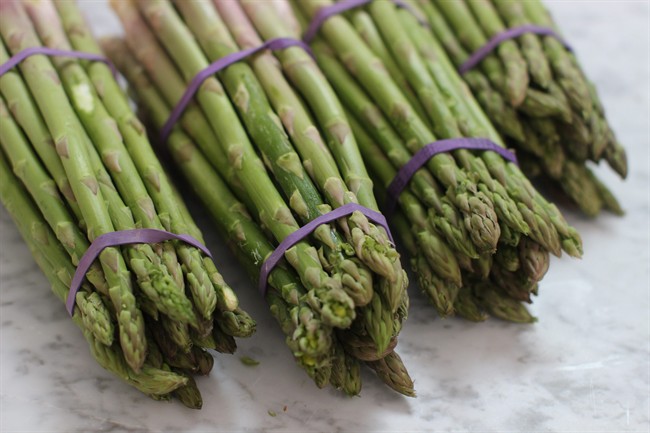
Take a pound of fresh asparagus. Snap off the woody bottoms. Do not throw those woody ends away; they are packed with flavor. Throw them into your simmering pot of vegetable or light chicken stock to infuse the liquid with pure asparagus essence.
Now, look at the remaining tender stalks. Cut the top two inches off. These are the tips, the most delicate and visually stunning part of the vegetable. Slice the remaining stalks into thin rounds.
You now have two distinct components that require different treatment:
- The Rounds: Blanch these quickly in boiling salted water for about ninety seconds. Plunge them into an ice bath to lock in that electric green color. Drain them and purée half of them with a splash of stock and a handful of Parmesan cheese. This vibrant green purée will be folded in at the end, coating every grain of rice with intense, fresh flavor.
- The Tips: Sauté these separately in a pan with a bit of butter and salt until they are just tender and slightly caramelized. These will be used as a garnish. They provide a structural contrast to the creamy rice.
Temperature Control and the Wine Fallacy
The temperature of your stock is non-negotiable. It must be at a bare simmer in a separate pot next to your rice. Adding cold or room-temperature stock to hot rice instantly drops the temperature of the pan. This halts the cooking process, hardens the starch, and guarantees an uneven cook.
Then there is the wine.
Standard procedure dictates adding a splash of dry white wine after toasting the rice and letting it cook off. This is correct, as the acidity of the wine balances the heavy starch and fat that comes later. However, many cooks use cheap "cooking wine" or whatever open bottle has been sitting in the fridge for a week.
If you would not drink it from a glass, do not put it in your food. The heat will cook off the alcohol, but it will concentrate the bad flavors. Use a crisp, high-acid white wine like a Sauvignon Blanc or an un-oaked Pinot Grigio.
The Mantecatura Is Not Optional
The most critical step of making risotto happens after you turn off the heat. In Italy, this is called the mantecatura.
When the rice is cooked but still has a slight bite in the center, and the consistency is a bit looser than you think it should be, remove the pan from the heat entirely. Let it sit for one minute.
Now, add a generous amount of cold, cubed unsalted butter and finely grated Parmigiano-Reggiano. Do not use the pre-shredded cheese from a plastic tub; it is coated in cellulose to prevent caking, which prevents it from melting smoothly into the sauce.
Vigorously beat the butter and cheese into the rice with a wooden spoon. This mechanical action creates an emulsion between the fat, the cheese, and the starchy cooking liquid. This is what creates that legendary, glossy, wave-like texture known as all'onda (on the wave). If you skip this off-heat beating process, you do not have risotto; you just have wet rice with cheese on top.
A Step by Step Blueprint for Authority
To put these principles into practice, let us look at the precise workflow. This is not a casual suggestion, but a strict sequence of events designed to maximize flavor and texture.
- Prep the vegetable base: Blanch your sliced asparagus rounds in salted water. Shock them in ice water. Purée half of them with a little stock and set both the purée and the remaining rounds aside.
- Infuse the stock: Keep five to six cups of high-quality vegetable or light chicken stock at a low simmer. Add the woody asparagus ends to this stock to steep.
- The Soffritto: In a wide, heavy-bottomed pan, sweat half a finely diced yellow onion or a large shallot in a tablespoon of butter and olive oil over medium-low heat. You want them translucent, not brown. Browning the onions will muddy the color of the final dish.
- The Tostatura: Add one and a half cups of Carnaroli or Arborio rice to the pan. Turn the heat up to medium. Stir the grains until they are coated in the fat and the edges become translucent, about two minutes. You should hear the rice clicking against the pan. This toasting step hardens the outside of the grain slightly, helping it maintain its structural integrity.
- The Deglaze: Pour in half a cup of dry white wine. Stir until the wine is fully absorbed by the rice and the alcohol scent has dissipated.
- The Simmer: Add your first ladle of hot stock (straining out the woody asparagus ends). Stir gently. Keep the pan at a lively simmer. As the rice absorbs the liquid, add another ladle. Continue this process for about fifteen to eighteen minutes. Do not let the rice dry out, but do not drown it either.
- The Integration: During the last two minutes of cooking, stir in the asparagus purée and the blanched rounds. The dish will instantly turn a vibrant, stunning green.
- The Finish: Remove the pan from the heat. Add two tablespoons of cold cubed butter and half a cup of freshly grated Parmigiano-Reggiano. Beat vigorously until glossy.
Plate the risotto immediately on flat plates. Tap the bottom of the plate with the palm of your hand; the rice should spread out evenly. If it sits in a stiff mound, it is too dry. Add a tiny splash of hot stock to loosen it. Top with your sautéed asparagus tips and a crack of fresh black pepper.
By separating the elements and respecting the chemistry of the ingredients, you transform a heavy, starch-laden chore into a masterclass of contrast. The rice remains distinct and creamy, while the asparagus retains its snap and its pure, unadulterated flavor. Stop stirring your food into submission and start cooking with intent.


