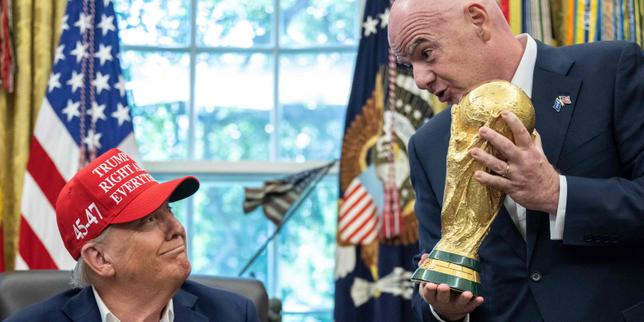
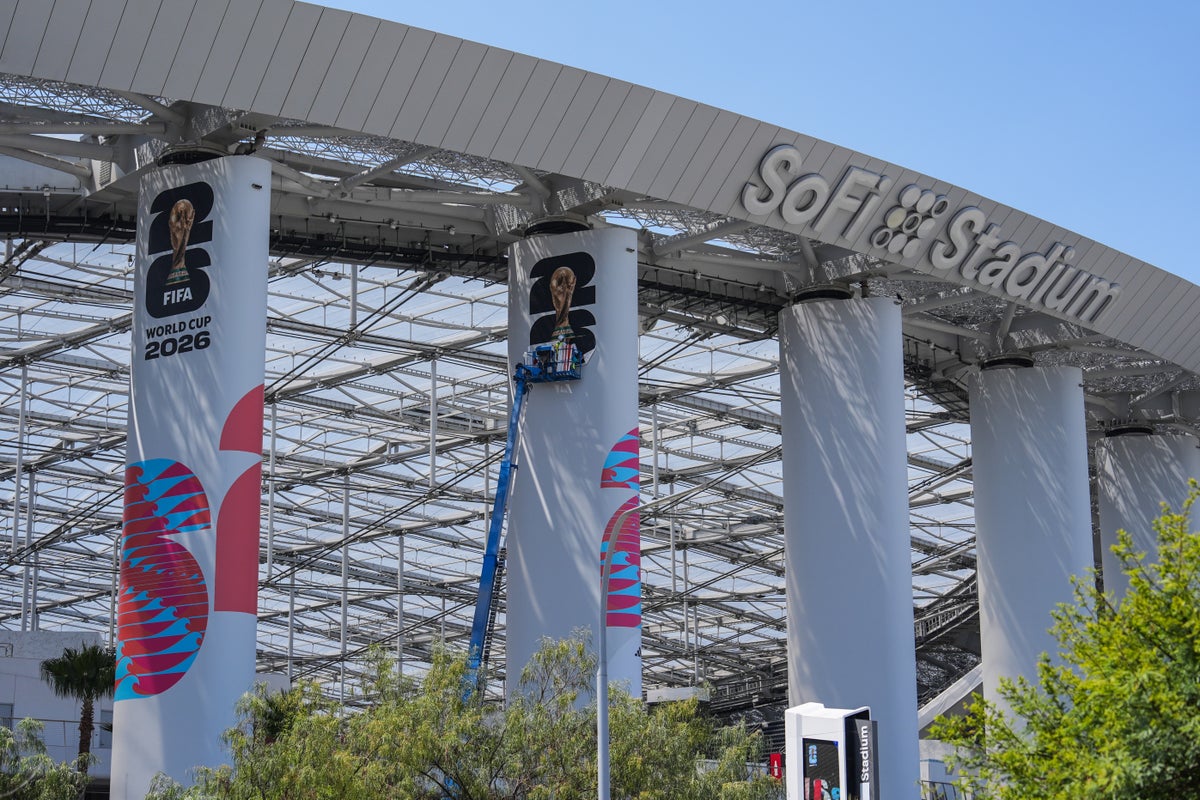
The 48-team expansion of the 2026 FIFA World Cup is a commercial masterstroke designed to maximize broadcasting and ticketing revenue, but it introduces severe logistical liabilities and dilutes the tournament's on-field quality. By expanding the field from 32 to 48 nations and increasing the match inventory from 64 to 104, FIFA has engineered an eleven-billion-dollar corporate juggernaut. However, this massive scale creates an unprecedented physical toll on elite players, logistical strains across three host nations, and a high probability of uncompetitive group-stage fixtures. The tournament is undeniably bigger, but the sporting product itself is inherently compromised.
The Mathematical Dilution of Elite Football
For nearly three decades, the 32-team format stood as the gold standard of international sports engineering. It was clean, balanced, and ruthless. To reach the tournament was an achievement; to survive the group stage required immediate, mistake-free execution.
By injecting 16 additional teams into the mix, the qualification standards across every global confederation have plummeted. The group stage will now consist of 12 groups of four teams. The top two from each group will advance, supplemented by the eight best third-placed finishers. This structural mechanism heavily insulates traditional powerhouses from early elimination. A elite European or South American team can coast through three matches, manage mediocre results, and still comfortably find themselves in the newly manufactured Round of 32.
The immediate casualty of this safety net is high-stakes drama. When a giant like Argentina or Germany faces a lower-tier squad in the opening round, the threat of an upset loses its catastrophic edge. Instead of desperate, tactical battles where every goal alters a nation's destiny, the group stage risks transforming into a prolonged, six-week seeding exercise. The tension that historically defined the first fortnight of the tournament has been systematically bartered away for sheer volume.
The Eleven Billion Dollar Corporate Engine
To comprehend why this expansion occurred, one must look past the governing body's rhetoric regarding global inclusivity and focus entirely on the balance sheet. Football politics are lubricated by development funds, and every additional slot granted to an underrepresented region translates into political capital for leadership.
The financial scale of this transition is staggering. FIFA projections for the 2023–2026 commercial cycle estimate total revenues exceeding 10.9 billion dollars, a massive leap from the 7.5 billion dollars generated during the tournament cycle in Qatar.
| Revenue Stream | Projected 2026 Revenue |
|---|---|
| Broadcasting Rights | $4.2 Billion |
| Matchday & Hospitality | $3.0 Billion |
| Sponsorship Packages | $2.8 Billion |
The core driver of this financial surge is match inventory. Moving from 64 to 104 matches creates 40 entirely new inventory blocks for broadcasters, overseas sponsors, and stadium operators. Matchday revenue alone is projected to skyrocket from 950 million dollars in Qatar to roughly 3 billion dollars in North America. This is sports capitalism operating at its absolute peak, leveraging the vast, pre-existing stadium infrastructure of the United States to extract maximum value without the burden of building white-elephant arenas.
The Human Cost of Sixty Days of Bureaucracy
While corporate executives celebrate projected ticket revenues, the individuals responsible for executing the actual product are being pushed toward a physical breaking point. The eventual world champions will now have to navigate eight matches over a six-week span rather than the traditional seven.
This extension is not happening in a vacuum. Elite players arrive at the international level after grueling, ten-month domestic and continental campaigns with their respective clubs. Adding another match to the tournament, alongside weeks of cross-continental travel between venues in Vancouver, Mexico City, and Miami, pushes human physiology to a dangerous margin. Muscular fatigue, soft-tissue injuries, and mental exhaustion are inevitable side effects when human capital is treated as an infinite resource.
The quality of the football on the pitch will reflect this weariness. When players are chronically fatigued, the pace of play slows, tactical systems become defensive, and individual brilliance is stifled by heavy legs. FIFA is betting that fans will not care if the matches are sloppy, so long as the spectacles remain massive.
Logistical Reality Beats Corporate Optimism
Hosting a unified tournament across three sovereign nations, multiple time zones, and massive geographical distances presents a logistical nightmare that corporate models consistently downplay. The travel demands on squads will be immense, shattering the localized, campus-style environments that teams enjoyed during the compact tournament in Qatar.
Consider a hypothetical scenario where a national team plays its opening group match in the high altitude of Mexico City, travels to the Pacific Northwest for its second fixture in Seattle, and finishes the group stage under intense heat in Houston. The physiological stress of adapting to shifting climates and elevations, combined with hours of flight time, replaces training sessions with recovery protocols.
The economic windfall promised to host municipalities is also facing intense scrutiny from independent analysts. While optimistic studies highlight an eighty-billion-dollar gross economic impact across the continent, seasoned sports economists warn that the direct net benefit to local taxpayers is often a fraction of the advertised total. Cities must absorb astronomical security bills, transport upgrades, and operational costs demanded by football’s governing body. Several major metro areas pulled out of the bidding process entirely after reviewing the financial stipulations required to participate.
The corporate playbook has successfully expanded the footprint of the world's game, but it has done so by eroding the scarcity that made the tournament sacred. The 2026 expansion proves that any product can be made bigger through aggressive commercial scaling. Whether it can remain excellent when stripped of its elite exclusivity is a reality that corporate spreadsheets are entirely unequipped to measure.