Hate doesn't care about your livelihood. It doesn't care that you're just trying to do your job, pay your bills, and provide for your family.
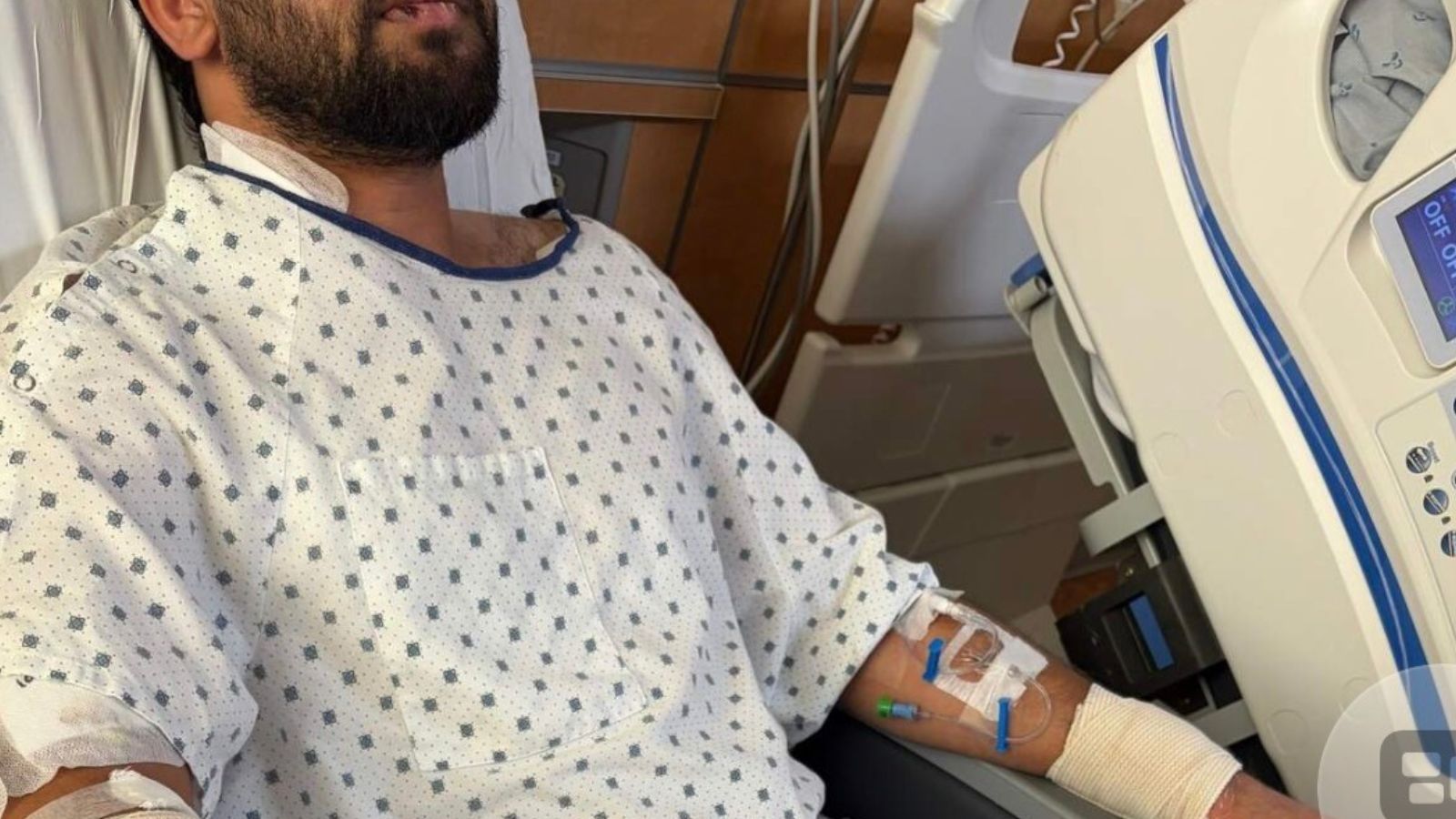
For Inderjit Singh, a long-haul trucker working hard to make a living, a routine stop turned into a nightmare. He was stabbed seventeen times in a violent assault that left the community shaken and demanding answers. This wasn't just a random act of street violence. It followed closely on the heels of a targeted racist social media post using the moniker 'Mr Singh,' which whipped up localized hostility and xenophobic rhetoric. You might also find this similar story useful: The Golden Cage and the Cost of Justice.
When toxic online hate spills over into the physical world, innocent people bleed. We need to talk about how online bigotry transforms into real-world bloodshed, why truck drivers are uniquely vulnerable targets, and what law enforcement is missing.
The Anatomy of a Targeted Attack
Let's look at what actually happened. Inderjit Singh was parked, resting between long stretches behind the wheel. Trucking is a grueling profession. Drivers spend days isolated on desolate highways, sleeping in cramped cabs, and stopping at poorly lit rest areas where security is often nonexistent. As discussed in latest reports by The Guardian, the results are worth noting.
Days before the attack, local digital spaces lit up with a racially charged post targeting a generic "Mr Singh" persona. It mocked, othered, and painted immigrant truck drivers as a threat. Words matter. When bad actors weaponize ethnic names online, they draw a target on the backs of real people living in the real world.
Seventeen stab wounds. Think about that number. That's not a quick scuffle or a heat-of-the-moment dispute. That represents an intense, sustained burst of pure rage. It points straight to targeted bias.
Truck drivers of South Asian descent have faced an invisible wave of hostility for years. People see a turban or a beard and make snap judgments fueled by ignorance. They assume outsiders are taking jobs or ruining local cultures. Meanwhile, these drivers are the literal backbone of the supply chain. Without them, grocery store shelves sit empty. Without them, gas stations run dry.
Why Vulnerability Comes with the Job
If you've never driven an eighteen-wheeler across state lines, you don't understand the vulnerability. You're alone. You're parked in industrial lots or highway shoulders. You're an easy mark.
Local police departments often treat assaults at truck stops as ordinary property crimes or routine disputes until proven otherwise. Hate crime statutes require proving motive, which can be an uphill battle for prosecutors. Perpetrators know this. They feel emboldened because the risk of facing severe hate-crime enhancements feels low to them.
We saw this playbook before. Following post-9/11 xenophobia, Sikh Americans bore the brunt of misplaced rage simply because of their articles of faith. Turbans and beards became targets for ignorant cowards looking for a scapegoat. Decades later, the internet has accelerated this process. Algorithms feed people grievance content 24 hours a day. Radicalization happens fast, and unhinged individuals take it upon themselves to enact violence.
The Cost of Looking Away
We can't sweep this under the rug. When a trucker gets stabbed seventeen times after a wave of racist online posts, looking the other way makes us complicit.
Companies that own truck stops need to step up security. Better lighting, working security cameras, and regular patrols aren't luxury items; they're basic safety requirements. If drivers aren't safe at rest stops, the entire logistics network grinds to a halt.
Law enforcement agencies must also adapt. They need specialized training to recognize how online hate speech preludes physical violence. Treating an assault in isolation when it clearly connects to a broader campaign of intimidation fails the victims.
Protecting vulnerable workers requires more than thoughts and prayers. It demands real accountability for online incitement, stricter penalties for bias-motivated violence, and a cultural shift that values the human beings steering the trucks delivering our goods. Pay attention to the rhetoric in your local community groups. Call out casual racism before it turns into steel slicing through flesh.


