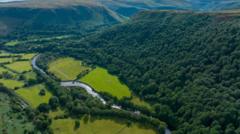
The Royal Society for the Protection of Birds (RSPB) recently acquired a 96-hectare plot of land in a bid to reconnect splintered habitats. While celebrated as a win for biodiversity, the acquisition exposes a deeper crisis facing British conservation. Is piece-by-piece land acquisition fast enough to combat ecological collapse? The short answer is no. Buying isolated pockets of land cannot offset the systemic degradation of the surrounding countryside, meaning that without radical policy changes across the wider agricultural sector, these newly protected zones remain vulnerable islands in a hostile sea.
To understand why a 96-hectare purchase—roughly the size of 230 football pitches—is both a triumph and a drop in the ocean, one must look at the structural mechanics of habitat fragmentation. Building on this theme, you can also read: The Architecture of Maritime Interdependence: A Tactical Analysis of the India New Zealand Strategic Pivot.
The Island Effect in Modern Conservation
When a natural habitat is carved up by roads, intensive farms, and housing developments, it triggers the island effect. Small, isolated populations of wildlife face inbreeding depression. They lose genetic diversity. Eventually, a single harsh winter or localized disease outbreak can wipe them out entirely.
Conservationists have long known that to save species, they must connect these islands. The RSPB’s strategy with its latest acquisition aims to do exactly that, creating physical corridors so wildlife can migrate, breed, and adapt to shifting climate pressures. Experts at Reuters have shared their thoughts on this matter.
But the math rarely adds up.
Britain's natural infrastructure is fractured into thousands of tiny pieces. Acquiring 96 hectares at a time, usually at premium real estate or agricultural prices, is an agonizingly slow way to rebuild an ecosystem. It requires millions in charitable donations, years of legal negotiations, and endless bureaucratic red tape. Meanwhile, industrial development and intensive farming practices alter thousands of hectares every single week. It is a race between a bulldozer and a snail.
The Financial Chokepoint
Charities like the RSPB are funded primarily by membership fees and legacy donations. They operate on tight margins. When a critical piece of land comes onto the market, they must compete with commercial interests, agricultural syndicates, and greenwashing corporations looking for carbon offset credits.
This corporate competition has driven land prices to historic highs. A charity spending a significant portion of its annual capital budget on under 100 hectares means less money for active land management, scientific monitoring, and community engagement.
Consider a hypothetical example. If an environmental trust buys a plot of degraded pasture for £1 million, that is only the entry fee. Replanting native woodland, restoring peat bogs, and reintroducing lost species can easily double that initial expenditure over a decade. If the surrounding farms continue to heavily use chemical fertilizers and pesticides, those toxins inevitably leach into the protected zone, neutralizing much of the conservation work.
The Illusion of Protected Status
Holding the title deeds to a piece of land does not automatically grant it ecological immunity. The UK's current legal framework for protected areas is notoriously weak, often failing to shield supposedly safeguarded sites from broader environmental degradation.
- Airborne pollution: Nitrogen deposition from nearby intensive livestock units changes soil chemistry miles away, choking out native wildflowers.
- Water table depletion: Water companies and agricultural irrigation can drain aquifers, drying out wetlands even if the surface land is owned by a conservation charity.
- Invasive species: Feral populations and non-native plants do not respect property boundaries.
This creates a paradox where a charity pours resources into a "magical" plot of land, only to find themselves playing defense against an invisible tide of external degradation.
Moving Beyond the Purchase Model
If buying up the countryside is too slow and too expensive, the strategy must pivot from ownership to influence.
The real battleground for British biodiversity is not the nature reserve. It is the working farm. Over 70% of the UK’s land area is managed for agriculture. If conservation efforts do not integrate into the food production system, wildlife will continue its downward trajectory, regardless of how many individual hectares the RSPB manages to acquire.
+------------------------------------+------------------------------------+
| Traditional Ownership Model        | Systemic Integration Model         |
+------------------------------------+------------------------------------+
| High capital cost per hectare      | Low direct cost, high policy focus |
| Complete control over land use     | Shared control via incentives      |
| Isolated "islands" of biodiversity | Broad landscape connectivity       |
| Vulnerable to external pollution   | Addresses pollution at the source  |
+------------------------------------+------------------------------------+
The current Environmental Land Management schemes (ELMs) in England were supposed to incentivize farmers to manage their land for nature, paying public money for public goods. However, shifting political priorities and administrative delays have left many farmers cynical, choosing the predictability of intensive farming over complex green subsidies.
The Scale Problem Nobody Wants to Face
To halt the decline of UK wildlife, scientists estimate that at least 30% of land and sea needs to be effectively managed for nature by 2030. Currently, the UK is nowhere near that target, with many official protected areas existing only as paper parks—designated on maps but failing in reality.
A 96-hectare acquisition is a tactical victory in a losing strategic war. Celebrating these small-scale purchases without addressing the systemic policy failures that necessitate them risks creating a false sense of security among the public, convincing donors that wildlife is being saved when it is merely being given a slightly larger cage.
True connectivity requires statutory enforcement. It requires mandatory wildlife corridors baked into every local council's planning framework. It requires forcing developers to build genuine, functional green bridges over major highways rather than simple tokenistic hedgerows. Most importantly, it requires an agricultural policy that treats soil health and biodiversity as foundational elements of food security, rather than luxury hobbies for charities to manage.
Relying on the charity sector to buy back Britain's broken ecosystems acre by acre is an abdication of state responsibility. The RSPB's new acquisition shows the dedication of conservationists, but it also underscores the desperation of a movement forced to buy the ground out from under the feet of destruction just to keep a few species alive. Every square meter purchased by a charity is a stark reminder of the miles of countryside that remain unprotected, industrialised, and increasingly silent.

.webp)