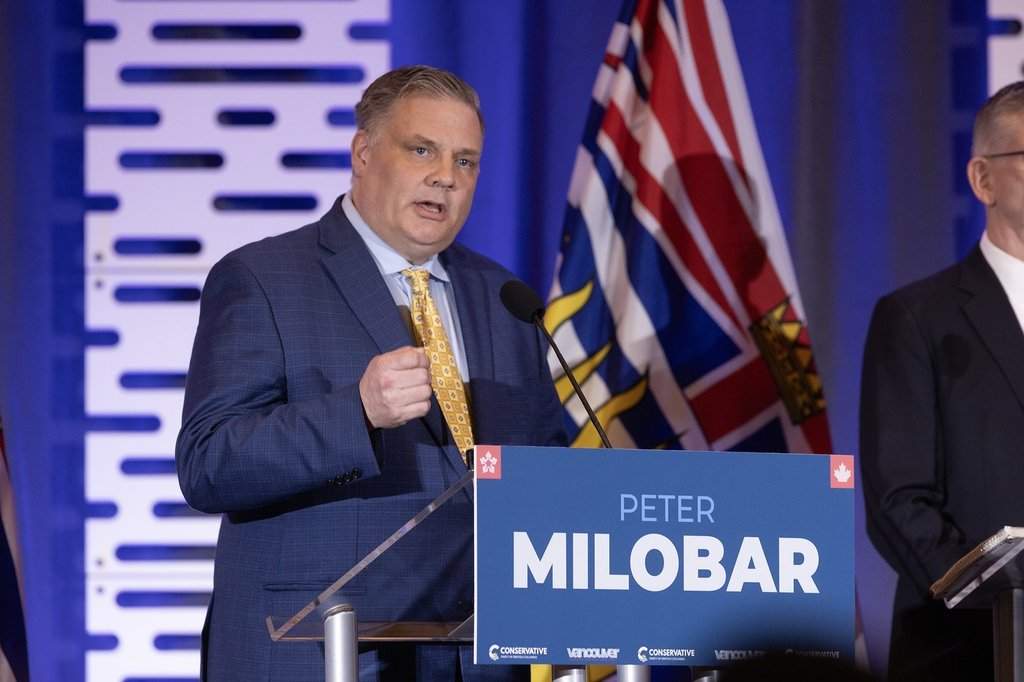
Political brands in British Columbia do not die; they simply mutate into stranger shapes. When former CentreBC figures and key architects of the old B.C. United apparatus stampede back into the Conservative fold under a looming snap election call, political pundits routinely frame it as a triumphant consolidation of the right. They love the narrative of prodigal sons and daughters returning home to lock shields against the New Democratic Party. It makes for clean television segments and tidy newspaper columns.
It is also deeply misleading.
Underneath the veneer of institutional unity lies a volatile marriage of convenience born out of electoral panic rather than ideological harmony. The decision of major CentreBC legislators to crawl back to John Rustad’s party—following a chaotic leadership implosion and internal rebellions—exposes an opportunistic scramble for survival. To understand why this revolving door politics ultimately weakens the conservative movement rather than saving it, we have to look past the press releases and examine the structural rot underneath.
The Anatomy of a Forced Marital Bed
To grasp the fragility of this current alignment, one must remember the scorched-earth maneuvers that preceded it. Only months prior, the center-right ecosystem was fractured by the abrupt self-destruction of B.C. United under Kevin Falcon, followed by the hurried birth of CentreBC as a refuge for politicians who found Rustad’s populist brand unpalatable, erratic, or overly dogmatic. Personal animosities ran white-hot. Investigations later revealed underground digital campaigns and bitter backroom sabotage that proved these factions despised each other as much as they opposed David Eby’s administration.
When expediency forces mortal enemies into the same caucus room, ideological coherence evaporates. These returning figures do not share a unified vision for fiscal policy, resource management, or social governance. They share a polling panic. With an early election forced onto the calendar, incumbent MLAs recognized that running under a fringe or splinter banner meant political annihilation. They chose self-preservation over principle, strapping themselves to a rocket they spent the previous year trying to dismantle.
This creates an untenable operational environment. A political party cannot function as a coherent government-in-waiting when its legislative bench consists of uneasy factions waiting for the next leadership stumble to settle old scores.
The Cost of Ideological Opportunism
Voters possess long memories, even if political strategists assume otherwise. For decades, the provincial right operated under various iterations of a free-enterprise coalition—first as Social Credit, later as the B.C. Liberals, and eventually as B.C. United. That brand was built on a specific synthesis of urban cosmopolitanism, business-friendly deregulation, and moderate social views.
When that brand collapsed under the weight of its own administrative fatigue, its remnants scattered. By absorbing those exact same establishment figures back into a populist conservative movement, the party risks importing the very institutional baggage that alienated voters in the first place. Grassroots conservatives who spent years building a populist insurgency now watch as the old guard reclaims influential committee slots and policy steering roles.
This friction manifests as a chronic lack of message discipline. When a party attempts to simultaneously appeal to populist anti-establishment anger and urban corporate centrism, it ends up speaking clearly to no one. Every policy pronouncement becomes a calculated exercise in ambiguity, designed not to offend the faction sitting across the aisle in the same caucus meeting.
Governance Without a Anchor
The practical consequence for the electorate is severe. An opposition party that constantly manages internal civil war cannot effectively hold a sitting government accountable. While the internal machinery of the right is consumed by turf wars, candidate vetting scrambles, and uneasy truces, the governing party dictates the legislative agenda entirely.
Elections won primarily on the negative energy of vote-consolidation rarely translate into stable governance. If this cobbled-together coalition manages to capture power, it inherits a caucus primed for explosive infighting at the first major policy crisis. Ideological purity tests enforced by populist wings will constantly clash with the pragmatic, bureaucratic instincts of the returning establishment class.
The revolving door of British Columbia conservatism is spinning faster than ever, driven by the immediate terror of the ballot box. But unity achieved purely through fear is merely a ceasefire wrapped in a press release. Until the movement decides what it actually stands for—beyond simply not being the incumbent—these tactical reunions will remain prelude to the next inevitable fracture.