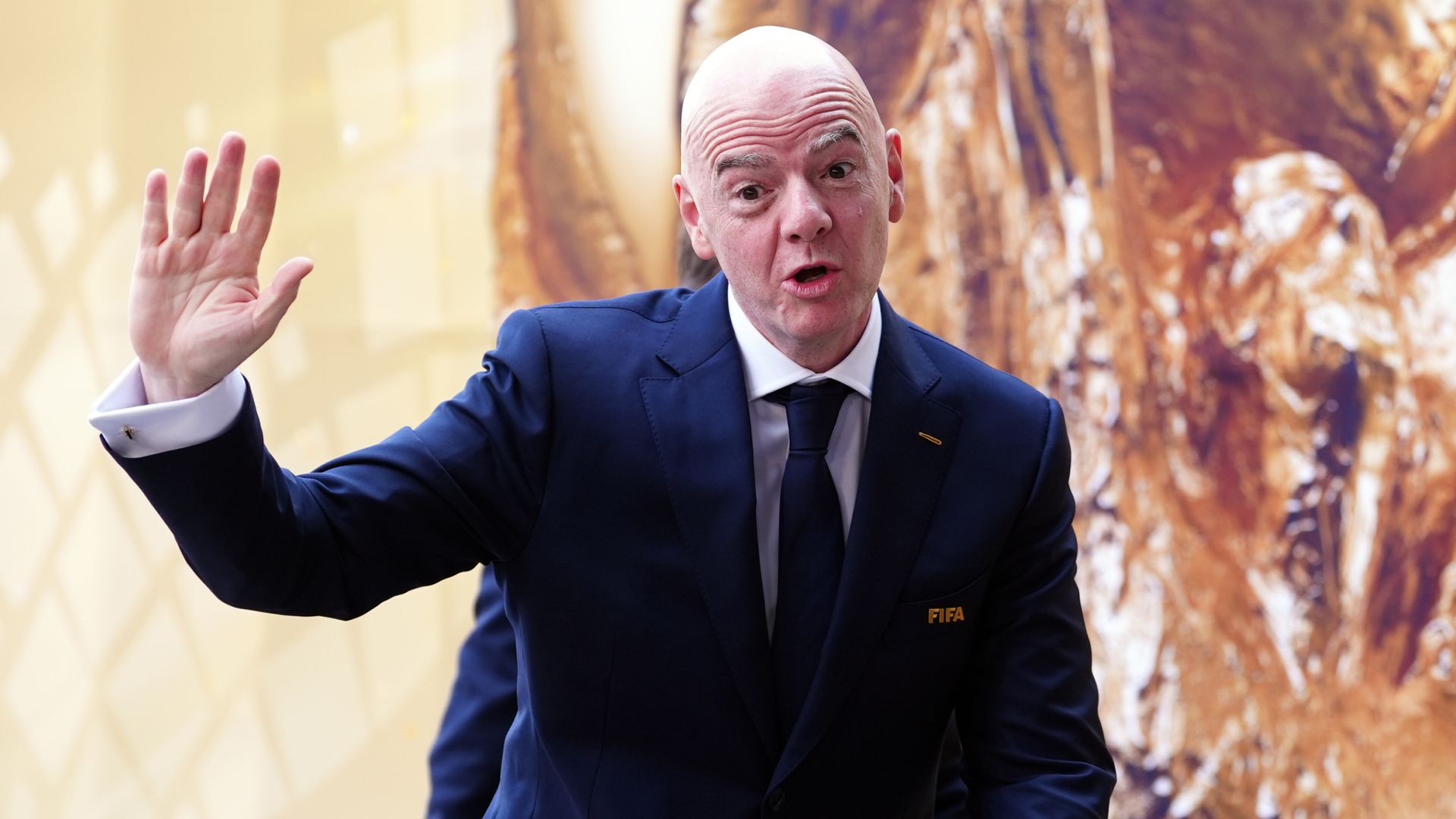
The recent joint declaration by the Premier League, La Liga, the Bundesliga, and Serie A demanding structural governance reform at FIFA is not merely another routine political squabble in Zurich. It is a calculated, long-overdue challenge to an autocracy built on mathematics, money, and institutional insulation. When Europe's most powerful domestic competitions publicly declare that Gianni Infantino’s administration is no longer fit for purpose, they are targeting the architecture of modern global football administration. The immediate catalyst may be the heavy-handed commercial maneuvers regarding World Cup asset sales, but the root cause goes much deeper. It lies in a voting structure that turns global football democracy upside down.
For decades, the mechanics of FIFA elections have favored executive survival over sporting health. Every national association holds a single vote, whether they command a multi-billion-dollar domestic entertainment industry packed with elite stadiums and world-class academies, or represent a tiny federation with a single grass pitch and negligible television revenue. This one-nation-one-vote system was designed to democratize the sport after the darker corridors of the Joao Havelange and Sepp Blatter eras. Instead, it created an efficient mechanism for incumbent survival.
A president can completely alienate the powerhouses of European club and international football—the entities generating the vast majority of the sport's global commercial value—and still secure an unassailable voting block. By distributing development grants, expanding tournament slots to appease minor federations, and promising various financial lifelines, an incumbent builds a fortress out of the very diversity that is supposed to be football's greatest strength.
This structural reality explains why the latest European push for independent oversight and a permanent stakeholder council feels different, yet faces impossible odds. The Premier League and its continental peers are tired of financing a machine that treats them as cash cows while shutting them out of real legislative power. Every time FIFA unilaterally bloats the international calendar with expanded tournaments, new club competitions, and relentless global fixtures, it does so at the expense of player welfare and domestic league integrity.
Consider the physical toll on elite athletes. When a governing body adds matches to an already saturated calendar without the consent of the leagues paying the players' wages, it creates a systemic risk. Yet under the current constitutional layout, the clubs and leagues bearing the financial and physiological risks have zero legislative teeth. They are consulted after decisions are made, if they are consulted at all.
Gianni Infantino has defended his aggressive commercial strategy as a democratization of wealth, aiming to pump more money into developing football regions. That argument carries genuine rhetorical weight in places where infrastructure funding is scarce. But the manner in which these initiatives have been rolled out—frequently bypassing traditional institutional checks and relying on sudden private equity proposals—has exposed the danger of unchecked executive power.
When power is concentrated in a single office, accountability becomes entirely dependent on the benevolence of the person holding it. If that person decides to bypass regulatory norms to chase speculative capital, there are few internal mechanisms capable of stopping them before damage is done. UEFA’s subsequent legal friction and threats of independent inquiries highlight a broken trust that cannot be patched over with a superficial press release or a revised rulebook.
The elephant in the room remains the upcoming presidential election cycle. Despite the mounting noise, the fierce opposition from Europe, and the blistering critiques from domestic chief executives, the structural math heavily favors the incumbent. Unless a credible alternative candidate emerges who can peel away enough votes from the smaller confederations, or unless the major European leagues are willing to take the nuclear option of staging a formal breakaway, the governance model will remain unchanged.
A breakaway, of course, is a terrifying prospect for everyone involved. It risks fracturing the global game, alienating fans, and sparking a legal war of attrition over player registrations, television rights, and historic prestige. Neither side truly wants to blow up the international pyramid.
Yet the threat alone reveals how toxic the relationship has become. When domestic leagues representing billions of global fans feel compelled to issue public ultimatums to the world governing body, the status quo is dead. The question is no longer whether FIFA needs reform. The question is whether a bureaucracy insulated by its own voting rules will ever allow it.