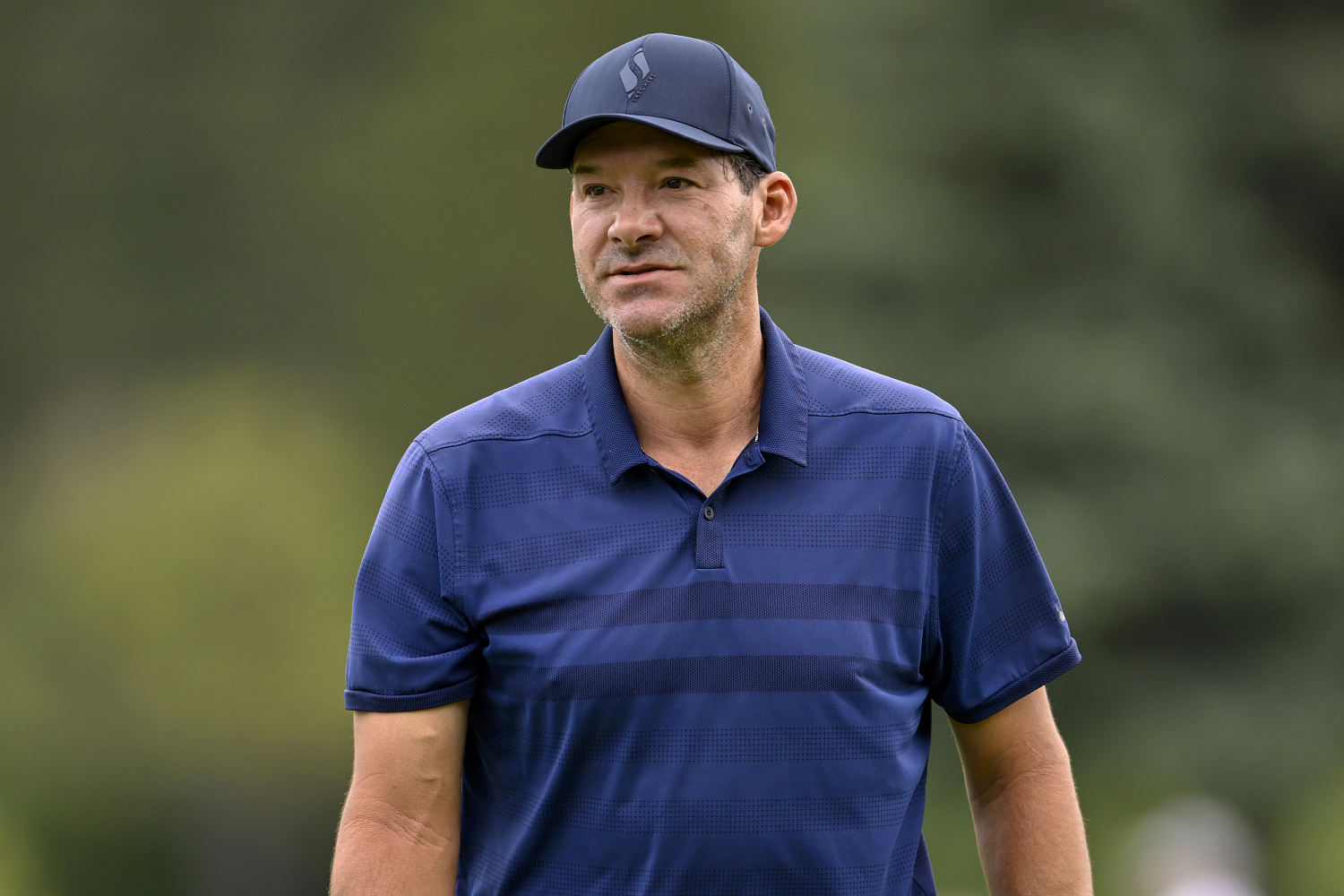
The romantic narrative writes itself. Jack Grealish walks back through the doors of the Hill Dickinson Stadium, the prodigal loan star returning to rescue David Moyes's attack after a cruel foot fracture cut short his previous cameo. The consensus view treats this season-long agreement with Manchester City as a masterstroke of deadline-day opportunism.
It is nothing of the sort. It is an expensive, short-term band-aid masking a profound lack of structural evolution.
Let us look at the ledger. Everton are paying roughly 90 percent of a thirty-year-old winger's wages with zero option or obligation to buy built into a contract that expires next summer. Simultaneously, the club sanctioned the departure of Iliman Ndiaye in the opposite direction for a massive fee, while shipping out Beto to Fiorentina and bringing in Folarin Balogun. Trading a dynamic, peak-age asset for a financed rental who carries high financial risk and zero residual asset value is bad business, no matter how much supporters love his swagger.
Football operations at this level are not won on sentiment. They are won on asset depreciation curves and tactical synergy.
Grealish is a high-usage, ball-dominant wide playmaker. In his previous stint under Moyes, he recorded two goals and six assists in twenty-two appearances. Decent numbers, but hardly irreplaceable. More importantly, his playing style requires a specific tactical accommodation that slows the transition phase. When you replace a vertical, explosive threat with a player who wants to slow the tempo, win fouls, and recycle possession laterally, your entire offensive profile shifts.
Imagine a scenario where a club spends the final hours of a window restructuring its entire attacking identity around temporary fixes rather than building a permanent, coherent core. You do not need to imagine it. Just look at Merseyside.
The financial mechanics make even less sense when evaluated against the wider squad architecture. Everton are underwriting a substantial portion of a player's wages who has played sporadic minutes over the past two seasons. If Grealish suffers another recurrence of his fitness issues, the club is left footing an exorbitant bill for an empty treatment room slot while having parted ways with younger, high-ceiling depth.
Clubs that perpetually rely on the loan market for marquee minutes are clubs trapped in a holding pattern. It is an admission that long-term scouting horizons do not extend past the end of the fiscal year.
Stop pretending this is a coup just because David Ornstein dropped the news. It is a high-cost, low-yield gamble on a fading asset while younger, sustainable solutions walk out the door.
Enjoy the nostalgia while it lasts. You cannot cash it at the bank.