Nostalgia is a drug. And right now, the Edmonton Elks are trying to pass out free samples on the highway.
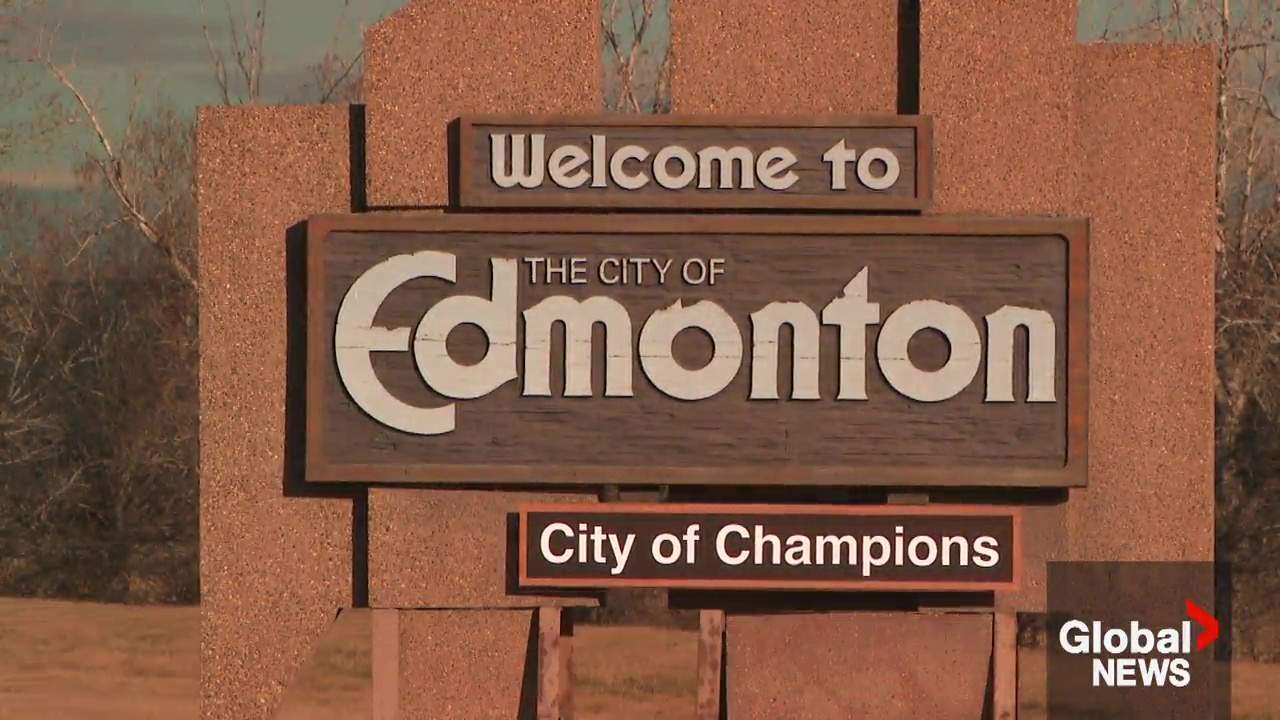
The recent push by the Canadian Football League franchise to resurrect Edmonton’s infamous "City of Champions" welcome signs is being framed in local media as a heartwarming civic rally cry. A harmless nod to glory days. A unifying gesture to restore pride in a battered sports market.
That narrative is pure, unadulterated fiction.
Calling for the return of metal highway signs erected in the late 1980s isn’t a bold civic vision. It is a classic, textbook sports-marketing smokescreen—a cheap, sentimental PR stunt designed to manufacture artificial hype while distracting paying customers from a decade of on-field incompetence and front-office decay.
When a sports organization starts begging city council to polish old trophies instead of fixing its own locker room, you aren't witnessing civic pride. You are watching brand desperation in real time.
The Lazy Consensus Around Civic Slogans
The standard sports-talk radio take goes like this: Edmonton won a ton of championships in the 1980s. The Oilers were a dynasty. The Eskimos (now Elks) were a juggernaut. City council tore down the "City of Champions" signs in 2015 to make room for newer branding. Bringing them back will magically reignite the swagger of a city that has forgotten how to win.
It sounds great on a morning drive-time show. It also violates every fundamental rule of modern sports branding and civic psychology.
First, let’s correct the historical amnesia. The "City of Champions" slogan wasn't even born out of sports dominance. Mayor Laurence Decore popularized the phrase in 1987 to celebrate the resilience of Edmontonians responding to the devastating Black Friday tornado that killed 27 people. Only later did sports broadcasters and civic boosters hijack the phrase to describe Wayne Gretzky’s Oilers and Warren Moon’s football teams.
When the Elks front office lobbies to bring those signs back, they aren't honoring history. They are flattening it, stripping a slogan of its genuine civic grit and turning it into a cheap marketing wrapper for a football team that went years without winning a single home game at Commonwealth Stadium.
You do not become a champion by nailing a sign to a post on Highway 2. You become a champion by winning games in November.
Why Nostalgia Marketing Fails When the Product Is Broken
I have spent years watching legacy sports franchises and struggling consumer brands burn millions of dollars on retro rebrands, throwback jerseys, and heritage campaigns. The pattern never changes. When leadership runs out of operational answers, they raid the archive.
In sports economics, this is known as nostalgia-based brand substitution—using past equity to mask current product failure. It works for about fifteen minutes. A fan sees the old logo, feels a rush of dopamine tied to their childhood, and maybe buys a hat.
Then the stadium gates open.
If the product on the turf is sloppy, poorly coached, and uncompetitive, nostalgia turns toxic fast. Instead of reminding fans of how great the franchise used to be, the retro branding highlights just how far the organization has fallen. You don't create excitement; you create cognitive dissonance. You force your paying audience to stare at a monument to excellence while watching mediocrity unfold in front of them.
Think about what the Edmonton Elks have actually put on the field over the past several seasons. Historic home losing streaks. Revolving doors at quarterback and head coach. Plummeting attendance in a stadium that used to be the envy of the entire CFL.
Against that backdrop, asking the city to reinstall "City of Champions" signs doesn't project strength. It projects insecurity. Champions don't need to remind people they are champions. Everybody in the room already knows.
The Real Reason Edmonton Removed the Signs in 2015
To understand why bringing the signs back is a step backward, you have to look at why Edmonton City Council voted to remove them in the first place.
By 2015, the signs had become a punchline. Outside of northern Alberta, rival fans and national media mocked the slogan relentlessly. Every time the Oilers missed the playoffs or the football team stumbled, the "City of Champions" tagline became low-hanging fruit for national ridicule.
Civic branding experts—including researchers who study place-making and municipal identity—have long pointed out that static, boastful municipal slogans almost always age poorly. Cities evolve. Economies shift. Hanging your entire civic identity on a sports-adjacent superlative ties municipal morale to the unpredictable bounce of a puck or a football.
When Edmonton finally took the signs down, it wasn't an act of self-hatred. It was an act of maturity. The city recognized that a modern, growing metropolis shouldn't define itself by what happened thirty-five years ago.
Reversing that decision now because a struggling football club wants a PR boost isn't bold leadership. It’s civic regression.
What Fans Actually Want (And Why Front Offices Ignore It)
Whenever a sports team launches a campaign like this, the usual questions pop up on social media and local forums:
- Doesn't bringing back the signs help build a winning culture?
- Why does it hurt to celebrate Edmonton's championship history?
- Won't this help the Elks sell more tickets and rebuild fan engagement?
Let’s dismantle each of those premises.
First, signs don't build culture; standards do. Culture inside a professional sports organization comes from scouting, player development, salary-cap discipline, and ruthless accountability at the ownership and general manager levels. No defensive back in the fourth quarter of a tie game plays harder because there is a welcome sign near the airport.
Second, celebrating history isn't the problem—hiding behind it is. Nobody is stopping the Elks from honoring their Grey Cup dynasties inside Commonwealth Stadium. Put banners in the rafters. Build statues on the concourse. Induct legends into the Ring of Honour. That is where sports history belongs: inside the venue, owned and paid for by the team itself. Demanding that municipal taxpayers maintain highway signage to prop up your franchise's emotional narrative crosses the line from celebration into freeloading.
Third, nostalgia doesn't fix structural attendance declines. Fans stopped showing up to Commonwealth Stadium because the game-day experience felt stale, the team couldn't protect home field, and younger demographics found better ways to spend their Friday nights and hard-earned money. A highway sign will not convince a 24-year-old in Edmonton to buy season tickets.
The Heavy Hitters of Sports Branding Know Better
Look at the franchises across North America that actually pulled off genuine turnarounds after years in the wilderness.
When the Toronto Raptors rebuilt their identity under Masai Ujiri and Tim Leiweke, they didn't beg the city to put up signs bragging about the Maple Leafs' 1960s Stanley Cups. They built a forward-looking cultural movement ("We The North") rooted in grit, outsider mentality, and present-day ambition. Then they backed it up with elite front-office execution.
Look at the Detroit Lions under Brad Holmes and Dan Campbell. For decades, Detroit was the ultimate case study in sports misery. When the new regime took over, they didn't wrap themselves in the nostalgia of the 1950s NFL championships or even the Barry Sanders era. They stripped the culture down to the studs, focused relentlessly on trench talent and coaching accountability, and let the wins speak for themselves.
Notice the pattern? Winners build forward. Losers look backward.
Every time a struggling franchise leans on dusty slogans from the Reagan era, they advertise to the entire league that they have no idea how to win in the modern era.
The Uncomfortable Truth About Edmonton’s Sports Identity
Let’s be brutally honest about the trade-offs here, because contrarian takes without nuance are just noise.
There is a real emotional hunger in Edmonton right now. The Oilers' recent deep playoff runs—coming agonizingly close to ending Canada’s Stanley Cup drought—reminded the city what electric, high-stakes sports energy feels like. People miss that feeling. They want to feel proud of their city again, and sports is the fastest emotional shortcut to get there.
The Elks' leadership sees that emotional wave and is trying to surf it. From a purely tactical, short-term PR standpoint, it makes sense why they would float the idea. It gets the team’s name in the headlines during the offseason without costing them a dime in marketing spend. It sparks barstool debates. It positions the new ownership group as "champions of the people."
But tactical cleverness is not strategic wisdom.
If the Elks actually want to restore Edmonton’s reputation as a championship city, they have a massive, concrete stadium sitting right there on Stadium Road where they can prove it. Every single home game is a referendum on their brand.
What the Elks Should Do Instead of Lobbying for Highway Signs
If I were sitting in the Elks’ boardroom tomorrow morning, I would tell them to drop the sign campaign immediately and redirect every ounce of that energy into three non-negotiable priorities:
- Earn the slogan on the scoreboard first. Stop talking about championships until you can consistently win at home. Make Commonwealth Stadium a fortress again. Until opponents dread flying into Edmonton, any talk of "champions" sounds like satire.
- Invest in the live stadium experience, not municipal signage. Take the energy spent lobbying city hall and put it into fixing ticketing friction, upgrading concourse value, and creating an atmosphere that appeals to young fans who weren't alive when Warren Moon threw a touchdown pass.
- Own your own mythology. Build a world-class heritage experience inside the stadium gates. Make fans walk past the dynasty trophies on their way to their seats. Let the history inspire the people who already bought a ticket, rather than using it as bait on the highway.
Edmonton doesn't need metal signs on the edge of town to validate its worth. And the Edmonton Elks don't need a 1980s catchphrase to save their franchise.
Tear down the excuses, fix the football team, and win some games. Do that, and nobody will need a sign to know what city they just drove into.