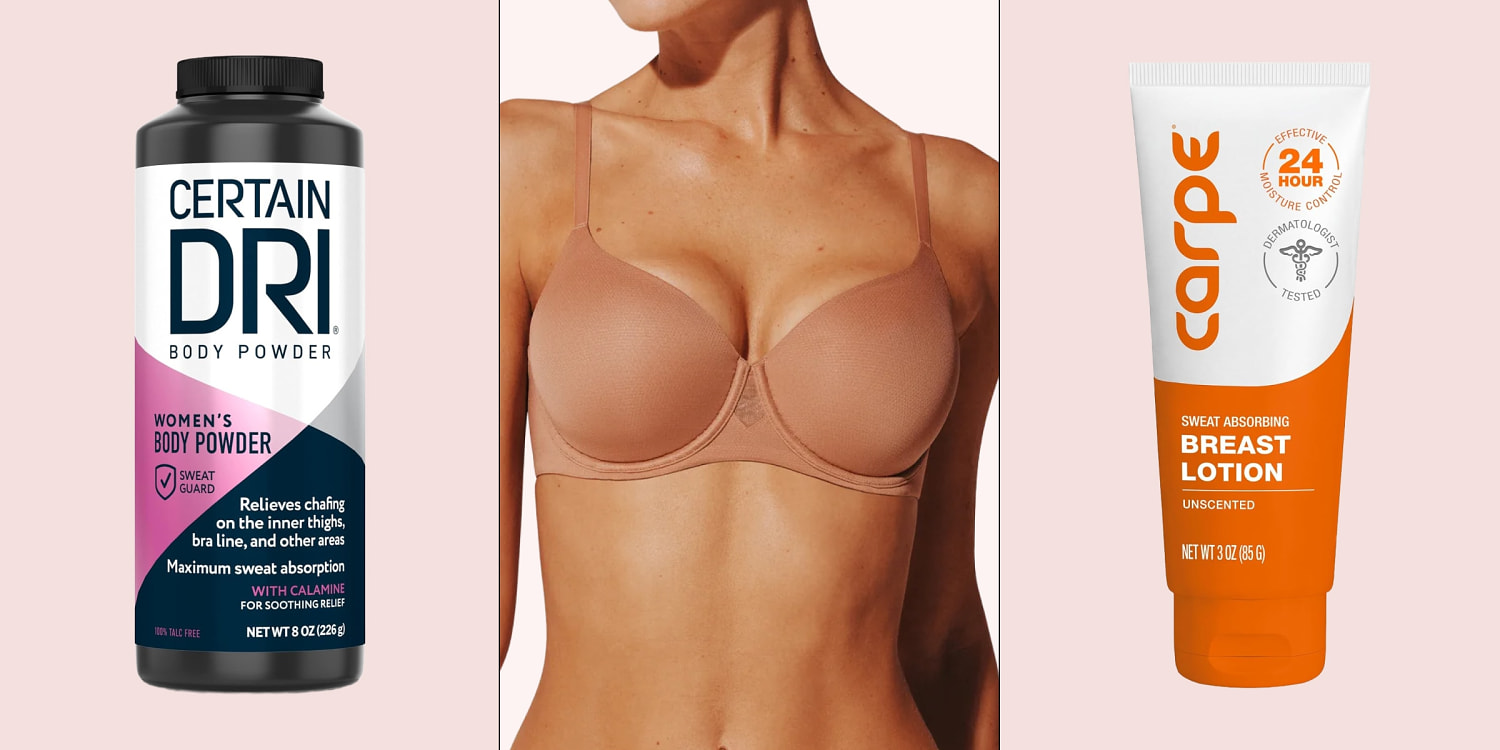
Let us talk about a completely normal physical reality that nobody wants to discuss in polite company. Boob sweat. It happens during a humid summer commute, halfway through an intense HIIT workout, or simply while sitting quietly at a desk when the office thermostat climbs past seventy degrees. You stand up, and there is an unmistakable damp patch right beneath your chest. It is uncomfortable, it leads to chafing, and frankly, it is deeply annoying.
Most conventional advice tells you to wear a cotton bralette or just deal with it. That advice is useless. Cotton traps moisture against your skin like a sponge, turning a minor perspiration issue into a breeding ground for irritation and fungal discomfort. If you want to actually manage under-breast moisture, you need a targeted strategy that treats sweat production at the source rather than just soaking up the mess after the fact. Dermatologists and body-care specialists deal with intertrigo—the medical term for skin friction rash caused by sweat and trapped heat—every single day. They know what works, and it goes far beyond standard deodorant.
The Anatomy of Chest Perspiration
Your chest area is packed with sweat glands, and gravity naturally creates skin-on-skin contact under your breasts. When two warm surfaces touch with zero airflow, trapped moisture has nowhere to go. Add friction from movement, and you get raw, red skin that hurts to touch.
Standard antiperspirants are designed for underarms, but active formulas containing aluminum chloride work just as well on other parts of the body. When applied to clean, completely dry skin before bed, these products temporarily block sweat ducts. This preventative approach beats reacting to sweat after it starts. If you wait until you are already damp, antiperspirant slides right off your skin before it can absorb or create a barrier.
Choosing the Right Barrier Products
If chemical antiperspirants irritate your sensitive chest skin, physical barriers offer a solid alternative. Talc-free body powders have made a massive comeback, but cornstarch-based formulas or specialized anti-chafing sticks do a cleaner job without creating a messy paste.
Medical-grade silicone strips or reusable under-breast liners also change the game for daily comfort. These products create an actual physical buffer zone, keeping skin surfaces separated so moisture cannot accumulate and friction cannot start. Think of them like tiny, specialized raincoats for your skin folds. They stay put inside your bra and eliminate the skin-on-skin contact that causes most of the damage.
Upgrading Your Underwear Strategy
Your choice of undergarment matters more than you might think. Synthetic athletic wear gets a bad reputation, but moisture-wicking fabrics engineered for athletic performance pull sweat away from your skin and evaporate it quickly. Traditional push-up padding acts like an insulation layer, trapping body heat and ramping up perspiration rates.
Look for unlined, mesh, or bamboo-blend bras designed specifically for breathability. Some companies now manufacture specialized sweat-absorbing bra liners made from bamboo fleece, which handles moisture far better than standard cotton ever could. Changing out of a damp sports bra immediately after working out is non-negotiable. Sitting in wet fabric for even twenty minutes invites bacterial growth and yeast flare-ups that turn a simple sweat issue into a dermatological problem.
Targeted Skincare and Prevention Routines
Managing the aftermath is just as important as stopping the sweat before it starts. If your skin is already red or irritated, wash the area with a gentle, fragrance-free cleanser and pat it completely dry with a clean towel. Avoid harsh scrubbing, which only makes raw skin angrier.
Dermatologists often recommend applying a thin layer of zinc oxide ointment—the same active ingredient found in diaper rash creams—to soothe existing irritation overnight. It creates a breathable protective seal that helps damaged skin barrier cells repair themselves quickly. If you deal with recurring bumps or breakouts under your chest, switching to a cleanser containing salicylic acid or benzoyl peroxide a few times a week clears out clogged pores before sweat turns into folliculitis.
Keep a travel-sized pack of gentle cleansing wipes and a small container of barrier balm in your bag if you commute or work in high-temperature environments. A quick refresh midday stops minor dampness from turning into a full-blown chafing disaster by the afternoon. Take control of your routine, swap out moisture-trapping fabrics, and stop letting summer weather dictate your daily wardrobe choices.