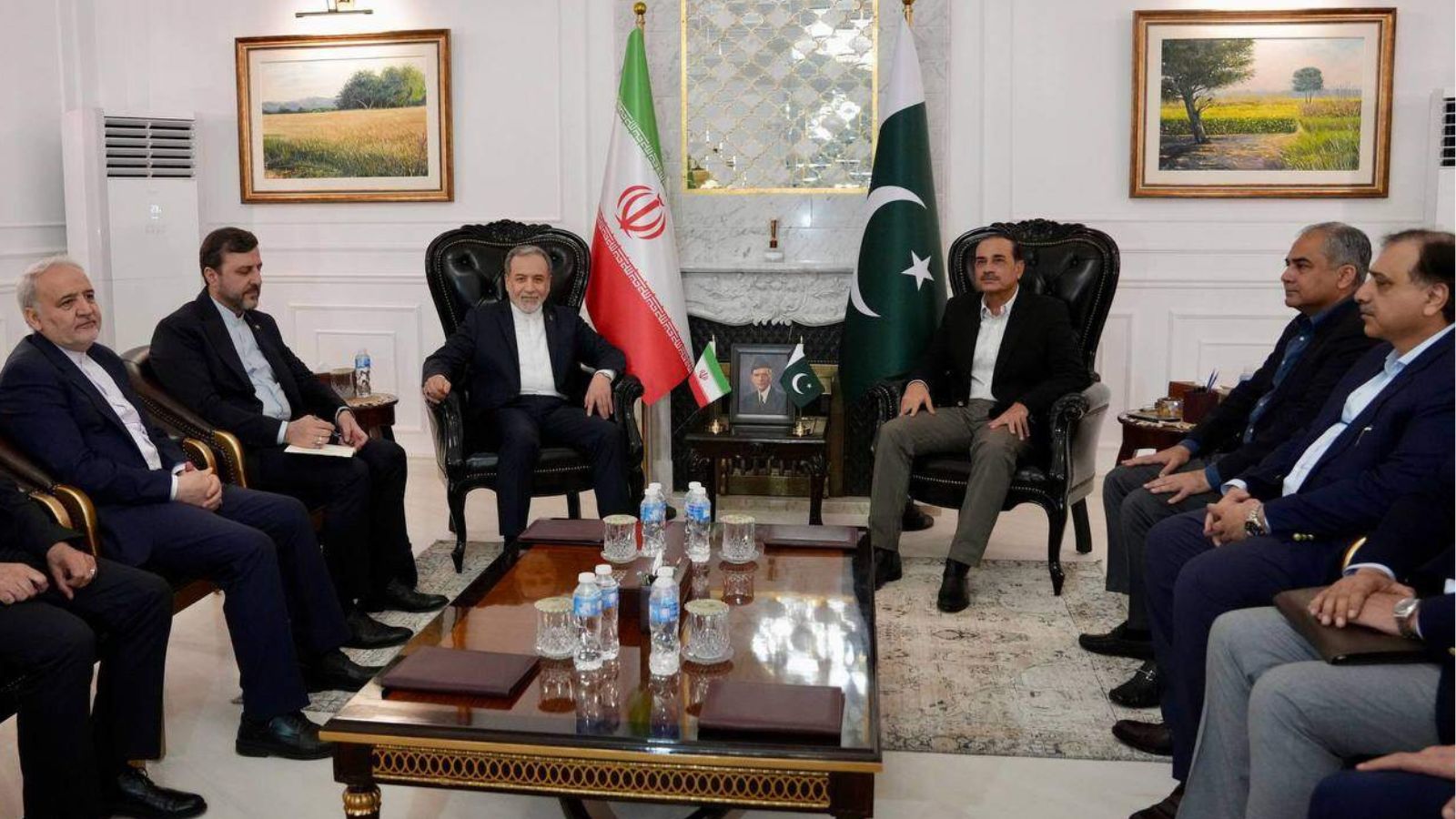
The ink used in international diplomacy is deceptively heavy. When ministers from Washington and Tehran sit across from one another, the documents they sign look like ordinary paper. But those pages carry the weight of sanctions, naval blockades, and the terrifying math of enrichment centrifuges. Everyone watches the pens. Everyone waits for the handshake.
Yet, the most dangerous parts of any peace treaty are never the clauses written in bold black text. The real danger lives in the blank spaces.
Consider a hypothetical family living in the coastal city of Bushehr, or a merchant operating a small shipping firm out of Dubai. For them, a ceasefire is not an abstract concept debated in Swiss hotels. It is the difference between a normal life and sudden catastrophe. If a deal is struck tomorrow, the headlines will scream of success. Stock markets will rally. Politicians will take credit for averting a catastrophic conflict in the Persian Gulf.
But if you look closer at the actual framework of the current peace talks, you realize something unsettling. The negotiators are building a roof while the foundation is still on fire. They are rushing toward a ceasefire that deliberately ignores the very triggers likely to detonate the next crisis.
The Illusion of a Clean Slate
Diplomacy is often the art of aggressive postponement. When two nations have spent decades trading threats, cyberattacks, and proxy violence, you cannot solve every grievance in a single weekend. To get a signature, negotiators use a tactic called "bracketing." They take the hardest, most volatile issues, put brackets around them, and agree to talk about them later.
The current US-Iran talks are a masterclass in this kind of high-stakes procrastination.
The primary goal of the current framework is simple: stop the immediate bleeding. The US wants a halt to regional rocket attacks and a freeze on certain nuclear advancements. Iran wants immediate relief from the economic sanctions that have choked its currency and left ordinary citizens struggling to buy basic medicine.
It sounds reasonable. It sounds like progress.
But history is a cruel teacher when it comes to partial peace. In 2015, the world celebrated the Joint Comprehensive Plan of Action (JCPOA). It was hailed as a triumph of modern statecraft. Yet, it left the door wide open for future ruin because it focused almost exclusively on uranium enrichment while ignoring ballistic missile development and regional proxy networks. When the political winds shifted in Washington a few years later, the entire structure collapsed like a house of cards.
We are watching the exact same script play out today. By focusing only on a temporary ceasefire, negotiators are treating the fever while ignoring the infection.
What the Cameras Choose to Ignore
To understand what is missing from the table, you have to look at the gray zones where modern wars are actually fought.
Wars are no longer just about tanks crossing borders. They are fought in the digital dark. Over the last decade, the cyber warfare between Washington, its regional allies, and Tehran has been relentless. We have seen state-sponsored malware cripple industrial infrastructure, disable gas stations, and compromise government databases.
Step into the shoes of an IT administrator at a major Middle Eastern port. You are not a soldier. You do not wear a uniform. Yet, you spend your nights fending off sophisticated digital intrusions designed to paralyze global trade.
Here is the unsettling truth: cyber warfare is completely absent from the current ceasefire agenda.
Under the proposed terms, a nation could theoretically sign the peace deal in the morning and launch a devastating ransomware attack on a civilian power grid by the afternoon. Because there are no agreed-upon rules of engagement for the digital realm, neither side would technically be violating the ceasefire. It is a massive, gaping loophole that guarantees friction will continue beneath the surface.
Then there is the issue of non-state actors.
For decades, the strategic doctrine of Iran has relied on a network of regional militias spanning Lebanon, Iraq, Syria, and Yemen. These groups operate with varying degrees of autonomy. The current talks treat Iran as a centralized corporation that can flip a switch and command every single one of these factions to lay down their arms instantly.
That is a fantasy.
If a rogue militia group fires a drone at an American outpost three weeks after a treaty is signed, what happens next? Washington will blame Tehran. Tehran will deny responsibility. The ceasefire will shatter before the ink is even dry. By excluding explicit, enforceable boundaries regarding proxy funding and command structures, the negotiators are leaving the match right next to the powder keg.
The Human Cost of Calculated Omissions
When statecraft fails, it is never the officials in tailored suits who pay the price. The bill is always picked up by ordinary people whose lives are dictated by the macroeconomic chess board.
Think of a small-scale entrepreneur in Tehran trying to import medical imaging equipment. For years, financial sanctions have forced them to rely on complex, gray-market supply chains, driving up costs and delaying life-saving diagnoses for local hospitals. A ceasefire promises a return to normalcy. It promises a world where banks can talk to each other again.
But a basic ceasefire does not automatically dismantle the dense, overlapping web of global sanctions.
Many of the restrictions placed on the Iranian financial sector are tied to terrorism designations and human rights violations, not just the nuclear program. These cannot be undone by a simple executive order or a handshake at a peace summit. If the negotiators fail to create a clear, realistic pathway for actual economic integration, the Iranian public will see no tangible benefit from the deal.
When a population is promised relief and receives only more stagnation, cynicism grows. The moderate voices calling for diplomacy are silenced. The hardliners return with a vengeance, pointing to the broken promises as proof that international agreements are worthless.
The emotional core of this conflict is a profound, generational lack of trust. You cannot build a lasting peace when both sides believe the other is merely using the ceasefire to regroup, rearm, and wait for a better moment to strike.
The Fragility of a Handshake
The real problem lies elsewhere, far from the cameras and the press briefings. It rests in the political volatility of domestic capitals.
A treaty is only as strong as the political survival of the people who sign it. In the United States, foreign policy can shift dramatically every four years. A deal signed by one administration can be torn up by the next, leaving international partners and adversaries alike wary of American longevity. Iran faces its own internal pressures, balancing a restive population with conservative factions that view any concession to the West as a betrayal of the revolution.
By rushing a minimalist deal that skips the hardest questions—ballistic missiles, cyber warfare, regional proxies, and long-term sanctions relief—the negotiators are creating a product with an incredibly short shelf life.
They are choosing the illusion of stability over the hard work of comprehensive peace.
True diplomacy requires a willingness to sit in uncomfortable rooms and confront the issues that make both sides want to walk away. It requires addressing the fears of the regional neighbors who feel excluded from the conversation. It requires acknowledging that a ceasefire which merely pauses the violence without resolving the underlying grievances is not peace at all; it is just an intermission.
The sun sets over the Persian Gulf, casting a long, amber glow across shipping lanes that carry a fraction of the world’s energy. On the surface, the waters look calm. A few container ships glide quietly toward the horizon. But beneath the surface, the currents are swift, unpredictable, and violent.
The men and women negotiating in those distant European hotels believe they are capturing lightning in a bottle. They believe that getting a signature on a partial document is enough to change the course of history. They forget that when you leave the most volatile ingredients out of the formula, the mixture remains unstable.
The table is set. The pens are ready. But until the negotiators find the courage to fill in the blank spaces on those pages, the peace they are offering the world will remain nothing more than a fragile ghost, waiting for the first cold wind to blow it away.


