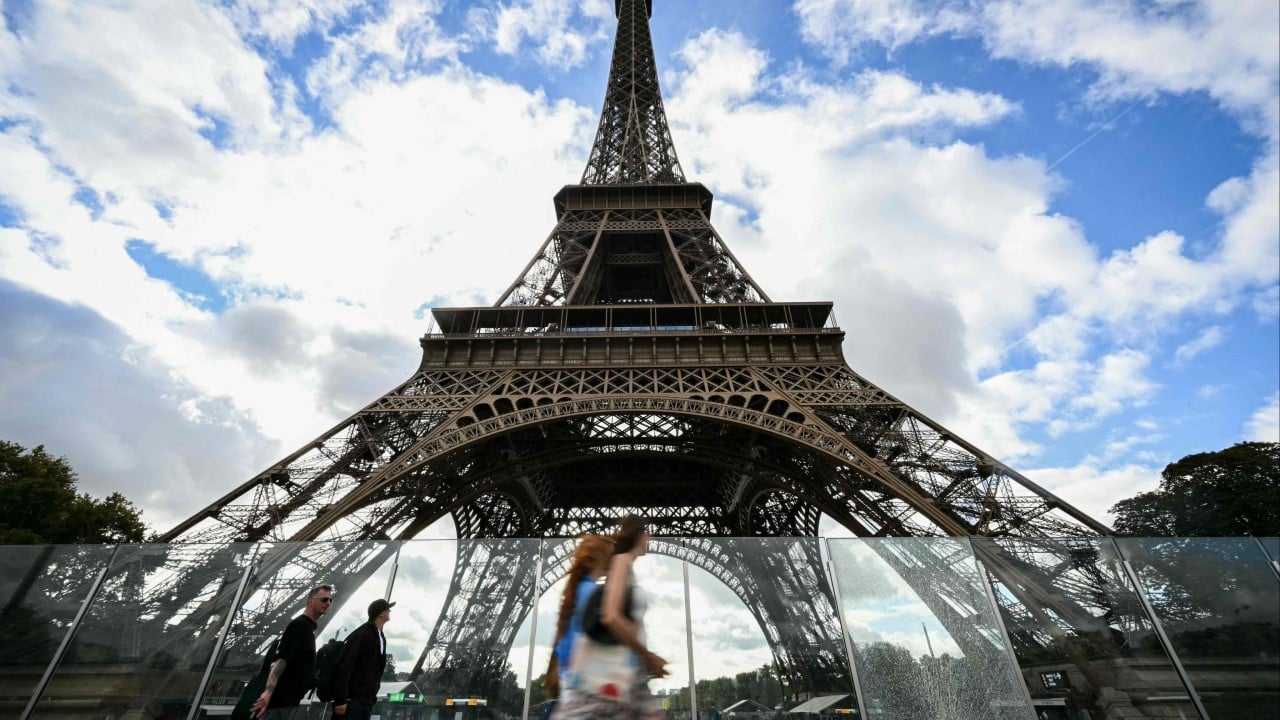
The headlines rolled out with predictable outrage. When the head of the company operating the Eiffel Tower stepped down amid a controversy over staff reassignments for a private VIP visit, the media reached for their favorite script. They blamed corporate cowardice. They framed it as a simple tale of ethical failure, institutional decay, and modern tourism buckling under the weight of political pandering.
It makes for neat copy. It satisfies the outrage machine. And it is completely, lazily wrong.
I have spent two decades advising high-stakes operations managing cultural assets and high-density tourist hubs. I have seen boards panic when security protocols clash with public optics, and I have watched institutional leaders get thrown under the bus to appease a temporary news cycle. The lazy consensus says this is about a single executive losing their moral compass. The reality is far more brutal: monumental tourist attractions across the globe are caught in an impossible structural trap, torn between functioning as sacred national symbols and surviving as hyper-capitalist amusement parks fueled by private wealth.
Focusing on who sits in the CEO chair is a distraction. The system itself is broken.
The Myth Of The Neutral Public Space
We cling to a romanticized fantasy that global landmarks belong equally to everyone at every second. Walk up to the pillars of the Eiffel Tower, or any comparable global monument, and you will see the myth disintegrate. These sites are commercial fortresses masquerading as civic shrines.
When private entities, foreign dignitaries, or corporate titans request exclusive access, they do not just rent a view; they purchase temporary sovereignty. Critics scream about staff being moved aside for a Hindu group's private visit, framing it as an unprecedented assault on egalitarianism. But let us look at the financial mechanics. Public subsidies for heritage sites are shrinking relative to maintenance costs. Monuments require astronomical capital injections just to keep the elevators running and the steel painted.
When a high-paying delegation arrives, the venue operators face a harsh economic truth. They can either prioritize the abstract ideal of universal access or secure the multi-million-euro revenue streams that keep the rust at bay. Pretending these two priorities can coexist without friction is the exact delusion that forced this leadership exit.
Blaming the executive who tried to balance the ledger is like firing the weather forecaster for a hurricane.
The Accountability Trap
Let us examine the corporate governance model running these cultural monoliths. Operating a world-class monument requires the political agility of a diplomat, the financial acumen of a private equity partner, and the thick skin of a wartime general. Yet, we staff these positions with bureaucrats beholden to municipal committees and cultural ministries.
When a crisis hits—such as a disputed staff reassignment or a scheduling clash—the board panics. They do not analyze structural failures. They execute a ritual sacrifice.
Imagine a scenario where a major infrastructure project requires shutting down a public square for a private tech summit, netting the city enough revenue to fund local schools for a year. The public cheers the schools, but screams about the inconvenience. Now replace the tech summit with a religious or diplomatic delegation, and the outrage shifts from inconvenience to identity politics. The operator is damned if they accommodate and damned if they turn the money away.
By forcing leaders out over protocol decisions that are often vetted years in advance by middle management and municipal stakeholders, the governing boards achieve nothing except signaling their own virtue. They substitute public relations theater for actual operational reform.
Why The Critics Are Asking The Wrong Question
The public asks: How could management disrespect everyday tourists by prioritizing a private group?
That is the wrong question entirely. The question you should be asking is: Why are our most treasured cultural monuments forced to hustle like Vegas casinos to pay their utility bills?
When admission prices are kept artificially low to satisfy populist political demands, operators must find revenue elsewhere. Private events, VIP buyouts, and corporate sponsorships become lifeboats. You cannot starve an institution of public funding, mandate populist pricing, and then throw a tantrum when management chases private cash to keep the lights on.
Admitting the downside of this contrarian view is simple: prioritizing financial survival over public accessibility cheapens the cultural value of the site. It turns a cathedral of human achievement into a rented ballroom. But pretending that moral posturing will pay for elevator cables is pure fantasy.
Unconventional Fixes For Broken Heritage Management
If we want to stop this cycle of manufactured outrage and sacrificial executive departures, we need a complete overhaul of how monumental tourism operates.
- Decouple Heritage From Tourism Revenue: Treat preservation as a sovereign defense budget item rather than a self-funding enterprise. If a monument is a national symbol, the state should fund its baseline maintenance unconditionally, removing the desperate scramble for private VIP dollars.
- Radical Transparency On Access: Implement tiered, transparent scheduling for private events. Publish the exact financial contributions of private buyouts and show the public how those funds directly offset general admission costs. Sunlight kills the suspicion that breeds these scandals.
- Professionalize The Boardroom: Replace political appointees on heritage boards with experienced asset managers and infrastructure experts who understand risk, capital allocation, and crisis communications.
The next time an executive steps down amid a storm of manufactured outrage, do not look at the individual. Look at the governance model that set them up to fail. Until we fix the economics of heritage management, the scapegoats will keep changing while the crisis deepens. Stop screaming at the figurehead and start fixing the hull.