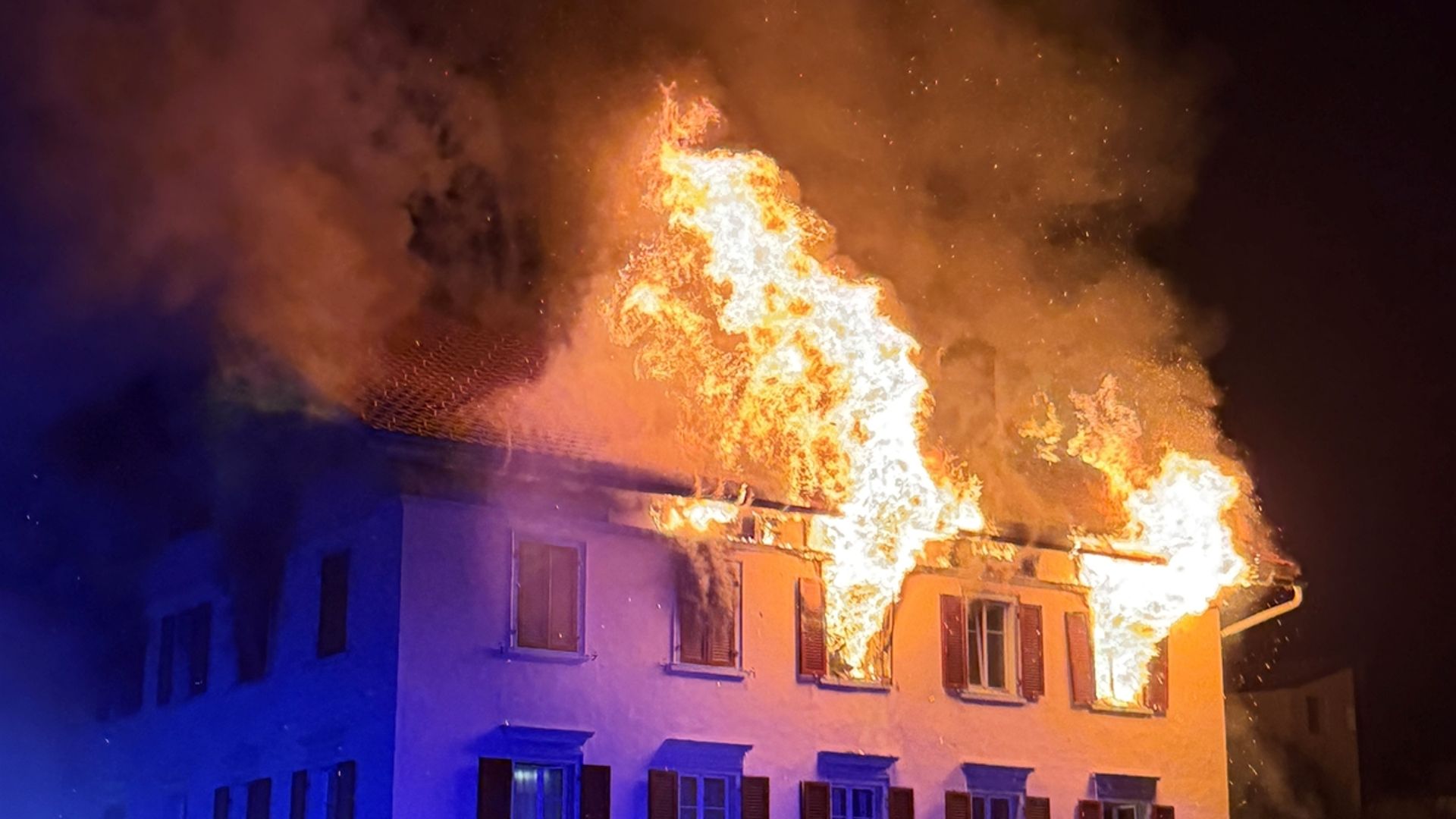
Every time a historic building with apartments upstairs goes up in smoke, the media serves up the exact same lazy narrative. A tragedy happens, investigators nod solemnly, officials mutter about ancient wiring, and the public accepts it as an unavoidable act of God. People shake their heads, mourn the missing residents, and wait for the next disaster.
Stop buying the lie.
I spent two decades consulting on commercial real estate risk and urban architecture, and I have seen municipalities actively legislate these catastrophes into existence. When a restaurant completely destroys a mixed-use building, you are rarely looking at a freak accident. You are looking at the predictable intersection of deferred municipal enforcement, archaic zoning loopholes, and operators who treat fire safety as an optional tax.
The standard news coverage focuses entirely on the grief and the shock. That is a distraction. The real story is that our regulatory framework incentivizes landlords to ignore structural vulnerabilities until the ceiling caves in or the kitchen explodes.
The Mixed-Use Death Trap We Celebrate
Cities love to preach the gospel of mixed-use density. Walkable neighborhoods, trendy bistros on the ground floor, affordable apartments above. It sounds great in urban planning brochures.
The reality is a ticking time bomb.
Commercial kitchens run hot, fast, and greasy for fourteen hours a day. They burn natural gas at high volumes, vent heavy oils through complex duct systems, and rely on staff turnover so high that training on suppression systems is often an afterthought. Directly above this industrial-grade hazard sits residential drywall, old timber framing, and people sleeping in their beds.
Yet, municipal building codes treat these spaces as separate administrative silos. The health department checks the grease traps. The building inspector looks at the apartment exits once a decade. The fire marshal shows up to test extinguishers if someone complains. Nobody looks at the structural synthesis of the building as an integrated system.
When a grease fire flashes into the ventilation chase, it does not respect property lines. It bypasses substandard fire stops installed during a botched renovation in 1984 and races straight into the roof voids.
The Myth of the Unforeseeable Accident
Let us clear up a major misconception right now. People assume that older buildings are inherently unsafe because of their age. That is lazy thinking. Age does not cause fires; neglect does.
Wood-framed structures from a century ago can actually withstand fire remarkably well if they are properly maintained, because old-growth timber chars slowly rather than collapsing instantly like modern engineered lumber. The vulnerability comes when a commercial tenant punches holes through fire-rated brick walls to run electrical lines, or when a landlord refuses to spend twenty thousand dollars upgrading an obsolete fire-damper system because it does not generate immediate rental yield.
I have walked into restaurant basements in historic districts where the electrical panels looked like modern art projects made of copper spaghetti and electrical tape. When I pointed out the hazard, the owners shrugged and told me the local inspector passed it last month.
That is the dirty secret of urban governance. Inspectors are chronically overworked, underpaid, and pressured by local chambers of commerce to keep businesses open. Safety enforcement is treated like bureaucratic red tape to be minimized rather than the absolute baseline for human survival.
The Insurance Shell Game
Insurance companies are supposed to price risk accurately, but they have institutionalized a system of moral hazard.
Landlords buy cheap liability policies that cover property loss, while commercial tenants carry bare-minimum renters or business interruption insurance. When disaster strikes, the insurance payouts trigger a financial reset. Often, the payout is worth more to an absentee landlord than a crumbling building with rent-controlled tenants upstairs.
Think about the financial incentives at play. A landlord with an aging property in a gentrifying neighborhood faces millions in required seismic and fire safety upgrades. If a catastrophic fire clears the slate, the insurance check arrives, the tenants are displaced with a few months of relocation stipend, and the owner clears the lot for luxury condominiums.
I am not suggesting landlords are burning down their own buildings. That is conspiracy nonsense. But I am telling you that the economic penalty for catastrophic structural failure is often zero, while the cost of proactive maintenance is high. When you make negligence profitable, don't be surprised when people neglect their buildings.
How to Fix Urban Density Before It Burns Down
If we actually want to protect residents in mixed-use developments, we need to stop treating fire safety as a compliance checklist and start treating it as an engineering mandate.
First, mandate independent, third-party structural audits for any commercial kitchen operating below residential units. No more relying on municipal inspectors who spend ten minutes walking through a dining room. If you want to cook food beneath human bedrooms, your suppression systems, duct integrity, and electrical loads need to be verified by certified fire protection engineers every single year.
Second, tie insurance premiums directly to verified structural maintenance logs, and make those logs publicly accessible. Tenants have a right to know if the restaurant downstairs passed its last safety audit, just as diners look at health inspection scores on restaurant doors.
Third, hold property owners criminally liable for structural fire code violations when injuries or fatalities occur. Right now, corporate shell companies insulate landlords from personal consequence. Pierce the corporate veil the moment a life is lost due to known, uncorrected fire hazards.
We keep treating these events as tragic mysteries. They are not mysteries. They are math equations, and right now, the numbers favor disaster.
Stop waiting for the next fire to shock you. Demand accountability from the landlords and bureaucrats who trade safety for profit margins.