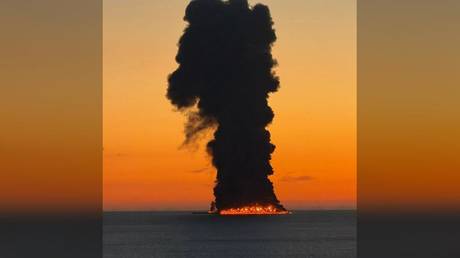
The rules of maritime warfare changed the moment the first unmanned surface vessel struck a hull off the Russian coastline. What used to be a safe corridor for energy transit has transformed into a high-stakes electronic battleground. When oil tankers catch fire following sea-drone strikes near key export hubs, the shockwaves travel far beyond the regional coastline. Global energy markets twitch, insurance premiums skyrocket, and shipowners suddenly realize that traditional nautical safety margins no longer apply.
The New Reality of Asymmetric Naval Warfare
Naval battles used to require multibillion-dollar destroyers and aircraft carriers. Today, a relatively cheap fiberglass hull packed with explosives and guided by satellite navigation can cripple a massive hydrocarbon carrier. We are watching the complete democratization of maritime destruction.
Tankers operating in restricted waters like the Black Sea face an invisible threat vector. These aren't conventional torpedoes launched from submarines. They are low-profile surface drones skimming across dark water, difficult to pick up on standard marine radar until it is far too late. When a strike hits the engine room or fuel tanks, a routine voyage turns into a desperate fight for survival.
How Insurance and Logistics Are Breaking Down
You cannot talk about these attacks without looking at the economic fallout. Maritime insurers are pulling back or charging eye-watering risk premiums for any vessel entering contested zones. Ship captains report turning off their Automatic Identification Systems to avoid tracking, creating a chaotic shadow logistics network where vessels navigate blind.
This environment creates impossible choices for crews and operators. Do you accept a lucrative charter to move oil out of high-risk terminals and risk losing everything, or do you idle your fleet and watch your overhead consume your margins? Many operators are choosing the latter, causing major bottlenecks at key shipping lanes.
The Escalation Spiral
Every successful drone strike prompts a retaliation cycle. When tankers are hit, military analysts immediately look at who benefits and how the opposing side will respond with air or missile strikes on port infrastructure. This tit-for-tat dynamic pushes the conflict closer to NATO's doorstep, as stray debris and disabled vessels drift dangerously close to the territorial waters of alliance members like Romania and Bulgaria.
Governments in the region are scrambling to deploy counter-drone defenses, but protecting hundreds of miles of open coastline is practically impossible. Surveillance flights from allies help, yet they only offer early warning, not absolute protection.
What This Means for Global Energy Flow
Energy markets hate uncertainty more than they hate high prices. Every time a tanker burns off a strategic coast, traders price in the risk of severe supply shocks. The old assumption that commercial shipping lanes are protected under international law has eroded.
If you're tracking global commodity flows, you have to accept that maritime risk is structural now, not temporary. Shipowners are rewriting contracts, rerouting vessels through longer paths, and investing heavily in onboard electronic countermeasures. The Black Sea is serving as a brutal testing ground for the future of naval conflict, proving that traditional heavy fleets are increasingly vulnerable to agile, low-cost drone technology.