Bhutan has a reputation as the last Shangri-La. People picture pristine mountain monasteries, carbon-negative forests, and roaring rivers. For decades, that water did all the heavy lifting. Giant hydroelectric dams powered the entire nation and fueled a lucrative export market to India.
Yet, relying solely on rushing glacial streams carries a massive blind spot. When winter arrives, glacial runoff slows down. River levels drop. Suddenly, a country sitting on an ocean of clean energy finds itself buying electricity from fossil-fuel-dependent neighbors during peak cold months.
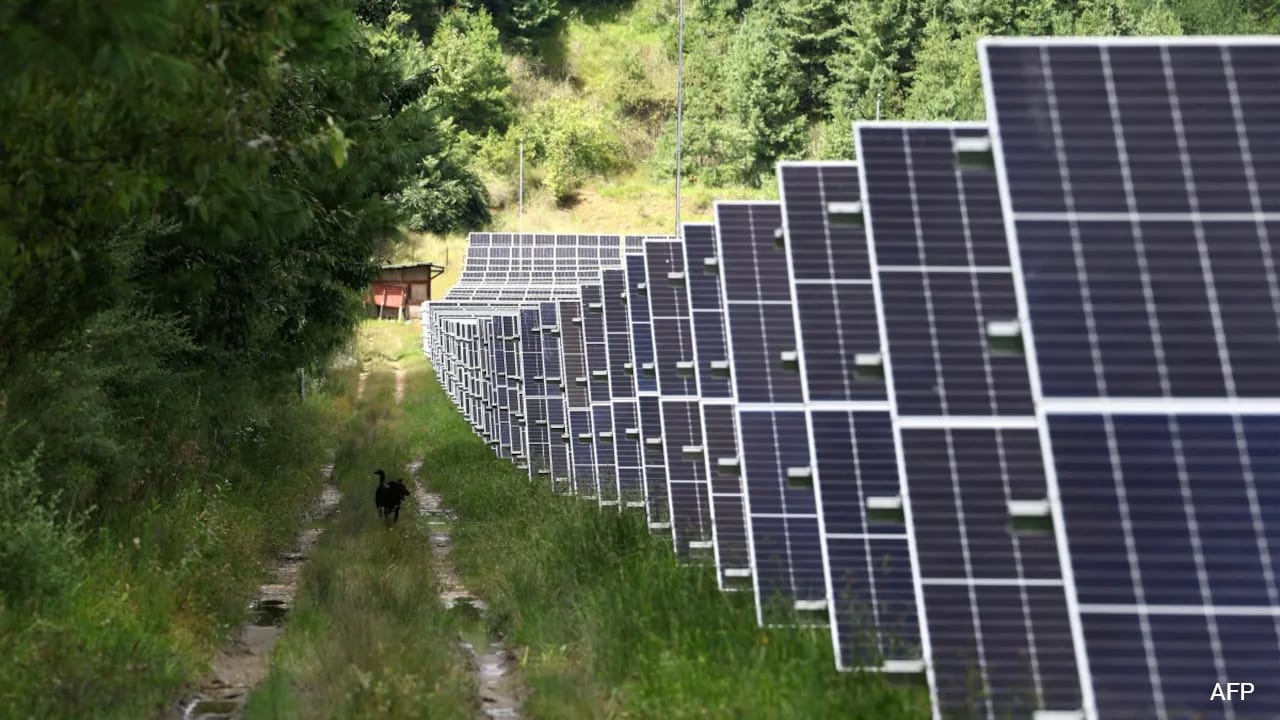
That irony broke the traditional playbook. The kingdom is diversifying its power grid by embracing solar energy. It sounds counterintuitive for a mountainous country famous for hydropower, but it makes complete engineering and economic sense.
The Winter Power Crunch No One Talks About
Everyone assumes a nation with heavy monsoon rains and steep gorges never worries about energy shortages. The reality on the ground tells a totally different story.
During the summer months, hydro plants hum at maximum capacity. Bhutan generates a massive surplus of electricity. They sell power to India, bringing in steady revenue. But geography dictates a brutal seasonal cycle. Between December and February, river discharge plummets.
At the same time, freezing temperatures drive up domestic heating demand. Space heaters turn on. Water heaters run overtime. For a brief window each winter, local demand spikes while domestic generation dips.
The government faced a stark choice. Keep importing pricey electricity during cold snaps or find an energy source that peaks when rivers run low.
Why Solar Fits the Himalayan Climate
Solar power in high-altitude environments performs differently than standard suburban rooftop setups in lower elevations. Thin mountain air filters out less radiation. Crisp, cold winter days actually boost photovoltaic panel efficiency because solar cells hate overheating.
Bhutan gets plenty of clear, sunny days even when temperatures drop below freezing. While the rivers freeze up or slow down, the winter sun beats down on southern valleys and cleared mountain slopes with surprising intensity.
Pairing solar with existing hydro assets creates a natural seasonal battery. Hydro handles the heavy lifting during summer and peak evening hours. Solar steps in during bright winter days to handle base loads and conserve reservoir water for evening demand spikes.
It transforms a single-source vulnerability into a resilient hybrid grid.
Overcoming Terrain and Logistics Hurdles
Building utility-scale solar farms in a country dominated by sheer cliffs and deep valleys isn't straightforward. Flat land is scarce. Most available acreage sits on terraced farmlands or protected ecological corridors where heavy construction causes environmental friction.
Engineers have to be creative. Instead of clearing massive swaths of forest, projects focus on decentralized installations. Rooftop solar on government buildings, schools, and commercial hubs cuts down transmission losses. Smaller ground-mounted arrays sit on rocky, unproductive patches of land that cannot support agriculture.
Importing heavy hardware into landlocked mountain terrain adds another layer of friction. Every inverter, mounting bracket, and photovoltaic module travels thousands of miles by ship and truck over winding mountain passes.
Despite these hurdles, pilot projects have proven successful. The shift is moving from experimental tests to national strategy.
What This Means for the Regional Energy Market
Bhutan's pivot offers a blueprint for other rugged nations dependent on single renewable sources. Climate change makes weather patterns erratic. Monsoons arrive late. Glaciers melt faster. Relying on historical weather averages is a gamble nobody should take.
By building out solar infrastructure, Bhutan protects its domestic economy from price shocks. They keep more clean energy inside their borders when they need it most, rather than buying dirty power from coal-fired grids abroad just to keep the lights on in Thimphu.
The transition proves that even the greenest nations must keep evolving. True sustainability isn't about finding one perfect resource and sticking to it forever. It is about balancing systems so they cover each other's blind spots.
Start looking at your own energy assumptions. Diversity matters more than purity, and adaptation beats tradition every single time.