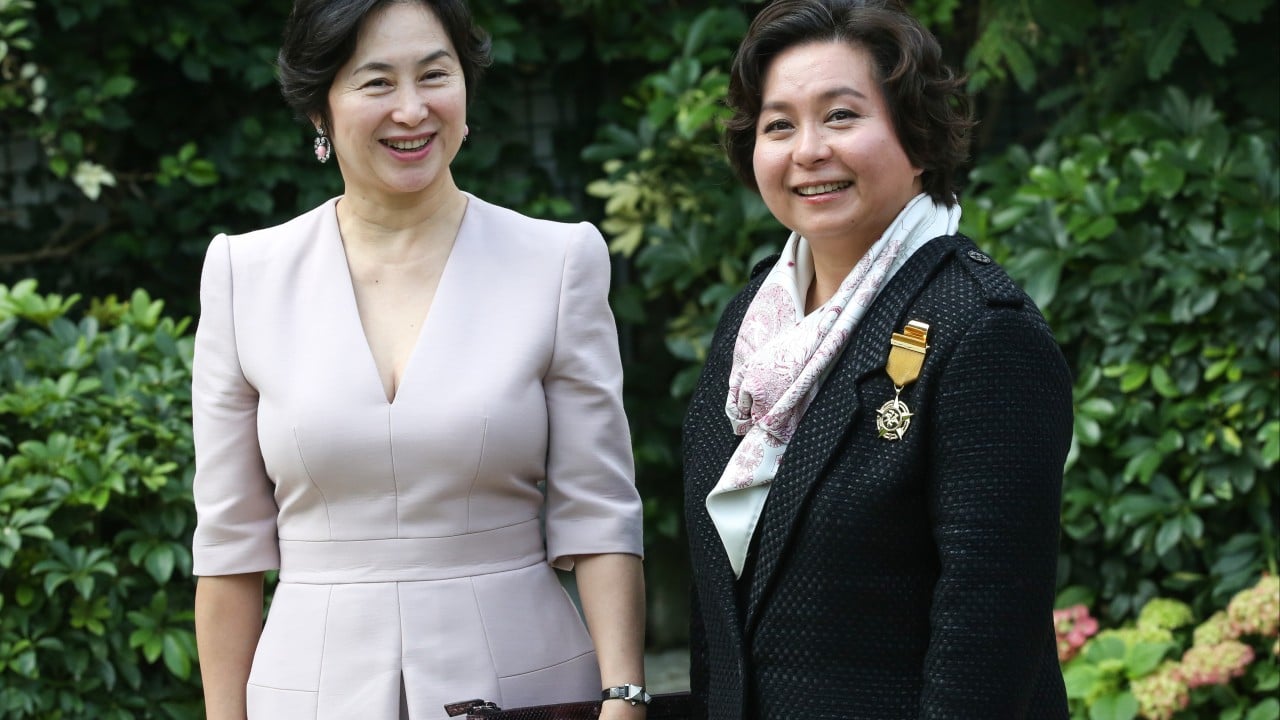
When people think of the Ho family name, their minds jump to the massive, neon-lit casinos of Macau. They think of high-stakes business and inherited fortunes. But there was another side to the story that rarely made the headlines, and it’s a side that deserves much more attention following the passing of Maisy Ho Chiu-ha on April 12, 2026.
Most media outlets painted her simply as an executive at Shun Tak Holdings. While true, that title barely scratches the surface of how she actually spent her time. She didn’t just sit in air-conditioned offices. She was, quite frankly, everywhere else, pushing for things that didn’t always guarantee a high return on investment but mattered deeply to the people of Hong Kong.
A Different Approach to Legacy
Maisy Ho didn’t treat her role in the family conglomerate as a way to coast. She treated it as a base of operations. She understood, perhaps better than many of her peers, that extreme wealth often creates a bubble. She spent years trying to pop that bubble by engaging directly with the social sector.
You’d see her name on the board of the Tung Wah Group of Hospitals. That isn't a vanity project. It’s a grind. Dealing with a century-old hospital system requires navigating bureaucracy, managing complex redevelopments, and caring about things like patient waiting times and service quality. She wasn’t just a donor who signed a check and vanished. She showed up. She sat in meetings. She listened to the complaints of staff and patients alike.
Why She Focused on Healthcare and Youth
Her involvement in public service wasn't random. She had a clear strategy. She targeted two specific areas: healthcare accessibility and youth development.
- Healthcare: She joined the Hospital Authority board in 2021. She didn't just attend the big, ceremonial meetings. She took a hands-on interest in the redevelopment of aging facilities like the century-old Kwong Wah Hospital. She openly talked about how she learned to value public-private partnerships, not just as a business concept, but as a literal way to lower the burden on a strained system.
- Youth: She was a long-time advocate for student exchange programs between Hong Kong and Mainland China. She wanted to broaden horizons. She firmly believed that if you don't expose younger generations to different perspectives early on, you’re setting them up for failure.
Many executives view CSR, or corporate social responsibility, as a branding exercise. Maisy was different. She often talked about the teachings of her father, Stanley Ho, regarding using resources from the community for the good of the community. She seemed to take that mandate seriously, often pushing her own companies to pivot during crises, like when she pushed for practical changes in retail operations during the pandemic.
The Reality of Her Public Service
It’s easy to dismiss someone of her background as just another wealthy figurehead. But the evidence suggests she was genuinely engaged. When the Hospital Authority chair, Henry Fan, spoke about her, he didn't talk about her business acumen. He talked about her "enthusiasm for public services" and the "constructive advice" she offered to improve public hospital care.
She was also a recipient of the Bronze Bauhinia Star in 2016, an honor that, in Hong Kong, is genuinely earned through years of civic contribution, not just handed out for being rich. She didn't seek the spotlight. In fact, she lived a notoriously private life. She wasn't chasing paparazzi or trying to build a personal brand on social media. She just did the work.
What We Can Learn From Her Path
If you’re looking at her life and wondering what you can actually take away, it’s not about having her bank account. It’s about how she chose to spend her influence.
- Don't stay in your own lane: If you have a specific skill set—whether that’s finance, logistics, or management—you can apply that to a non-profit. They don't just need money; they need organizational discipline.
- Persistence pays off: Improving a century-old hospital system is hard, boring, and thankless work. She did it for years. Don't look for the quick win in your community work.
- Be present: She visited the sites. She understood the operational challenges of a hospital building site. If you want to help a cause, go to where the work is actually being done.
Maisy Ho’s death at 59 serves as a sharp reminder that status is temporary. What remains, really, is what you managed to improve for the people around you. She wasn't just another name in the business sections of the newspapers. She was a dedicated public servant who chose to spend her limited time on this planet trying to make a massive, complicated city a little more bearable for the people who lived in it. That’s the legacy that actually matters.