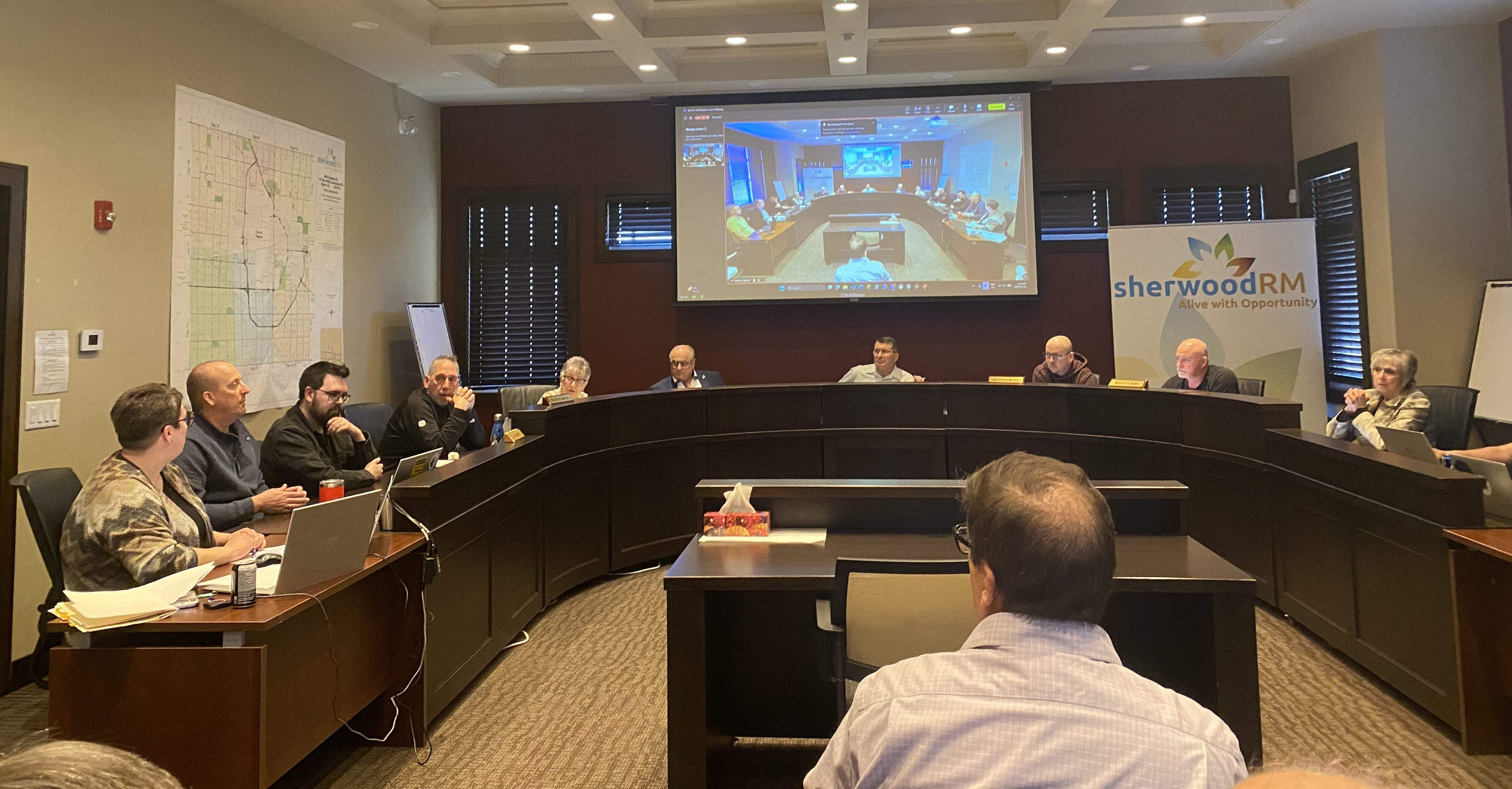
The shouting started before the first vote was even cast. Local councils usually deal with mundane things like trash schedules or park upgrades, but the recent hearing for the Bell AI Data Centre turned into a full-scale battleground. People aren't just worried about a big building. They're terrified of what an AI-driven infrastructure surge actually means for their backyard.
You’ve probably seen the headlines about "chaotic protests," but the noise masks a much deeper tension between the tech industry’s thirst for power and a community’s right to peace. This isn't just about a local zoning dispute. It's a preview of the friction we’ll see everywhere as the physical demands of artificial intelligence collide with reality.
The Approval That Set the Room on Fire
The local council gave the green light for Bell’s massive facility, but they did it while security guards were literally holding back protesters. It wasn't a quiet "yes." It was a decision made under extreme pressure, following months of heated debate. The project is a sprawling complex designed to house the heavy-duty hardware required to run large language models and generative AI tools.
Bell argued that this center will put the region on the map as a tech hub. They promised jobs. They promised tax revenue. But for the people living a few hundred yards from the site, those promises felt like a bribe. The primary concerns aren't just aesthetic. We're talking about massive energy consumption, water usage for cooling, and the constant hum of industrial-grade fans that never stop spinning.
Why AI Infrastructure Is Different from Your Average Warehouse
Most people think of data centers as quiet, sterile boxes full of blinking lights. That was yesterday’s cloud storage. AI data centers are a different beast entirely. They run hotter. They eat more electricity. They require more cooling.
When you ask a chatbot to write a poem or analyze a spreadsheet, a server somewhere pulls a massive amount of power to perform those calculations. Multiply that by millions of users, and you get a facility that puts a strain on the local grid. In some regions, data centers already consume more power than the surrounding residential neighborhoods combined.
The Bell facility is slated to use advanced liquid cooling systems, which sounds high-tech until you realize how much water that involves. Protesters at the council meeting kept coming back to one point. Where does that water come from during a drought? Bell hasn't given a straight answer that satisfies the locals. They point to "efficiency metrics," but residents care about the local reservoir level, not a corporate spreadsheet.
The Job Myth That Tech Giants Keep Using
Let’s be honest about the "job creation" angle. It’s the favorite talking point for any developer trying to get a project through council. They tell you it'll create hundreds of local jobs.
Here’s the reality. Construction creates jobs for a year or two. Once the building is finished, it becomes a skeleton crew operation. You need security, a few specialized technicians, and some maintenance staff. You aren't seeing a thousand local residents suddenly getting hired as AI engineers. Most of the high-level work is handled remotely or by specialized teams flown in from headquarters.
The community sees this trade-off clearly. They get the noise, the traffic during construction, and the strain on resources, while the "economic boom" mostly flows back to the corporate office and a handful of specialized contractors.
Noise Pollution and the 24-7 Hum
If you've ever lived near a server farm, you know about the "drone." It’s not a loud bang. It’s a persistent, low-frequency vibration from the cooling units. It seeps through walls. It ruins the quiet of a suburban evening.
During the Bell hearing, one resident brought a recording of a similar facility. They played it for the council members. It’s an irritating sound that most environmental impact studies downplay. The council approved the project anyway, citing that the noise levels "fall within acceptable industrial limits."
The problem is that those limits were written for factories that shut down at 5 PM. AI never sleeps. The data center will be running at full tilt on a Tuesday at 3 AM just as much as a Friday afternoon. For the people whose property values are now tied to that sound, the council’s decision feels like a betrayal of the very people they represent.
What Happens When Tech Outpaces Regulation
Our current laws aren't ready for the AI land grab. Zoning boards are using 20th-century rules to manage 21st-century technology. Most local governments don't have the expertise to challenge the technical claims made by companies like Bell. When a multi-billion dollar corporation brings in a team of consultants and data scientists to say a project is "sustainable," a part-time council member doesn't always have the tools to push back effectively.
The Bell approval happened because the council saw a "now or never" opportunity. They didn't want to be the town that said no to the future. But in their rush to be "pro-tech," they might have ignored the long-term environmental costs.
The Real Winner in This Chaos
The investors are the ones popping champagne. For Bell, this approval is a massive win. It secures their footprint in a strategic location with existing fiber-optic access. Every day of delay was costing them millions in potential compute time.
The protesters lost this round, but they’ve started a movement that’s spreading to other cities. We’re seeing similar groups popping up in Virginia, Ireland, and the Netherlands. People are realizing that "the cloud" isn't some magical, weightless thing. It’s made of steel, concrete, and huge amounts of electricity.
If you're a local resident or an activist, the strategy is shifting. It's no longer just about shouting in meetings. It's about demanding transparency on water usage and pushing for "noise-neutral" guarantees that are legally binding, not just "goals" in a brochure.
How to Prepare for the Next Data Center Hearing
If a project like the Bell AI Data Centre is proposed in your area, don't wait for the final vote to get involved. By the time it reaches the council, the deal is often already done behind closed doors.
- Request the Water Impact Study: Don't settle for "net-zero" promises. Ask for the specific gallon-per-day requirements during peak summer months.
- Demand a Third-Party Noise Audit: Corporate-funded studies are biased. Demand that the city hires an independent acoustic engineer.
- Check the Grid Capacity: Ask the local power utility if the facility will lead to rate hikes for residential customers. Often, the infrastructure upgrades needed for these centers are subsidized by the public.
- Verify the Job Claims: Ask for a breakdown of permanent local jobs versus temporary construction roles.
The Bell approval is a done deal, but it’s a loud wake-up call for everyone else. AI is coming to the physical world, and it doesn't always come quietly. Keep an eye on your local zoning board agendas. The next "chaotic protest" might be happening on your street sooner than you think.
Start organizing your neighborhood groups now. You need a unified voice before the first bulldozer arrives. Once the concrete is poured, there's no going back.