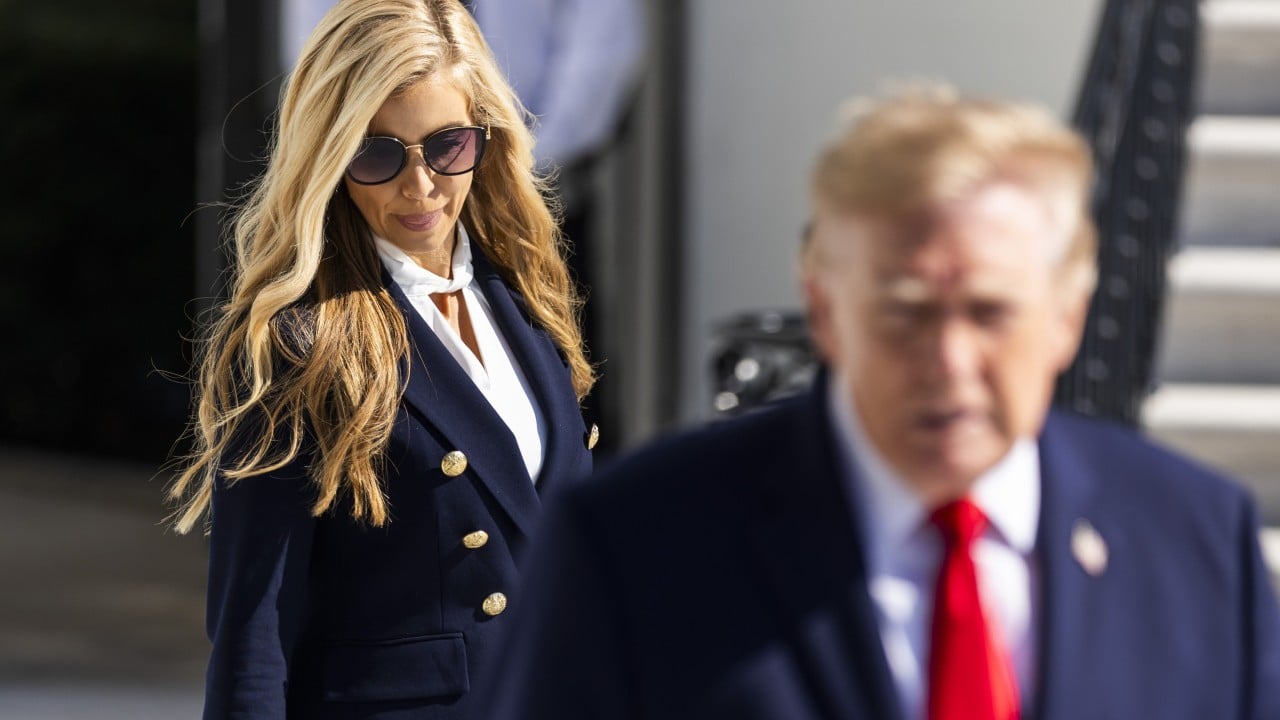
A five-day tenure at the White House podium isn't usually long enough to trigger a diplomatic clapback from Beijing, yet Katie Zacharia managed it in mid-October 2026. In an interview that aired on October 15, Zacharia dismissed past perceptions of China's rapid rise by saying the country lacked "proper toilets". The next day, Chinese Foreign Ministry spokesperson Mao Ning stepped up to the lectern and told reporters that Beijing welcomed Zacharia to visit "more often when she has the opportunity".
On the surface, it sounds like a petty viral spat over bathroom fixtures. Look closer and you'll see why this minor flare-up actually matters. Zacharia had lived in Beijing earlier in her career, worked at a major Chinese law firm, and had already been facing fierce scrutiny at home over her credentials before her brief stint in the press room ended. Meanwhile, Beijing has spent years treating public sanitation and travel infrastructure as a point of national prestige, turning a casual jab into a handy way to score points on the global stage.
What Actually Happened in October 2026
The timeline moved fast, and plenty of people mixed up the order of events because Zacharia's time in the role was so brief. President Donald Trump appointed her as the 37th White House press secretary in mid-October 2026. Right away, reporters and critics dug into her background, questioning how she described her legal qualifications after she acknowledged not having passed a U.S. bar exam.
While that controversy was brewing, an interview surfaced in which Zacharia pushed back on earlier assumptions about China's ascent by pointing to basic facilities—specifically claiming the country didn't have "proper toilets". For anyone who has ever traveled across China, that line lands with a weird thud. Depending on where you go, you'll still run into squat toilets in older stations, rural rest stops, or tucked-away alleys, right alongside spotless, high-tech stalls in modern airports, malls, and hotels. Calling the whole country devoid of proper toilets makes it sound like a sweeping generalization rather than a nuanced observation about uneven infrastructure.
At China's regular foreign ministry press briefing on October 16, 2026, Mao Ning addressed the remark directly from the official transcript. Rather than launching into an angry tirade, Mao leaned into dry, deadpan hospitality. Saying Beijing welcomed her to come back more often when she had the chance was a classic diplomatic brush-off: come see for yourself if you haven't been paying attention.
Right around that same window, Zacharia's tenure as press secretary came to an abrupt end after just five days, making her the shortest-serving press secretary in U.S. history. That whiplash is why social media clips kept conflating her bathroom comment, her credential questions, and her rapid exit into one giant pile-on.
Why Her Beijing Background Complicates the Jab
What makes Zacharia's comment stickier than a typical political gaffe is her prior connection to China. She wasn't talking like someone who had never set foot outside a Washington beltway studio. Public reporting notes that she lived in Beijing and worked at Zhong Lun Law Firm from 2011 to 2013.
Living in a city for two years gives you real, on-the-ground texture, yet it can also freeze your mental map in time if you rely on old impressions. China between 2011 and 2013 looked very different from China in 2026 in terms of urban transit, commercial districts, and public amenities. Even back then, though, Beijing had international offices, upscale hotels, and modern commercial buildings right next to older neighborhood lanes.
There's also a practical lesson here for anyone speaking about foreign countries in public life. If you've lived somewhere, people expect sharper context from you, not a punchline that flattens a massive, uneven country into a single gripe. When you use a blunt generalization like "no proper toilets," critics won't debate the fine points of plumbing standards—they'll just treat the remark as sloppy or dismissive.
Why Toilets Are a Sensitive Nerve in China
If you're wondering why a Chinese foreign ministry spokesperson even bothered answering a comment about toilets, you have to understand how sanitation became a symbol of modernization in China. Over the past decade-plus, authorities have heavily publicized what became widely known as the "toilet revolution," pushing upgrades to public restrooms at tourist attractions, transport hubs, and rural areas.
Academic research on China's sanitation push—including work published in journals like Journal of Environmental Management and studies on rural and urban toilet standards—highlights how big and messy that project actually is. Building or retrofitting facilities across hundreds of millions of people isn't just about porcelain. It involves water supply, sewage and fecal sludge treatment, maintenance budgets, local enforcement, and cultural habits around squat versus sit-down designs.
In my experience watching how foreign media and political figures talk about travel in China, expectations around restrooms are almost always a flashpoint. Western travelers often judge convenience by whether there's a Western sit-down bowl, toilet paper provided inside the stall, and a door latch that actually works. Local standards and urban realities can vary wildly from one block to the next, even in major cities.
So when a U.S. official brings up toilets in connection with China's development, Beijing doesn't just hear a joke. It hears a challenge to its narrative of modern competence, especially at a moment when U.S.–China ties are already tense despite high-level contacts between Washington and Beijing.
Common Misconceptions This Story Sparks
Whenever a story like this trends, the hot takes get ahead of the facts fast. Here are a few things people routinely get wrong:
- That China has zero modern bathrooms: False. Major cities, high-speed rail stations, modern shopping centers, and international hotels have plenty of modern Western-style toilets. What varies is consistency, especially in older neighborhoods, smaller towns, or busy public venues.
- That Mao Ning's invite was a formal state summit: Not even close. It was a pointed, slightly wry remark during a routine foreign ministry press briefing in response to a journalist's question.
- That the toilet remark alone ended her press secretary job: There's no evidence that single interview line was the sole reason she left after five days. Her brief tenure was already surrounded by intense scrutiny over her background and legal credentials.
How to Read Diplomatic Clapbacks Without Getting Fooled
Viral exchanges between Washington and Beijing are designed to entertain, not to inform. A few simple habits will keep you from falling for exaggerated clips or half-baked commentary:
- Check the date and sequence of events. Fast-moving news cycles frequently mash together remarks from one day with personnel shakeups from another. Look at when the interview aired versus when the official response happened.
- Read the actual transcript when possible. Short video clips strip away tone, context, and the exact question a spokesperson was answering.
- Separate infrastructure reality from political theater. A government's PR push around modernization doesn't mean every public restroom in the country is spotless, and a politician's one-liner doesn't capture what a country of over a billion people actually looks like today.
If you're researching U.S.–China communications or traveling to the region yourself, look past the punchlines and check recent travel reports, official transcripts, and independent infrastructure reporting to get the real picture.

