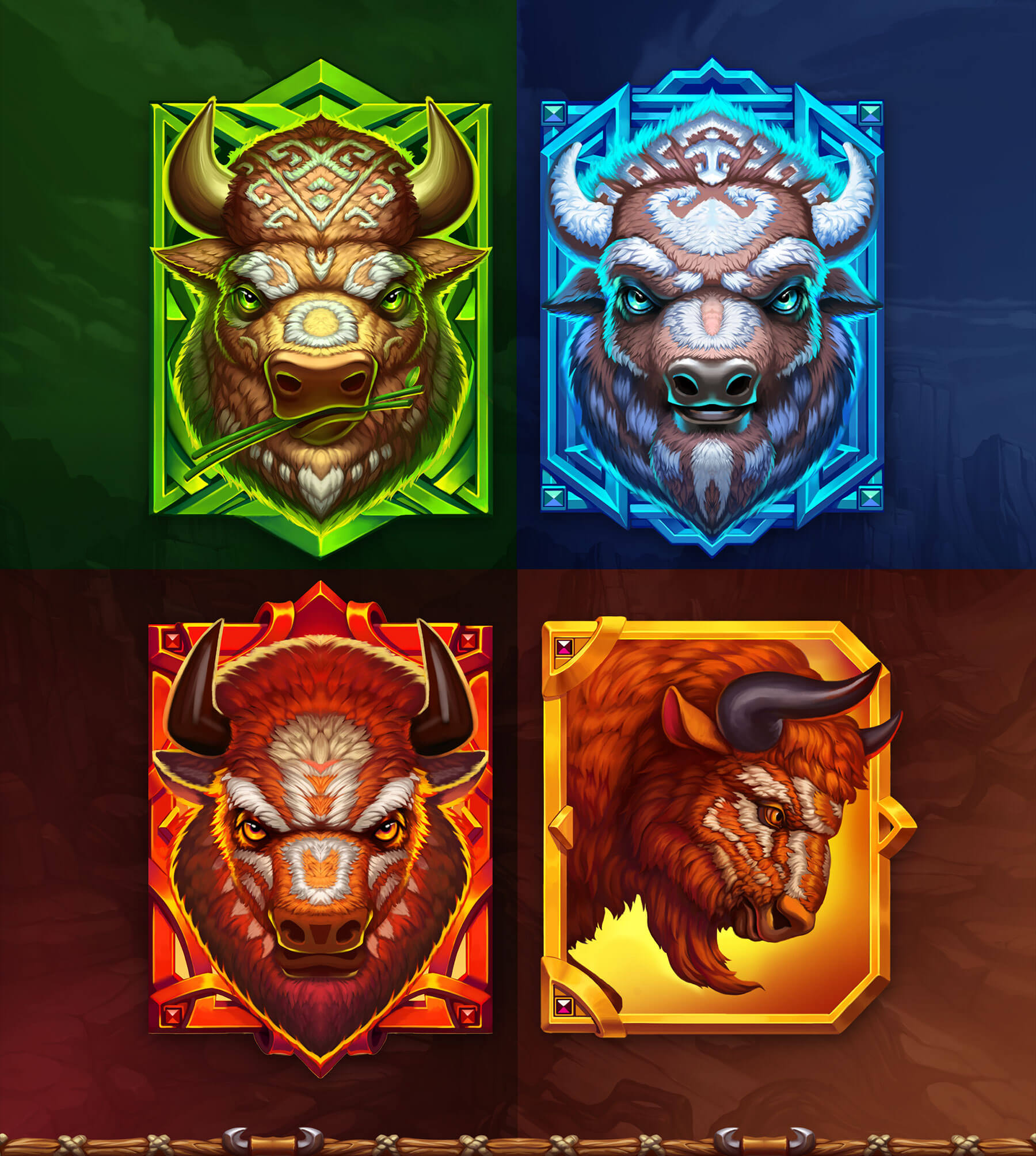
Bison aren’t just large animals wandering across the plains. They’re the heavyweights of the American ecosystem. For decades, conservationists and tribal nations worked to bring them back from the brink of extinction. Now, those efforts face a massive roadblock. The Trump administration’s push to prioritize grazing rights for cattle over the protection of wild bison is sparking a fresh war over the soul of the American West. It’s a classic showdown between short-term industry interests and long-term ecological health.
If you think this is just about a few thousand animals, you're missing the point. It’s about who gets to decide what happens to our public lands. For over a century, the federal government favored cattle ranchers. They got cheap access to grass, while native species like bison were fenced out or shipped off to slaughter. We’re seeing a return to that old-school mentality, and it’s a disaster for biodiversity.
Why Bison Matter More Than Cattle for the Land
Cattle and bison might look similar if you’re squinting from a mile away, but they treat the ground very differently. Cattle tend to hang out near water sources. They’ll stay in one spot until the grass is nubby and the soil is compacted. This leads to erosion and ruins the habitat for birds and fish.
Bison are different. They move. They’re built for the long haul. They graze as they travel, which gives the vegetation a chance to recover. Their wallowing—the way they roll around in the dirt—creates depressions that hold rainwater. These tiny ponds become breeding grounds for insects and watering holes for smaller animals. Research from the World Wildlife Fund shows that bison grazing patterns actually increase the variety of plant life in a prairie. Cattle don't do that. They’re an invasive species managed like a crop. Bison are a keystone species that manage the land themselves.
When the government talks about "evicting" bison to make room for more cows, they’re choosing a less efficient, more damaging version of agriculture over a self-sustaining natural system. It’s bad science and even worse policy.
The Politics of Fences and Feed
The current administration isn't hiding its bias. The Department of the Interior has been increasingly cozy with the Public Lands Council and other lobbying groups representing the ranching industry. Their argument is simple. They claim bison compete with cattle for forage. They also lean heavily on the fear of brucellosis, a disease that can cause cattle to abort their calves.
Here’s the thing about brucellosis. It hasn't been transmitted from wild bison to cattle in a ranch setting in decades. Most transmissions actually come from elk, but you don't see anyone calling for a mass elk cull to protect the beef industry. The disease is a convenient excuse to keep bison confined to small pockets like Yellowstone National Park.
By framing bison as a threat to "working landscapes," the administration tries to paint conservationists as out-of-touch elites. But ask the InterTribal Buffalo Council. They represent over 80 tribes across the country. For them, bison aren't a political talking point. They’re a cultural and spiritual necessity. Denying bison the right to roam on public land is a direct hit to tribal sovereignty and historical restoration efforts.
The Economic Reality of the Great Plains
We’re told that cattle ranching is the lifeblood of the rural West. That’s true in some spots, but it’s a shrinking piece of the pie. Tourism and outdoor recreation are booming. People don't fly across the world to look at a Hereford cow behind a barbed-wire fence. They come to see the wildness of America. They come to see the "Thunderbeast."
A study by Headwaters Economics found that counties near protected public lands with visible wildlife see faster job growth and higher personal income than those reliant purely on extraction or traditional agriculture. Restoring bison herds creates a massive draw for eco-tourism. It’s a sustainable economic engine. Shoving bison aside for a few more grazing permits is like burning your furniture to keep the house warm for one night. It’s a short-sighted play that ignores where the real money is moving.
What Happens When We Lose the Herd
If the plan to limit bison range succeeds, we lose more than just a cool animal. We lose the resilience of the prairie. We’re facing crazier weather patterns and longer droughts. Bison are adapted to this. They can survive winters that would kill off entire herds of cattle. They can find food under deep snow. They’re the perfect residents for a changing climate.
Cattle require massive amounts of human intervention. They need hay, supplements, and often, pumped-in water. Bison just need space. By restricting that space, the government is forcing us into a high-maintenance land management style that won't hold up in the long run. We’re trading a hardy, native survivor for a fragile, high-cost substitute.
The Path Forward for Public Land
We need to stop viewing public land as a handout for a single industry. It’s a shared resource. The first step is ending the "management by slaughter" approach used at park borders. Instead of killing bison that wander out of Yellowstone, we should be creating wildlife corridors that allow them to move onto other federal lands managed by the Bureau of Land Management (BLM).
The BLM currently manages about 245 million acres. Only a tiny fraction of that is available to bison. Changing the grazing permits to allow for "indigenous species grazing" would be a massive win. It wouldn't even require new laws—just a shift in how current regulations are applied.
Support the organizations fighting these lawsuits. The Western Watersheds Project and the Center for Biological Diversity are constantly in court trying to stop these rollbacks. They need the resources to keep the pressure on. Talk to your representatives about the Buffalo Nations Heritage Act. It’s time we treated our national mammal with the respect it deserves instead of treating it like a nuisance. The bison were here first. They’ve done more for this land than any policy or politician ever will. If we want a healthy, wild West for the next century, we have to let the herds walk.