At 6:15 in the morning, before the tour buses rumble down Constitution Avenue and before the marble monuments catch the first pink light of dawn, East Potomac Park belongs to the ghosts and the regulars.
You can smell the river first. The Potomac carries a thick, metallic scent of wet silt, decaying leaves, and diesel from an early barge. Then comes the sound of metal cleats clicking on damp asphalt. For decades, this peninsula of reclaimed river mud—tucked just south of the Jefferson Memorial and technically an extension of the National Mall—has been one of the great democratic equalizers in the United States. For thirty-five dollars, a retired postal worker from Anacostia, a twenty-two-year-old congressional intern with borrowed clubs, and a diplomat from the nearby embassy row can stand on the exact same tee box. They look out over the same sluggish water. They hit the same battered range balls.
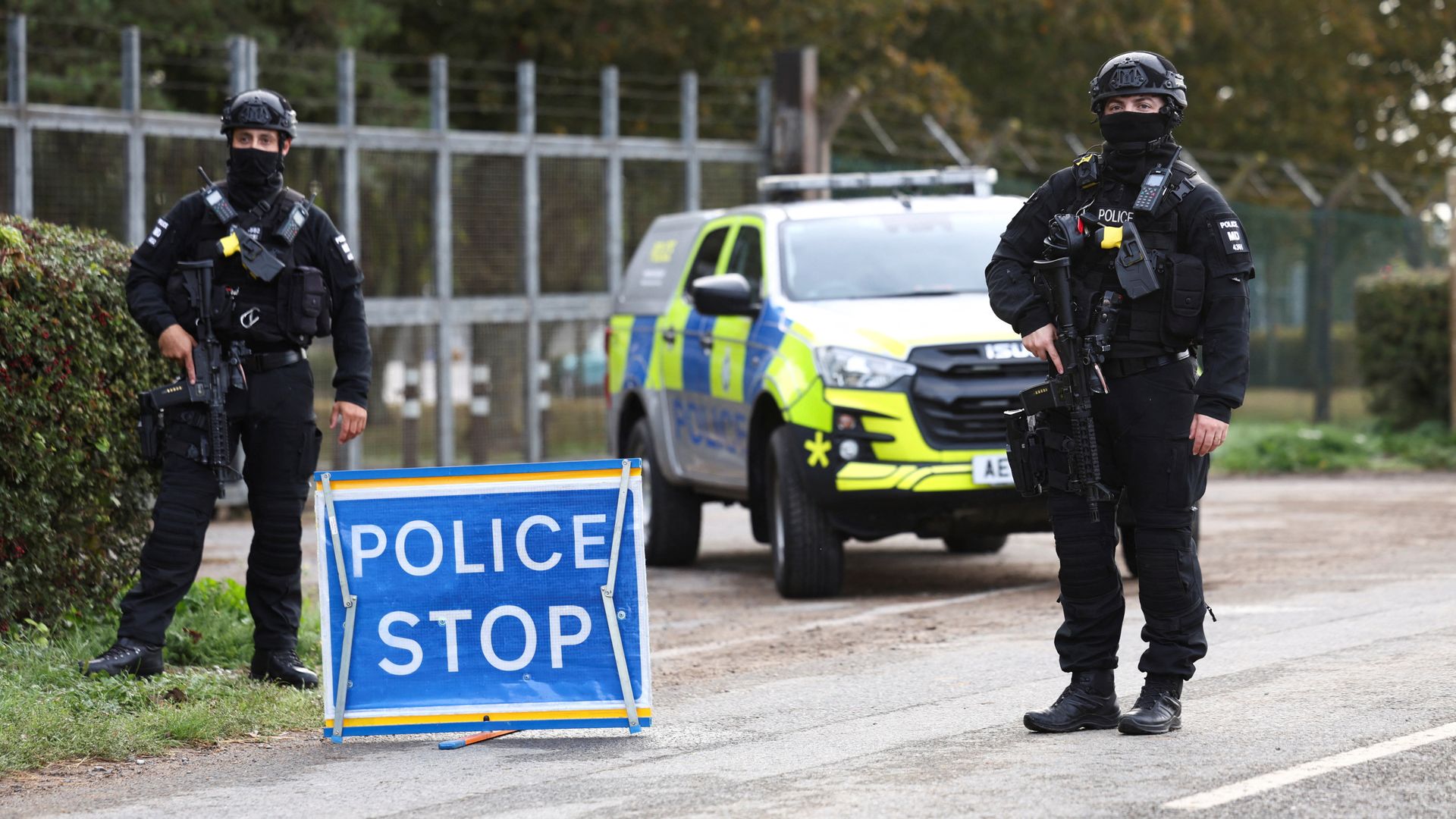
Now, imagine—and let us call this a hypothetical picture, though the blueprints are real enough—walking down that familiar path to find a twelve-foot wrought-iron security fence barring the way. Behind the bars, the scruffy municipal fairways have been sculpted into championship turf. The concrete snack bar, where you used to buy a lukewarm hot dog wrapped in foil, has been replaced by a limestone clubhouse accessible only to those whose names appear on a private ledger.
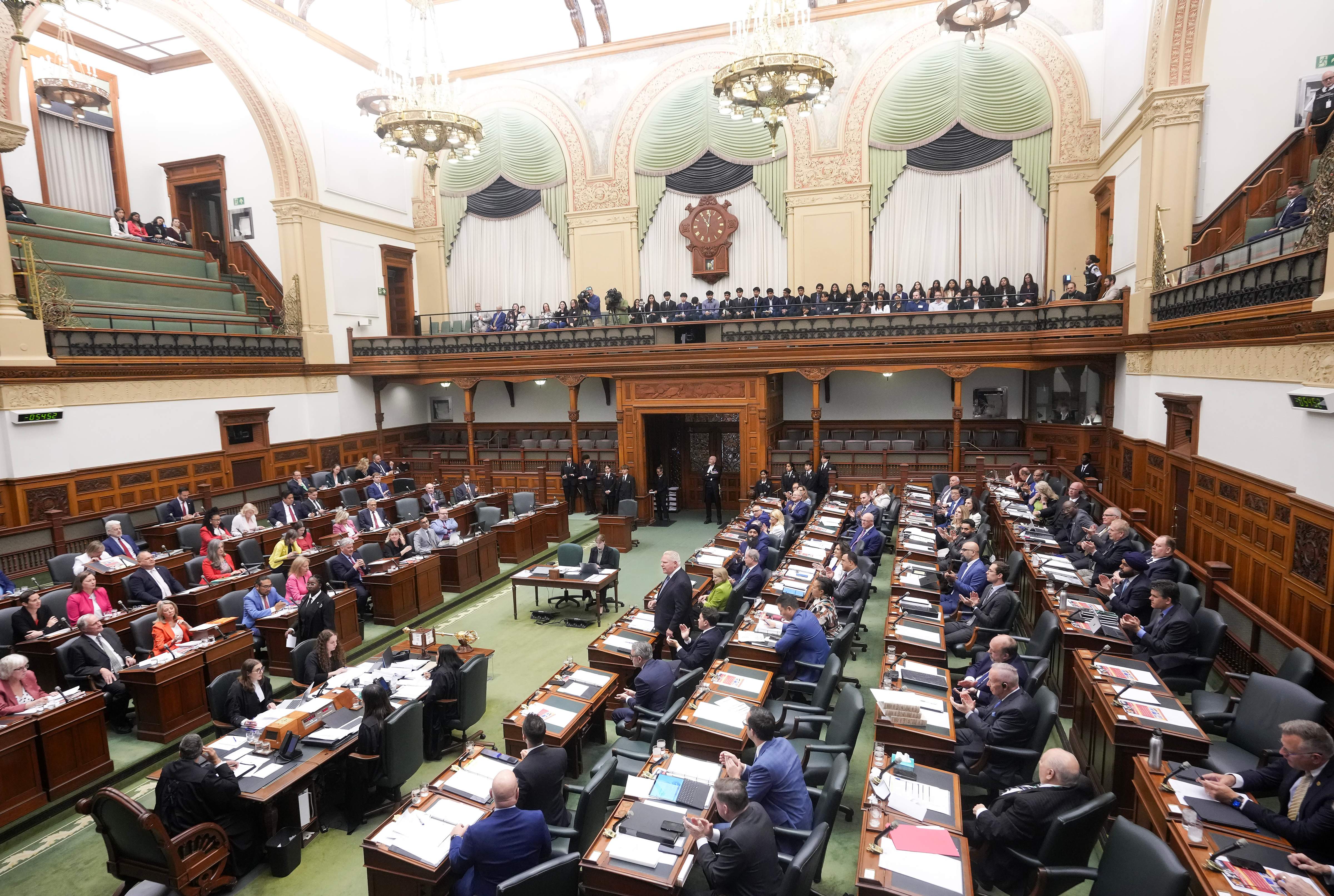
That vision is not a paranoid daydream. It is the exact friction point that landed inside a federal courtroom in Washington this week, where a federal judge slammed the brakes on the Trump administration’s ambitious push to overhaul the National Mall’s historic public golf infrastructure.
The Architecture of a Public Promise
To understand why a ruling about grass, sand traps, and municipal leases has set off alarm bells across the capital, you have to step back from the political noise and look at what the National Mall actually is.
Most visitors treat it like an outdoor museum. They walk the two-mile stretch from the Capitol steps to the Lincoln Memorial, snap photographs of the Washington Monument reflecting in the water, and head back to their hotels. They rarely realize they are standing on top of one of the most fiercely contested pieces of real estate in modern history.
In 1791, Pierre Charles L’Enfant drew up the original plans for the federal city. He envisioned a grand, open esplanade—a physical manifestation of a radical new idea that the seat of government belonged to the citizens, not a monarch. Yet for a century after L’Enfant’s ink dried, the Mall was an embarrassment. Livestock grazed near the Washington Monument. A train station cut right across the grass. Slums and industrial sheds crowded the riverbanks.
It took the McMillan Plan of 1901 to clear the tracks, dredge the swamps, and create the sweeping green commons we recognize today. Every square inch of that soil was paid for with public money and protected by layers of federal statute specifically designed to prevent any single president, developer, or private corporation from fencing it off for personal profit or prestige.
East Potomac Golf Links, opened in 1920, was born directly out of that progressive ethos. At a time when country clubs across America barred Black, Jewish, and working-class players at the gate, East Potomac was built by the federal government as a public utility. In 1941, following bitter protests by Black golfers who were being harassed and turned away from segregated facilities, the Roosevelt administration explicitly integrated the course, making it one of the first desegregated public recreational spaces in the nation’s capital.
History lives in the divots there.
When I first moved to Washington twenty years ago, broke and bewildered by the city’s rigid social hierarchies, that ragged peninsula was the only place where nobody asked where I went to college or who I worked for. You stood in line at the starter’s shack. You got paired with three strangers. For four hours, the invisible walls of Washington dissolved. You were just four people trying to keep a little white ball out of the Potomac River.
The Collision in Court
That democratic tradition collided head-on with a very different philosophy of land, value, and legacy.
Since returning to office, President Donald Trump—a man whose business empire was built on luxury golf resorts and whose personal brand is inextricably tied to manicured fairways—has repeatedly voiced disdain for the condition of Washington’s federal parks and golf courses. To a developer’s eye, East Potomac, along with its sister courses at Rock Creek and Langston, looked like wasted potential. The drainage was poor. The clubhouses were aging. The greens were patchy. Why settle for a worn-out municipal track when you could transform the capital’s waterfront into a world-class championship destination?
Under the administration’s sweeping redevelopment initiative, federal agencies moved rapidly to restructure how the National Mall’s golf properties are managed, funded, and accessed. The plan sought to bypass traditional National Park Service oversight, fast-track private management agreements, and rebrand the flagship riverfront property into an elite, tournament-ready showcase—a move critics immediately warned would price out ordinary residents and alter the historic character of the parkland.
Preservationists, local golfers, and public-land advocates sued. They argued that the administration was treating a sacred public trust like a distressed commercial property.
This week, a U.S. District Judge agreed—at least enough to throw down a legal spike strip.
In a sharply worded ruling, the court imposed immediate roadblocks on the project, halting key phases of the redevelopment and freezing the transfer of operational control. The judge did not rule on the aesthetics of the proposed greens or the merits of luxury hospitality. Courts rarely care whether a bunker is deep enough. Instead, the ruling zeroed in on process, statutory authority, and the law.
Specifically, the court found that federal officials had likely sidestepped mandatory environmental reviews under the National Environmental Policy Act and ignored strict preservation mandates governing historic landmarks within the National Mall zone. You cannot, the court reminded the executive branch, simply treat federal parkland as a blank canvas without answering to the public that owns it.
Stop.
Read that again.
The legal mechanism here is not obscure bureaucratic red tape; it is the only mechanism standing between a public park and a private enclosure. Think of the laws governing the National Mall like the load-bearing walls of an old house. When a new owner moves in and decides the living room feels cramped, they might be tempted to knock down the wall to open up the view. It looks cleaner. It feels grander. Until the roof caves in.
The Invisible Stakes of Public Space
To understand who actually loses when a public course is "upgraded" into a luxury venue, meet Marcus. Marcus is a composite character—a blend of dozens of regular players I have shared carts with over the years—so let us be completely transparent about his invention, even though every detail of his morning routine is drawn from real life.
Marcus is fifty-eight. He drives a Metrobus out of the Bladensburg division, starting his shift at 4:30 in the morning and finishing just after noon. Golf is his physical therapy. After eight hours of absorbing the potholes of downtown D.C. through his spine, walking nine holes at East Potomac keeps his lower back from locking up. He plays with a mismatched set of irons he bought at a yard sale in Maryland, and he budgets sixty dollars a month for greens fees.
Under a privately managed, championship-grade redevelopment, what happens to Marcus?
Nobody puts up a sign that says Bus Drivers Not Welcome. That is not how modern exclusion works. Exclusion happens through pricing structures, dynamic tee-time algorithms, mandatory caddie fees, and "membership tiers" that reserve prime morning hours for corporate sponsors and visiting dignitaries. When a municipal course is transformed into a trophy property, the greens fee quietly climbs from thirty-five dollars to two hundred. The starter’s shack becomes a concierge desk.
Marcus doesn't get kicked out. He just gets priced out.
And what happens to the land itself? East Potomac Park sits in a floodplain. Every heavy summer thunderstorm sends the river surging over the seawalls. For a century, those flat, unpretentious fairways have acted as a giant ecological sponge, absorbing millions of gallons of stormwater that would otherwise flood the surrounding federal monuments and nearby neighborhoods. Bulldozing that terrain to build elevated stadium seating, expanded hospitality pavilions, and chemically intensive championship greens alters the hydrology of the entire peninsula.
The judge’s order specifically flagged these unexamined environmental impacts. By rushing the approvals, the administration failed to account for what happens to the river, the migratory birds that nest along the channel, and the structural integrity of a peninsula built entirely on dredged river mud.
Why This Battle Feels So Familiar
If you feel a strange sense of déjà vu watching a president try to reshape Washington’s parkland in his own image, you are paying attention. The tension between grand executive ambition and stubborn democratic preservation is older than the asphalt on Pennsylvania Avenue.
In the 1960s, developers and highway planners wanted to slice straight through the heart of Washington, paving over parks and historic neighborhoods to build an eight-lane inner-loop freeway. They had the money, the blueprints, and the backing of powerful politicians who argued the city needed to modernize or die. They were stopped only when ordinary citizens and preservationists dragged the plans into federal court, forcing the government to obey its own environmental and historic preservation laws.
A decade later, another push sought to commercialize sections of the Mall with sprawling private concessions and permanent exhibition halls. Again, the argument was efficiency and prestige. Again, the courts intervened, affirming a simple, radical principle: the National Mall is valuable precisely because it is inefficient.
Think about that for a moment.
In purely financial terms, the National Mall is the worst real estate investment in the world. It generates almost zero tax revenue. It produces no quarterly dividends. It sits on prime waterfront and downtown acreage that could easily support billions of dollars in luxury condos, five-star hotels, and high-end retail.
Its entire value lies in its refusal to be monetized.
When we allow any administration—regardless of party, regardless of how tasteful the architectural renderings look—to chip away at the legal protections guarding that space, we trade a permanent civic inheritance for a temporary facelift.
The Uncertainty Ahead
I will be honest with you: it is easy to cheer a court injunction and assume the story is over. It isn't.
A judicial roadblock is a pause button, not a cancellation. The federal government has vast legal resources, deep pockets, and a long history of wearing down local opposition through attrition. Administration lawyers are already signaling their intent to appeal the ruling, arguing that the president possesses broad authority over federal properties and that the National Park Service has the right to enter into whatever management agreements it deems necessary to improve deteriorating infrastructure.
There is also an uncomfortable truth that defenders of the status quo have to confront. East Potomac Park does need help. Walk into the restrooms near the driving range on a humid July afternoon, and you will not find a pristine civic monument; you will find broken locks, standing water, and decades of deferred maintenance. The National Park Service faces a multibillion-dollar maintenance backlog across the country. Neglect is its own kind of threat to public lands. If public courses are allowed to rot into unplayable swamps, the argument for handing them over to private developers becomes infinitely easier to make.
That is the tightrope advocates are walking right now. They are fighting to save a place that desperately needs investment, while resisting the only people currently offering to write a massive check—because they know the price tag attached to that money is the soul of the place itself.
For now, though, the bulldozers are silent. The fences remain unbuilt.
Tomorrow morning at 6:15, the fog will roll off the Potomac River just as it has for more than a hundred years. The early barges will chug past Hains Point. Down by the first tee, a handful of regulars will stamp the morning dew off their shoes, pull a scuffed driver from a worn nylon bag, and step up to the grass that still belongs to all of us.