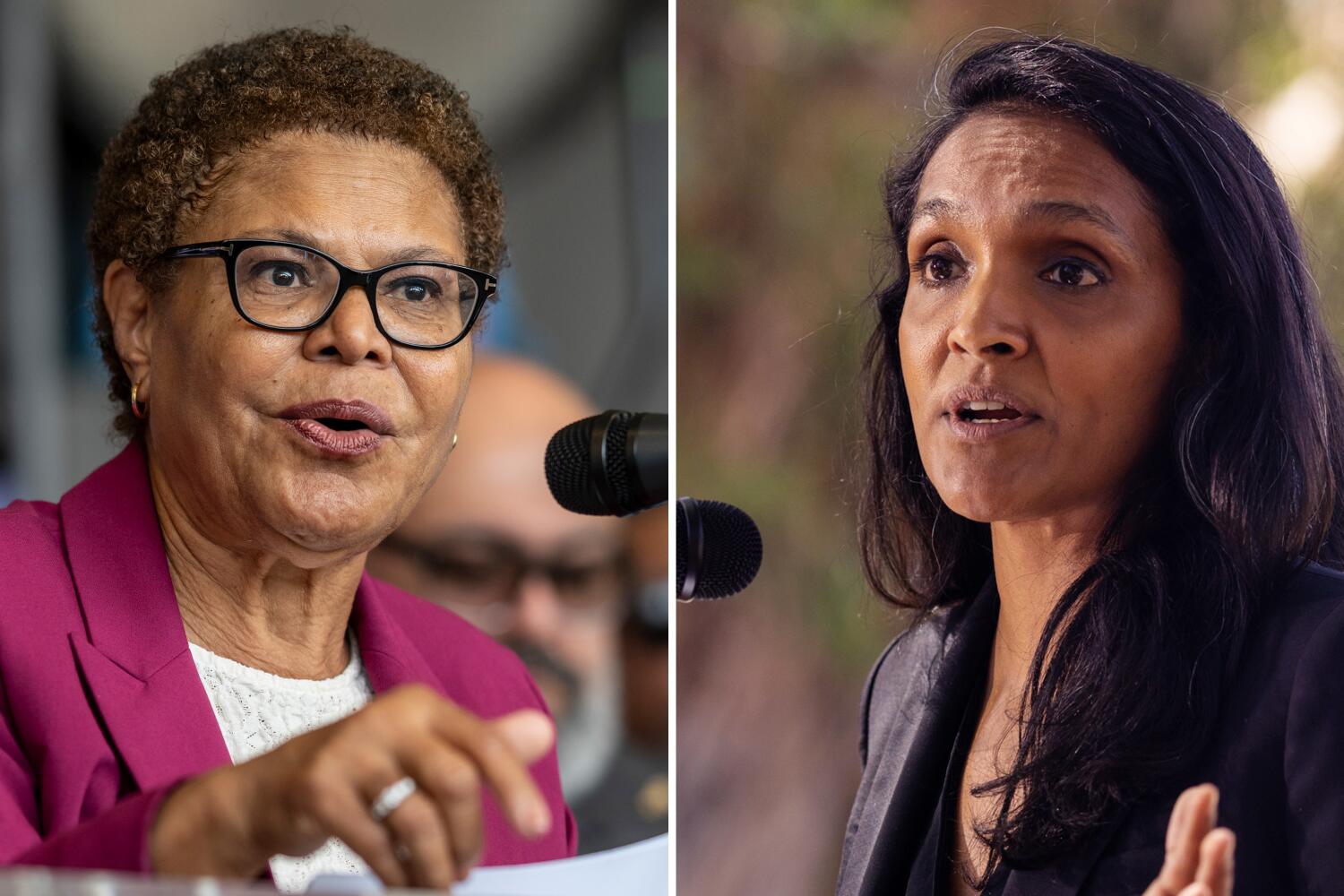
The camera light in a Los Angeles living room clicks on, casting a blueish tint across walls that have absorbed decades of city noise. Outside, sirens wail, a familiar percussion track to urban life. Inside, Nithya Raman leans forward. Her message is direct, stripped of the usual diplomatic cushioning that politicians wrap around themselves like winter coats. She is talking about power, accountability, and the man who commands the largest municipal police force west of the Mississippi.
She tells her audience to look closer. She asks them to recognize what she calls the machinery of institutional defense.
To understand why a city council member's video urging the removal of the LAPD chief sends tremors from City Hall to the precinct stations, you have to look past the press releases and step onto the pavement. You have to watch the way authority is exercised in neighborhoods where the zip code often dictates whether a police encounter feels like protection or occupation.
Police departments are living organisms built from tradition, hierarchy, and a fierce, insular loyalty. When someone tries to alter that organism from the outside—or even from the elected chambers within—the resistance is instantaneous. It is a friction born of competing visions for safety. One vision relies on the iron fist of paramilitary command structures, where the chief answers ultimately to a commission and a legacy of enforcement. The other vision, championed by progressive leaders and grassroots organizers, argues that public safety is a civilian project that requires entirely different tools: mental health teams, housing investments, and leadership willing to answer directly to the communities most heavily policed.
Consider what happens on a typical Tuesday night in Los Angeles. A call goes out. Two officers respond to a domestic dispute or a transient sleeping on a storefront stoop. The outcome of that encounter is shaped not just by the training manuals issued by the department, but by the cultural climate set at the very top. If the chief signals an unyielding defense of every tactical choice, accountability remains an abstract theory. If the chief acknowledges structural failure, the rank-and-file feel abandoned.
This is the tightrope. And Raman, standing on her platform, is cutting the safety net.
The friction between city lawmakers and police leadership is as old as municipal governance itself. Cities are messy, breathing ecosystems of millions of people with conflicting needs. Business owners want predictable streets. Activists want systemic overhaul. Residents want fast response times without the shadow of brutality. When a high-profile figure like Raman demands a change in command, it is rarely just about one person's performance. It is a referendum on an entire philosophy of governance.
Words matter in these moments. When accusations fly back and forth—words like fascist, obstructionist, protector, agitator—they freeze complex policy debates into tribal warfare. But beneath the shouting, a deeper question remains unanswered: Who actually owns the public square?
Think about the neighborhoods where trust in law enforcement eroded long before the current generation of politicians took office. In places like South Los Angeles or parts of the Eastside, generations grew up learning a specific calculus of survival. They learned how to stand, how to speak, how to move so as not to draw unwanted attention. To them, a police chief is not an administrative figurehead; the chief is the weather. You cannot negotiate with the rain, you can only try to stay dry.
When an elected official steps up to challenge that weather, it disrupts the atmospheric pressure. It gives voice to people who usually feel entirely powerless against the blue wall of silence and procedure.
Yet, the counter-argument is delivered with equal fervor by those who see the city descending into chaos. They point to property crime rates, retail theft, and the terrifying randomness of street violence. To them, any political move to unseat the police chief looks like appeasement, a betrayal of the officers who put on bulletproof vests every morning and walk into the unknown. They argue that morale matters, that discipline matters, and that weakening the top commander leaves the entire city vulnerable to lawlessness.
This is the gridlock of modern civic life. Two opposing truths colliding at high speed, neither willing to yield an inch of ground.
Leadership, at its core, is the art of absorbing this tension without shattering the vessel. But when the tension becomes too great, the vessel cracks. Videos go viral. Emergency motions are filed. Citizens who rarely tune into municipal politics suddenly find themselves arguing over the phone with neighbors, dividing along lines that feel permanent and bitter.
The city continues to move beneath the noise. Traffic crawls along the 405. Vendors push carts of fruit down sun-bleached sidewalks. Sirens rise and fade into the distance.
The camera in the living room turns off. The blue light fades. But the arguments remain, echoing off the stucco walls and bouncing through the concrete canyons of a city trying, with every breath it takes, to figure out who it actually wants to be.


