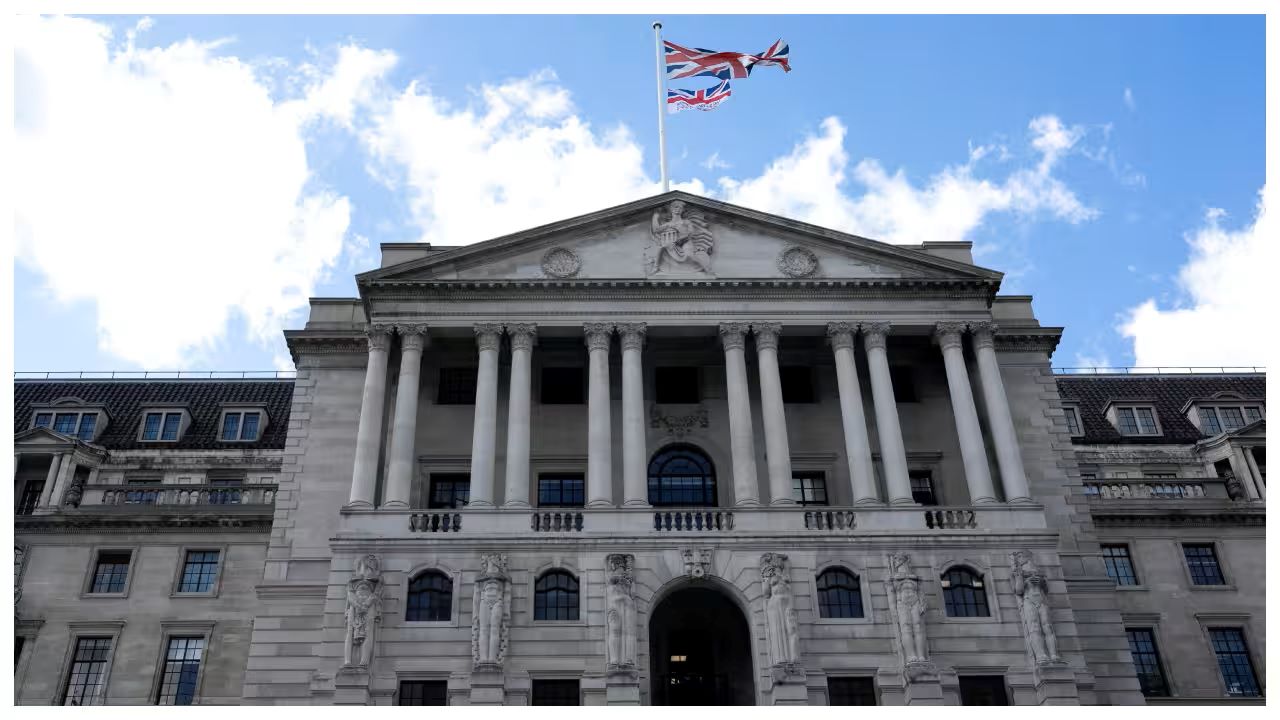
Don't celebrate just yet. The Bank of England just kept interest rates glued to 3.75 percent, but this isn't the green light for a mortgage price war that you might think it is.
Borrowers looking for immediate relief are going to be disappointed. While inflation slowed down to 2.8 percent in May, the central bank is playing a massive game of chicken with the global economy.
They aren't ready to cut rates. In fact, they're sitting on a fence that's growing increasingly uncomfortable.
The Monetary Policy Committee split 7-2 on Thursday to keep the benchmark rate exactly where it has been. Look closer at that vote, though. Two heavy hitters on the committee—chief economist Huw Pill and external member Megan Greene—didn't want a hold. They wanted to jack rates up to 4 percent. That tells you everything you need to know about where the real pressure is building.
The Oil Illusion and the US-Iran Peace Deal
Everyone is talking about the recent interim ceasefire deal between the US and Iran. Yes, it dragged oil prices down over the weekend. Yes, it cleared up some of the shipping chaos in the Strait of Hormuz that has been choking global trade since late February.
But it's a fragile peace.
Governor Andrew Bailey made it clear that while cheaper crude is encouraging, it doesn't erase the past four months of brutal energy price spikes. Those high costs are already baked into the supply chain. They are moving through the UK economy right now like a slow-moving wave.
The bank actually revised its internal forecasts because of this. They now expect inflation to creep back up to 3 percent in the third quarter. By winter, they see it hitting 3.25 percent. That's a far cry from their official 2 percent target. If you think rates are dropping before 2027, you're misreading the data.
Stagflation is the Real Threat
The real story isn't inflation alone. It's the fact that the UK economy is running on fumes.
Official figures showed a 0.6 percent expansion in the first quarter of the year. The central bank's own staff admitted that number is an illusion. It vastly overstates how much momentum the country actually has. Stripping away the noise reveals that underlying quarterly growth for both the first and second quarters is likely sitting at a miserable 0.2 percent.
We are looking at stagflation in all but name. Growth has flatlined, yet prices keep climbing.
The jobs market is showing serious cracks too. Private sector wage growth dropped to its lowest level in over five years in April. Job vacancies have hit a post-pandemic low. Businesses are freezing hiring because their borrowing costs have soared. If you're looking for a salary bump to beat the cost of living this year, your chances just shrank.
What This Actually Means for Your Wallet
If you have a tracker mortgage, your monthly payments won't budge for now. That is the only piece of short-term good news.
For the millions of people sitting on fixed-rate deals expiring over the next twelve months, the outlook is grim. Banks price their fixed mortgages based on swap markets, which track where investors think interest rates will go over the next few years. Right now, traders are still betting on at least one more rate hike before the year ends.
Sterling didn't move much after the announcement, hovering around $1.324 against the US dollar. The markets expected this exact outcome, meaning nobody is rushing to lower the cost of debt.
Move Your Money Wisely Right Now
Stop waiting for a major rate cut to rescue your finances. It isn't happening anytime soon. If you need to secure a mortgage or a refinance, waiting for a better deal could cost you thousands if the hawks get their way and push the rate to 4 percent in the autumn. Lock in a deal that gives you certainty.
If you have cash savings, this is your window to act. Banks are already trimming their best fixed-rate saver accounts because they know the long-term trend will eventually point downward. Locking your cash into a one-year or two-year fixed bond today allows you to guarantee a return that beats the current 2.8 percent inflation rate.
The Bank of England is buying time. You shouldn't be. Take control of your debt and savings before the next inflation report forces the bank's hand.

