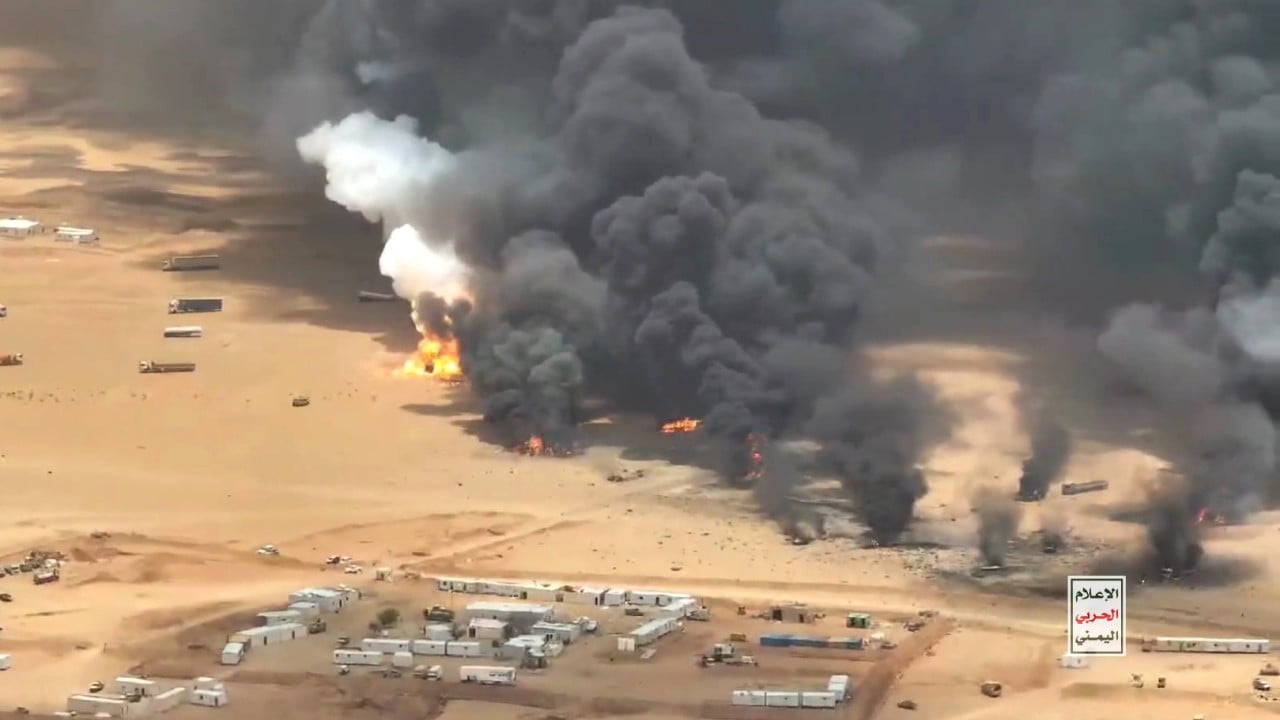
Global supply chains are bracing for another shock as the Bab el-Mandeb Strait turns into a high-risk combat zone once more. If you think the shipping disruptions of recent years were a temporary blip, you're missing the bigger picture. Yemen's Houthi movement has launched an aggressive new ground and maritime offensive targeting the narrow 20-mile chokepoint that connects the Red Sea to the Gulf of Aden. This is not just a localized regional skirmish. It is a direct chokehold on roughly 7% of global maritime trade and a massive volume of international energy supplies.
When commercial vessels are forced to avoid the Red Sea and sail all the way around Africa's Cape of Good Hope, transit times jump by weeks and freight costs skyrocket. Shippers are already dealing with the severe impairment of the Strait of Hormuz on the other side of the Arabian Peninsula. Losing reliable access to Bab el-Mandeb means the global oil market is losing its primary escape routes.
The Ground War Driving the Maritime Threat
You cannot separate what happens on the water from the fighting on land. Houthi forces have pushed hard toward Yemen's western coast, targeting areas around Taiz and the strategic corridor leading toward Mocha. International analysts note that this ground push gives the group the tactical depth it needs to sustain long-term pressure on shipping lanes.
When the ground offensive intensifies, maritime attacks follow close behind. The strategy relies on a mix of anti-ship ballistic missiles, explosive drones, and direct threats against tankers. Shipping companies receiving direct warnings via email about approaching Saudi ports are forced to make immediate U-turns. Tankers hauling crude bound for Asian markets are abandoning their routes mid-journey, terrified of entering the crosshairs.
Saudi Arabia finds itself trapped in an uncomfortable dilemma. Riyadh has diverted more crude toward its Red Sea port of Yanbu to bypass troubles elsewhere, driving millions of barrels a day through the Bab el-Mandeb corridor. Now, that very infrastructure is facing retaliatory drone and missile strikes. The kingdom wants to restore military deterrence without getting sucked back into the full-scale quagmire of the multi-year Yemen war. Yet, standing back allows the Houthis to dictate the terms of regional escalation.
Real Economic Fallout Beyond the Headlines
Cargo owners and logistics directors are feeling the squeeze immediately. Insurance underwriters are hiking war-risk premiums to eye-watering levels, making transit through the southern Red Sea economically unviable for many operators.
The numbers tell a grim story. During previous phases of the crisis, traffic volume through the strait plummeted by half, and daily vessel counts remained depressed even during brief lulls. With the resumption of a formal naval blockade declaration against Saudi shipping, tankers are once again turning around.
Take a look at what happens when both major Middle Eastern oil chokepoints face severe impairment simultaneously:
- Energy prices face severe upward pressure, with major financial institutions warning of crude spiking toward $120 a barrel if disruptions compound.
- Consumer goods shipped from Asia to Europe face extended delivery windows, reviving inventory shortages reminiscent of past supply chain bottlenecks.
- Refineries in India and China scramble for alternative crude sources as traditional shipments from the Red Sea face interception or forced rerouting.
What Logistics Leaders Must Do Right Now
Sitting tight and hoping for a quick diplomatic breakthrough is a losing strategy. If you manage international freight or procurement schedules, you need to adjust your operational playbook today.
Audit your supply chain dependencies immediately. Identify every single tier-one and tier-two supplier relying on components or raw materials transiting through the Suez Canal and Red Sea corridor. Build extra lead time into your enterprise resource planning software right now—do not wait for your cargo to get stuck off the coast of Yemen. Establish secondary freight contracts with carriers utilizing rail or Cape of Good Hope routings, and lock in capacity before spot rates surge past sustainable thresholds.


