You pay hundreds of dollars for a plane ticket, endure long security lines, take off your shoes, and show your ID to multiple government agents just to board a flight. Then, someone walks right past all of it for free with a completely fake document.
It sounds impossible in modern aviation. Yet, a massive security breakdown at Houston's George Bush Intercontinental Airport (IAH) proved that the expensive security systems we trust are surprisingly vulnerable to basic human distraction.
Abdulrahman Oluwatumike Oriyomi, a 25-year-old Houston resident, faces a felony charge of impairing or interrupting the operation of a critical infrastructure facility. He didn't use a highly sophisticated cyber attack to breach the system. He basically just watched, waited, and walked right through.
The breakdown reveals uncomfortable truths about modern airport security, gate agent fatigue, and how easily the system cracks when things get busy.
The TSA Screening Loophole
How does someone without a valid ticket even clear the initial TSA checkpoint? According to court documents, Oriyomi arrived at the Terminal C security checkpoint early in the morning. Investigators noted he was constantly staring at his phone and delaying speaking to an officer.
When he finally approached the podium, there was an issue scanning his boarding pass. Instead of being turned away, surveillance video shows he was escorted to an alternate booth, had his picture taken via biometric verification, and was cleared into the secure terminal.
Here is what most travelers do not realize. TSA checkpoints are primarily designed to find weapons, explosives, and immediate physical threats. They are not explicitly auditing ticket payments. Because Oriyomi had an active reservation in the United system, his identity matched the baseline security profile, even though United had already canceled the booking due to non-payment. He walked into the secure terminal legally cleared by the government, but completely unauthorized by the airline.
Two Failed Attempts and One Distracted Gate
Once inside Terminal C, Oriyomi did not just slip onto the first plane he saw. He actually tried to play by the rules at first, or at least fake it convincingly.
He approached gate C35 and tried to scan a boarding pass on his phone to board a flight to Los Angeles. The scanner rejected it. He tried again. It failed again. He got into a verbal argument with the United gate agent before finally being turned away around 7:10 a.m.
Instead of drawing immediate red flags or triggering an airport-wide alert, he simply walked over to Terminal D. Nobody tracked him. Nobody stopped him.
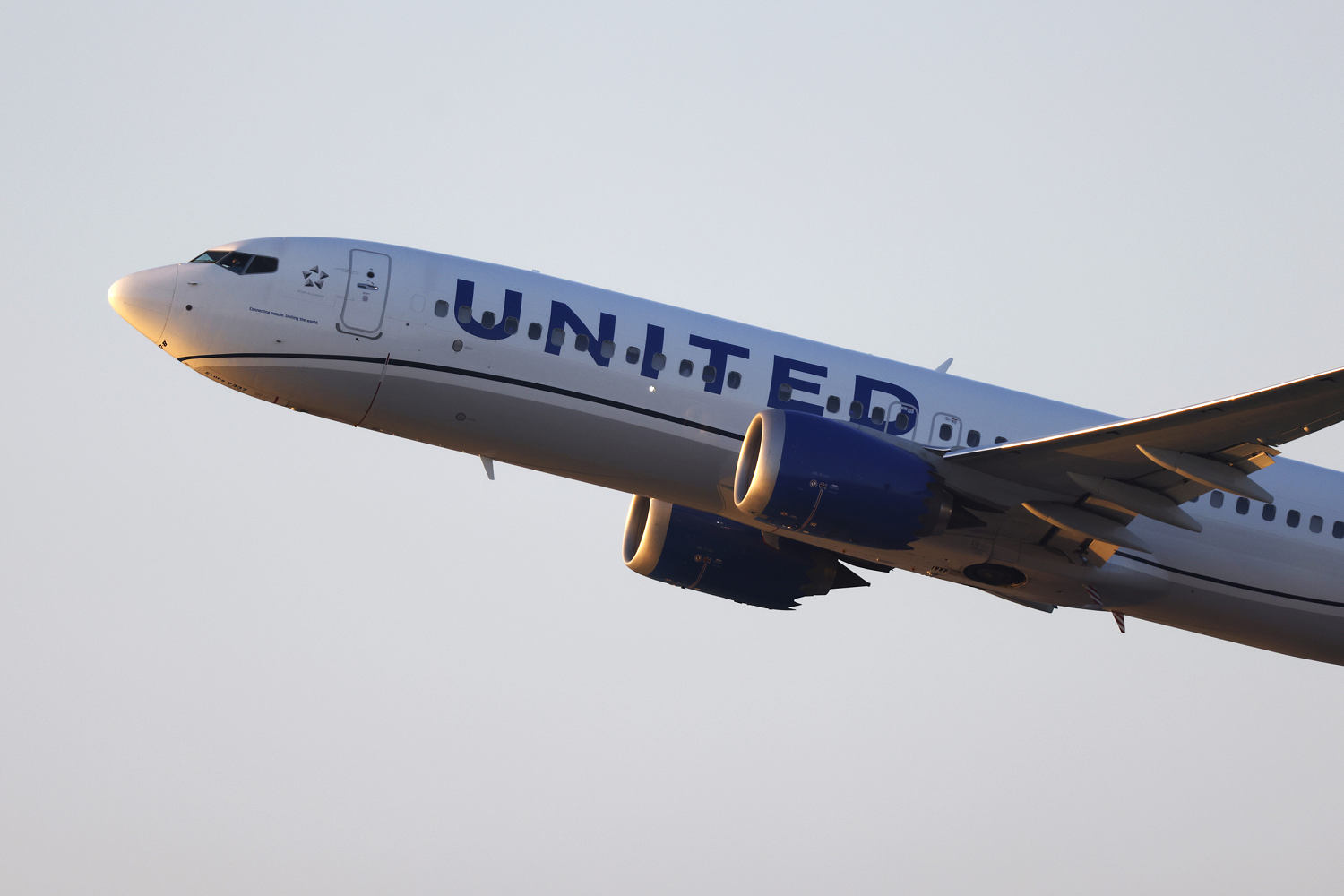
By 8:15 a.m., he was pacing near gate D4, where another United flight, Flight 469, was preparing to leave for Los Angeles. Investigators reviewing surveillance footage noted he spent nearly an hour "awkwardly pacing" and watching how gate agents processed passengers.
Just after 9:00 a.m., he made his move. He lined up with the legitimate travelers. As the line moved forward, he waited for the precise moment the gate agents became preoccupied with paperwork and customer issues. He flashed a fake boarding pass on his phone screen, bypassed the physical scanning hardware entirely, and walked straight down the jetway.
The Bathroom Hideout and the Jump Seat Request
The illusion completely fell apart once the plane pushed back from the gate.
A female passenger noticed Oriyomi sit down in an aisle seat next to her, looking visibly unsure if he was in the right spot. He quickly got up and went into the aircraft bathroom. He stayed inside for 15 minutes. While he was hiding, the actual passenger assigned to that seat boarded and sat down.
When Oriyomi emerged and saw his seat occupied, he did not panic. He just went into a different bathroom at the back of the plane.
By this time, the plane had pushed back and was taxiing toward the runway. The alert passenger notified a flight attendant that someone was hiding in the lavatory during taxiing, which is a major safety violation. The flight attendant knocked on the door and ordered him out.
Oriyomi walked out and tried to brush it off. He identified himself to the crew as "Mr. Lopez." When the crew checked the digital passenger manifest, there was no "Mr. Lopez" booked on the flight. In fact, every single seat on the plane was completely full.
Realizing he was caught, Oriyomi boldly asked the crew if he could just sit in the flight attendant jump seat for the trip to Los Angeles. The crew immediately denied the request, notified the pilots, and the aircraft aborted its departure to return to the gate.
The Fake Document and the Aftermath
When the plane parked, Houston Police, the FBI, and TSA agents flooded the aircraft. Passengers were evacuated so security teams could conduct full sweeps of the cabin for explosives or hazards. The entire ordeal caused a three-hour delay for a plane full of frustrated travelers.
When investigators examined Oriyomi's phone, the fraud became obvious. The image of the boarding pass he used was missing vital flight details and didn't even feature a real, scannable QR code. It was a poorly fabricated digital image.
The legal consequences for this kind of stunt are severe. Harris County prosecutors filed felony charges and sought a $25,000 bond with strict conditions, including:
- Surrendering all passports and travel documents
- A total ban from entering George Bush Intercontinental Airport or any other aviation facility
- Electronic monitoring and GPS tracking
What makes this case truly bizarre is his behavior after being caught. Because he was not immediately taken to jail right at the gate, authorities read him a criminal trespass warning and told him to leave. Investigators noted that Oriyomi then pulled out his own phone, began filming the law enforcement teams, and caused a massive scene in the terminal before finally exiting the airport grounds.
How to Protect Your Own Travel Security
While airlines and federal agencies look into how a passenger bypassed multiple layers of human verification, regular travelers can take simple steps to ensure their own details are not compromised in busy terminals.
- Lock your phone screen when boarding: Never leave a digital boarding pass open on your screen while sitting at the gate or buying food. Sneak-and-board travelers often look for valid QR codes to photograph over your shoulder.
- Watch your paper passes: If you prefer paper boarding passes, never leave them behind in the seatback pocket or throw them into open trash cans at the gate. They contain your full name, frequent flyer number, and booking reference code.
- Speak up early: The heroic move in this Houston incident came from the passenger who noticed someone acting strange in her row and hiding in the bathroom. If someone near you seems totally confused about basic seat layouts or hides during taxiing, tell the flight crew immediately.
- Verify your seat changes: If you get on a plane and find someone sitting in your assigned seat claiming "the gate agent moved me," do not just take an empty spot. Verify the change with a flight attendant to ensure everyone on the manifest belongs on that aircraft.