Australia spent nearly $1 billion on offshore detention in the last financial year alone. Yet, men who fled to our shores for safety are currently sitting in community housing on a remote Pacific rock, skipping meals because they literally can't afford a bag of rice.
It sounds contradictory. How does a government burn through nine figures of taxpayer funds while the human beings under its direct care run out of money before their next payout?
The reality on Nauru isn't just a political talking point. It's a severe daily crisis of food insecurity, manufactured by policy. A recent report by the Asylum Seeker Resource Centre (ASRC), titled Hungry for Freedom, exposes a grim reality: 99% of the asylum seekers interviewed on Nauru explicitly stated they cannot afford enough food on their current allowance.
Let's look past the political rhetoric and break down what's actually happening on the ground.
The Brutal Math of Surviving on Two Hundred and Sixty Dollars a Fortnight
Most asylum seekers living in the Nauru community survive on an allowance of exactly $260 AUD every two weeks.
On paper, the Australian government points out that their basic accommodation and utilities are covered. But you can't eat a ceiling. That $260 has to stretch across every single human need outside of basic shelter. It means paying for food, clothing, clean drinking water, and the internet connection required to stay in touch with family or lawyers.
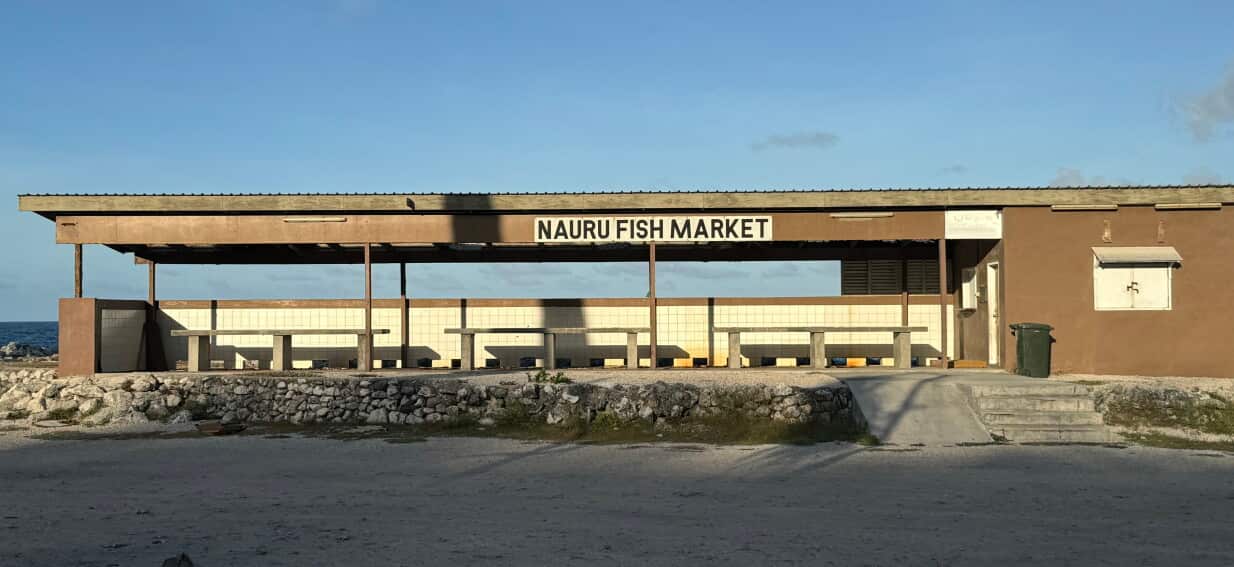
To make matters worse, the local economy isn't built for affordability. Nauru is an incredibly isolated island nation with almost no local agriculture. Perishable food has to be flown in weekly. By the time a head of lettuce or a bag of fruit hits the shelves, the price tag is astronomical.
Consider these staggering statistics from the ASRC report:
- 99% of community detainees can't buy enough food to sustain themselves.
- 68% rarely or never have access to fresh fruit, vegetables, or meat.
- 82% don't even have easy access to free, clean drinking water.
When a basic monthly internet data plan costs $100 just to keep a phone line open, the math fails instantly. Detainees are forced to make impossible choices. If you buy vegetables, you go without rice. If you pay for water, you skip meals. People are surviving on dry biscuits, eating expired food, or eating just one meal a day to make the cash last. One individual interviewed had lost 16 kilograms simply from prolonged hunger.
A Policy of Total Economic Immobility
The easiest solution to an insufficient allowance would be letting these people work. If they could get jobs, they could feed themselves.
But Nauru's legal framework, heavily influenced by the terms of the offshore processing deal, strictly bans asylum seekers from seeking employment. A public notice issued by Nauru’s justice secretary explicitly warns that any asylum seeker caught working face prosecution or immediate deportation. Local businesses face heavy penalties if they dare to hire them.
This is forced dependency. You aren't allowed to earn money, and the money you are given isn't enough to buy basic nutrients.
The systemic issues run deeper than just the checkout counter at the grocery store. Because Nauru lacks rivers or freshwater lakes, the entire island relies heavily on desalination and rainwater harvesting. When rain is scarce, clean water vanishes. Asylum seekers have had requests for simple water filters denied, forcing them to boil and cool contaminated tap water or spend their tiny food budget on bottled water.
Even trying to fish to supplement their diet has led to instances of community tension and violence. They are trapped in a cycle of starvation.
Where is the Billion Dollars Going
The most offensive part of this crisis is the financial reality. Since 2012, Australian taxpayers have shelled out over $14.35 billion to maintain this offshore processing mechanism. Over the last financial year alone, the budget blew out by an extra $400 million, bringing the annual cost close to $1 billion.
If we are spending that much money, why are people starving?
The funds don't go to the people. They go to private garrison contractors, administrative overhead, and multinational management companies hired to run the facilities. We are paying millions of dollars per individual detained, yet the actual human beings are left with $18.50 a day to survive in one of the most expensive food markets on the planet.
Medical professionals working within the system tell these men to eat more fresh fruit, milk, and vegetables to combat their declining health. But the system itself makes following that medical advice financially impossible.
The Albanese government faces mounting pressure from human rights organizations and Senate inquiries to address this blatant failure in their duty of care. The current approach doesn't just damage mental health through isolation; it is actively degrading the physical bodies of people who committed no crime other than asking for asylum.
True reform requires immediate adjustments to daily stipends to match the real-world inflation of remote island economies, alongside a pathway that restores basic human dignity, including the right to work and access clean water. Until those changes happen, the eye-watering sums of money spent on Nauru will remain a monument to bureaucratic cruelty rather than effective border management.