We have spent decades being lulled to sleep by a whisper.
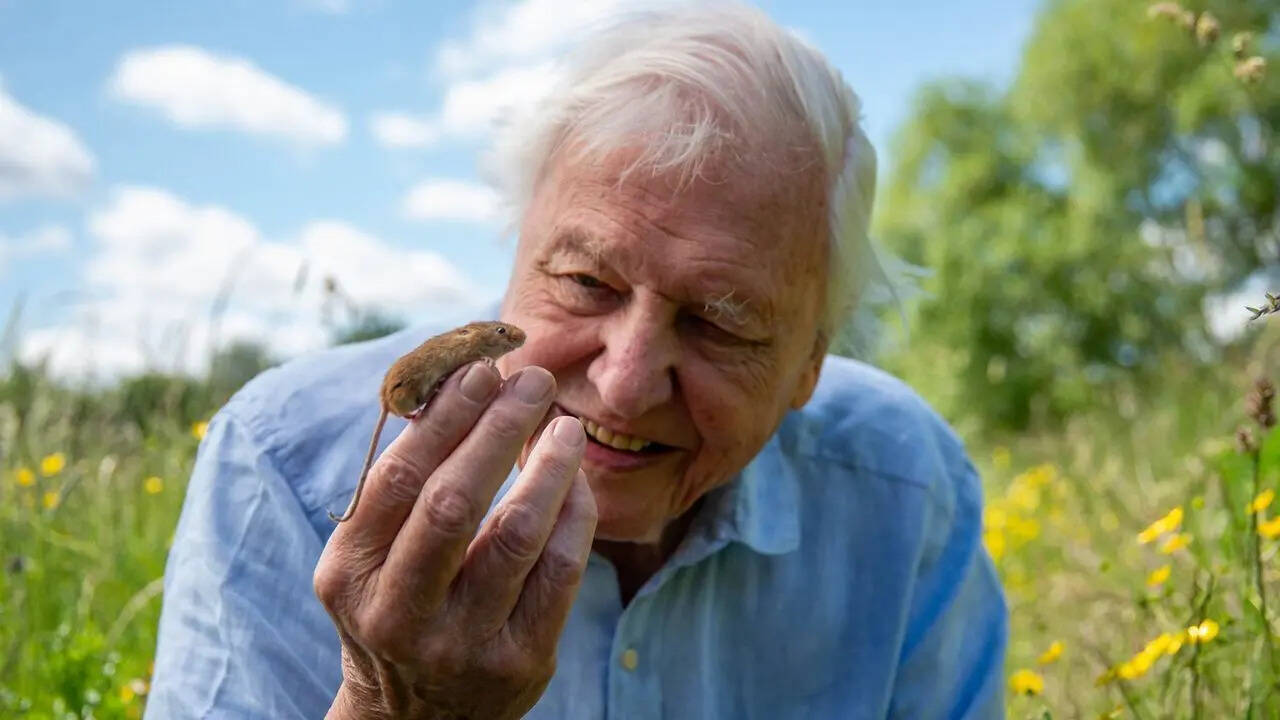
As Sir David Attenborough reaches his milestone centennial, the global media is doing exactly what you would expect. They are spinning a comfortable, gold-plated narrative of a century-long legacy that saved the planet. They call him the conscience of the nation, the man who brought the wild into our living rooms, and the ultimate catalyst for global conservation. Discover more on a related subject: this related article.
It is a beautiful story. It is also entirely wrong.
If we measure the success of natural history broadcasting by the affection we feel for the broadcaster, then Attenborough is a triumph. But if we measure it by actual ecological outcomes, the genre has been a catastrophic failure. Further reporting by GQ highlights comparable views on this issue.
We have spent fifty years mistake-matching high-definition escapism with real-world conservation. The reality is far more uncomfortable. The blue-chip nature documentary, pioneered and perfected over the last half-century, did not save the natural world. It functioned as an aesthetic sedative, convincing us we were saving the planet by simply watching it disappear in 4K resolution.
The Soft Focus Lie of Blue-Chip Television
To understand how we got here, we have to look at the mechanics of what the industry calls "blue-chip" filmmaking. These are the mega-productions. The ones with ten-million-dollar budgets, stabilized helicopter mounts, and time-lapse sequences that turn fungal growth into high drama.
For decades, the editorial mandate of these films was simple: remove all traces of humanity.
Filmmakers would spend months digitally erasing fences, waiting out the passage of plastic bags in the wind, and framing shots to hide the highway running just fifty yards behind a pride of lions. They constructed a pristine, pre-human Eden.
This was not education; it was mythology.
By presenting the wild as a self-healing, untouched paradise existing in a parallel dimension, these documentaries created a psychological distance. They taught us that nature was something that happened "over there," completely divorced from our daily consumption, our supply chains, and our local municipal policies.
[The Blue-Chip Loop]
High-End Production -> Pristine, Human-Free Nature -> Viewer Awe -> Passive Satisfaction -> Zero Political Action
When you paint a picture of a planet that is endlessly resilient, lush, and perpetually rebounding to the swell of an orchestral score, you do not inspire urgency. You inspire complacency. The viewer sighs, switches off the television, and assumes the experts and the rangers have everything under control.
Spectacle Over Substance: The PAA Fallacy
If you look at the questions people search for online, the disconnect becomes glaring.
Does watching nature documentaries make people more environmentally friendly?
The lazy consensus says yes. The data says otherwise.
Social scientists call this the "viewer complacency effect." A study published in Conservation Letters analyzed the impact of mega-franchises like Planet Earth II. It found that while these programs generated massive ratings and temporary spikes in social media chatter, they failed to translate into measurable political engagement or sustained financial support for conservation.
In fact, the sheer scale of the spectacle can backfire. When we see a brilliantly shot sequence of a humpback whale nursing its calf in crystal-clear water, our brains process that as a win. We register it as "nature is thriving."
The truth is that the ocean is suffocating under microplastics and rising temperatures, but that does not look good in slow motion. The medium demands beauty. The crisis demands ugliness. By prioritizing the former, broadcasters chose ratings over reality.
The Late-Stage Pivot to Guilt
To be fair, the tone has shifted in recent years. Documentaries now routinely tack on a depressing five-minute coda at the end of an episode. After fifty minutes of breathtaking predation and mating dances, a somber voiceover warns us that "this could all be gone in twenty years."
This is the worst of both worlds.
It is a lazy, guilt-inducing afterthought that offers zero actionable utility. It tells the viewer that everything is doomed but provides no roadmap for systemic change. It avoids targeting the actual drivers of ecological collapse—industrial agriculture, fossil fuel subsidies, and toothless international treaties—and instead leaves the viewer with a vague sense of personal shame as they look at their plastic water bottle.
If you want to change how people treat the world, you do not show them a pristine jungle and tell them to feel bad about it. You show them the supply chain. You show them the logging concession signatures. You show them the financial institutions funding the destruction.
But that is investigative journalism, not natural history. And investigative journalism does not sell advertising slots or international distribution rights to family-friendly streaming platforms.
The Hard Truth of Conservation Finance
Let’s look at the money. This is where the "global impact" narrative completely falls apart.
The production budget for a single season of a major BBC or Netflix landmark series can easily exceed $35 million. That money is spent on specialized camera rigs, years of logistics, international flights, and marketing campaigns designed to win Emmys.
Imagine a scenario where that capital was deployed directly to local, on-the-ground conservation efforts.
The communities living on the front lines of human-wildlife conflict do not need another high-definition slow-motion video of an apex predator. They need fences, compensation for lost livestock, sustainable agricultural equipment, and legal resources to fight land grabs.
| Investment Type | Output | Direct Ecological Benefit |
|---|---|---|
| $35M Media Production | 6 hours of high-definition television, Emmy nominations, passive viewer entertainment | Negligible (transient awareness spikes) |
| $35M Direct Ground Funding | Land leases, ranger salaries, community ownership initiatives, legal defense against extraction | High (immediate habitat protection) |
By celebrating the entertainment product as the solution, we divert attention and resources away from the unsexy, grinding, political work that actually keeps ecosystems intact. We have built an industry that monetizes the decline of the biosphere under the guise of celebrating its beauty.
How to Actually Fix Environmental Media
If we want to move past the era of the aesthetic sedative, we need a complete overhaul of how we tell stories about the earth. The era of the god-like, neutral narrator must end.
Here is the blueprint for media that actually drives change:
1. Put Humans Back in the Frame
Stop hiding the fences. Stop erasing the indigenous communities who have managed these lands for millennia. Show the park rangers, the poachers, the subsistence farmers, and the corporate executives. Nature does not exist in a vacuum, and pretending it does is a lie that actively harms conservation.
2. Name the Culprits
If a species is going extinct due to habitat loss, do not blame a vague concept like "climate change" or "human encroachment." Name the companies building the roads. Name the governments issuing the permits. If a documentary cannot name the entities driving the destruction because of corporate sponsorship or legal fears, it should not be made.
3. Focus on the Local, Not the Exotic
The obsession with the polar ice caps and the Serengeti has taught us to ignore our own backyards. We have millions of people who can identify a snow leopard but cannot name three native tree species in their own city park. True ecological literacy starts at home. We need media that de-exoticizes nature and makes local biodiversity feel worth fighting for.
The Uncomfortable Legacy
Sir David Attenborough’s contribution to the art of broadcasting is undeniable. His voice is the soundtrack of our collective curiosity, and his work ethic is legendary.
But we must separate the man’s talent from the systemic failure of the industry he came to represent.
For fifty years, natural history television promised us that exposure would lead to protection. We watched. We marveled. We subscribed. And while we did, global wildlife populations declined by nearly 70 percent.
The experiment is over. The results are in. Watching the world burn in high definition is not an act of conservation. It is just spectacular entertainment.
Turn off the television. Go look at the dirt. The real work is not being filmed.