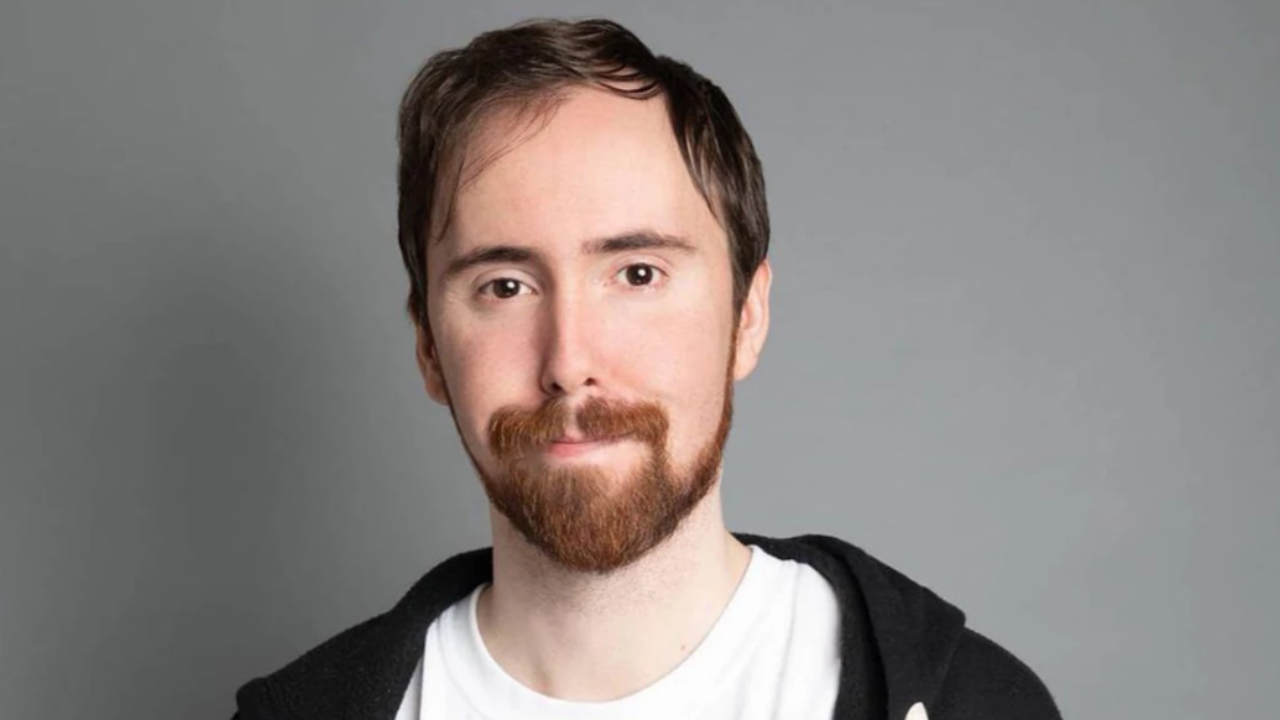
Zack Hoyt, better known to millions of internet viewers as Asmongold, loves walking right up to the line of acceptable speech, toeing it, and occasionally leaping straight over it. If you spend hours every week reacting to hyper-charged political and social clips on a live broadcast, you're bound to cross wires eventually. But his pattern of inflammatory statements goes way past simple clumsiness.
When Asmongold gets hit with another suspension from Twitch, the internet cycle spins predictably into overdrive. Fans rush to defend his right to unfiltered commentary, critics point out repeated violations of community guidelines, and the platform hands down another temporary ban.
Understanding why these controversies happen requires looking past the surface-level clips and examining how modern streaming incentives reward extreme reactions.
The mechanics of reaction content
Live streaming relies on momentum. When you sit in front of a camera for six or eight hours a day talking about current events, quiet nuance is your enemy. Silence kills viewer retention.
Asmongold built an empire on unfiltered, unscripted reactions. He watches YouTube videos live, pauses them, and gives his immediate, raw opinion. That style feels authentic to his audience. It feels like talking to a friend in a room.
The danger arrives when raw thoughts turn into reckless commentary.
During an August 2026 broadcast, Asmongold reacted to a video covering immigration and border crossings. What started as a standard political commentary segment quickly escalated. He remarked that he had zero sympathy for people entering a country without permission. Then he pushed the rhetoric much further, stating he would shoot anyone attempting to cross, explicitly including women and children.
When a viewer challenged him in the chat to clarify if he genuinely meant he would shoot kids, he doubled down. He confirmed it was exactly what he meant.
That refusal to back down is what separates a poorly worded slip-up from an active policy breach. Twitch has strict rules against inciting or encouraging violence. When a creator with a massive audience confirms on record that they stand by a statement advocating lethal force against civilians, moderation teams have very little room for interpretation.
A history of escalation
This latest incident isn't happening in a vacuum. Asmongold has a long track record of courting controversy through aggressive generalization.
Back in October 2024, his alternate account faced a suspension following an explosive rant about Palestinians and the conflict in Gaza. During that stream, he characterized the population using deeply derogatory terms and dismissed civilian casualties. That instance drew massive public backlash, forcing him to take a brief break and issue a public apology admitting he was too harsh.
Yet, patterns repeat. Months later, he faced another ban for referring to citizens of developing nations using offensive terminology during a broadcast, later complaining on X about double standards regarding American opinions.
Every time a suspension happens, the playbook looks identical.
- The clip spreads across social media platforms like X and Reddit.
- Major commentary channels and rival streamers weigh in.
- The creator either doubles down or offers a measured retraction.
- The audience polarizes further.
The platform dilemma and audience capture
Twitch faces an impossible balancing act. On one hand, Asmongold brings massive view counts, high engagement, and plenty of ad revenue to the ecosystem. On the other hand, letting high-profile creators normalize violent or dehumanizing rhetoric opens the platform up to severe brand safety risks and pressure from advertisers.
A standard seven-day or fourteen-day suspension acts as a slap on the wrist for creators of his size. It rarely changes their underlying behavior because the financial and attention-based incentives to keep pushing edgy content remain intact.
Audience capture plays a massive role here. Once a creator builds a fanbase that expects a specific brand of unfiltered edge, toning it down feels like selling out to them. The comment sections reward escalation. Moderate takes get ignored; extreme stances get clips, views, and validation.
Until platforms enforce permanent consequences for repeated hate speech or incitement of violence, high-earning streamers will continue treating temporary bans as mere business expenses rather than genuine deterrents. Watch how major creators handle their commentary desks moving forward, because the line between entertainment and liability is getting thinner by the day.