The coffee in the paper cup goes cold faster than you expect in rooms where maps are pinned to corkboards. I remember the weight of those hours—the distinct, mechanical hum of an air conditioner trying and failing to mask the tension of men waiting for a phone to ring. Diplomacy is rarely a thunderclap. Most of the time, it sounds like shifting paper and the dry scratch of a ballpoint pen.
When Washington and Tehran approach one another, the public usually hears only the brass instruments. Threats blare from podiums. Red lines are drawn in permanent ink across evening news broadcasts. Yet history is rarely written by the volume of the rhetoric. It is carved out in the empty spaces between the shouts, where low-key whispers replace high-stakes ultimatums.
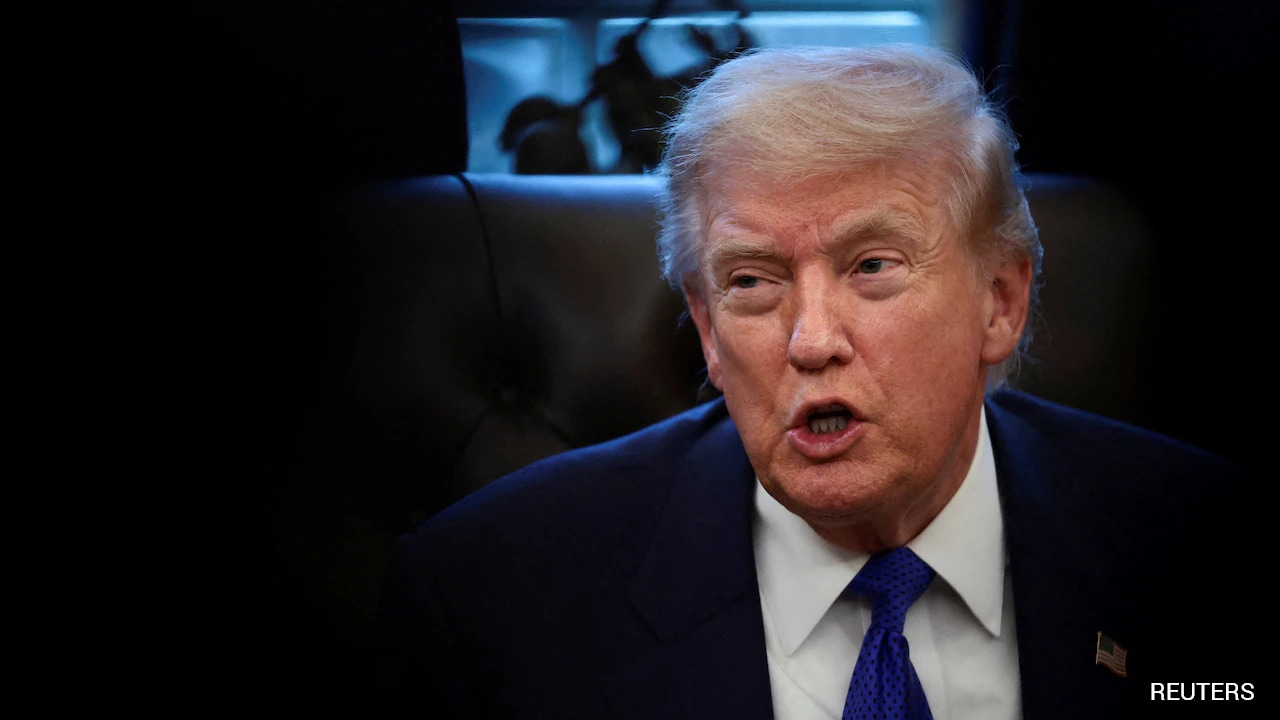
Donald Trump recently dropped a phrase into an interview that caught the professional analysts off guard. Low-keying it.
To the casual observer, the language sounds casual, almost dismissive, like someone describing a weekend barbecue rather than a fraught geopolitical standoff spanning decades, sanctions, enrichment centrifuges, and proxy conflicts. But anyone who has spent time watching the pendulum swing between the White House and the Iranian leadership recognizes the pattern. High drama plays well to domestic crowds, but real adjustments happen when the floodlights dim.
Consider what happens next: the cables stop flowing quite so publicly. Diplomats in neutral European capitals suddenly find their calendars clearing.
Relations between the United States and Iran have long operated under a peculiar physics. Every action generates an equal and opposite reaction of outrage. When tensions flare in the Strait of Hormuz, tanker traffic slows, insurance rates spike in London boardrooms, and families thousands of miles away feel the pinch at the gasoline pump. These are not abstract policy metrics. They are lived realities. They are the cost of friction between two nations locked in a cycle of mutual defiance.
For years, the script was rigid. One side would posture; the other would retaliate with economic restrictions or regional maneuvers. The stairs were steep, and the climb was exhausting.
Then came the shift toward whispers.
Trump’s approach to foreign engagement has always baffled traditionalists because it treats diplomacy less like a sacred, dusty treaty and more like a high-stakes real estate negotiation. He wants a deal, and he wants it signed under the cameras, but he also understands that getting to yes requires taking the temperature down. Low-keying it means removing the audience from the room. It means letting pride take a backseat to an arrangement.
Think about how human beings actually resolve intractable disputes. Two neighbors are feuding over a property line, building spite fences and calling the police on each other. If you put them on a stage with a live studio audience, they will posture until the floorboards break. But if you pull them into a quiet kitchen with a cup of lukewarm coffee and tell them to drop the act, the tone changes. The anger evaporates, replaced by the weary realization that fighting is simply too expensive.
That is the psychological territory Trump is gesturing toward when he talks about lowering the temperature with Iran.
Of course, skepticism is entirely warranted. Trust between Washington and Tehran is not just broken; it is buried under layers of historical trauma, proxy wars, and broken promises. When you have lived through the collapse of the Joint Comprehensive Plan of Action, the assassination of high-ranking military figures, and decades of economic warfare, words like negotiation taste like ash.
The Iranian leadership faces its own internal pressures. Hardliners in Tehran view any hint of conciliation with the Great Satan as an existential threat to their ideological legitimacy. Economic suffocation from sanctions has battered the middle class, turning university graduates into ride-share drivers and forcing grandmothers to choose between medicine and heating oil. Yet, the state apparatus remains fiercely proud, defensive, and suspicious of American intentions.
This is why a loud, blustering approach always hits a wall. If you back an adversary into a corner while shining a spotlight on them, they have no choice but to bare their teeth, even if their ribs are showing.
Low-keying it changes the geometry of the trap.
It offers a way out without a loss of face. In the cold calculus of international relations, giving the other side a golden bridge to retreat across is the only way to avoid a catastrophic collision. Whether this latest rhetorical pivot translates into backchannel talks, prisoner exchanges, or a restructured framework over nuclear ambitions remains to be seen. The variables are dizzying. Regional actors like Israel, Saudi Arabia, and the Gulf states are watching every flicker on the screen, calculating their own moves in real time.
Yet the pivot itself is telling. It acknowledges a fundamental truth about power in the modern age: sometimes, the loudest way to signal a change in direction is to lower your voice.
I look back at those map-strewn rooms from years ago. The most consequential moments never happened when the microphones were live. They happened when the reporters were shooed out of the hallway, when the official statements were put on hold, and when two people across a table realized that the alternative to talking was simply too dark to contemplate.
The world will keep spinning on its axis of anxiety. Oil prices will fluctuate. Pundits will parse every syllable for hidden malice or sudden weakness. But beneath the noise, the real work—if it happens at all—will be quiet, unglamorous, and entirely out of view.
The telephone sits on the desk. The light blinks. The room holds its breath.


