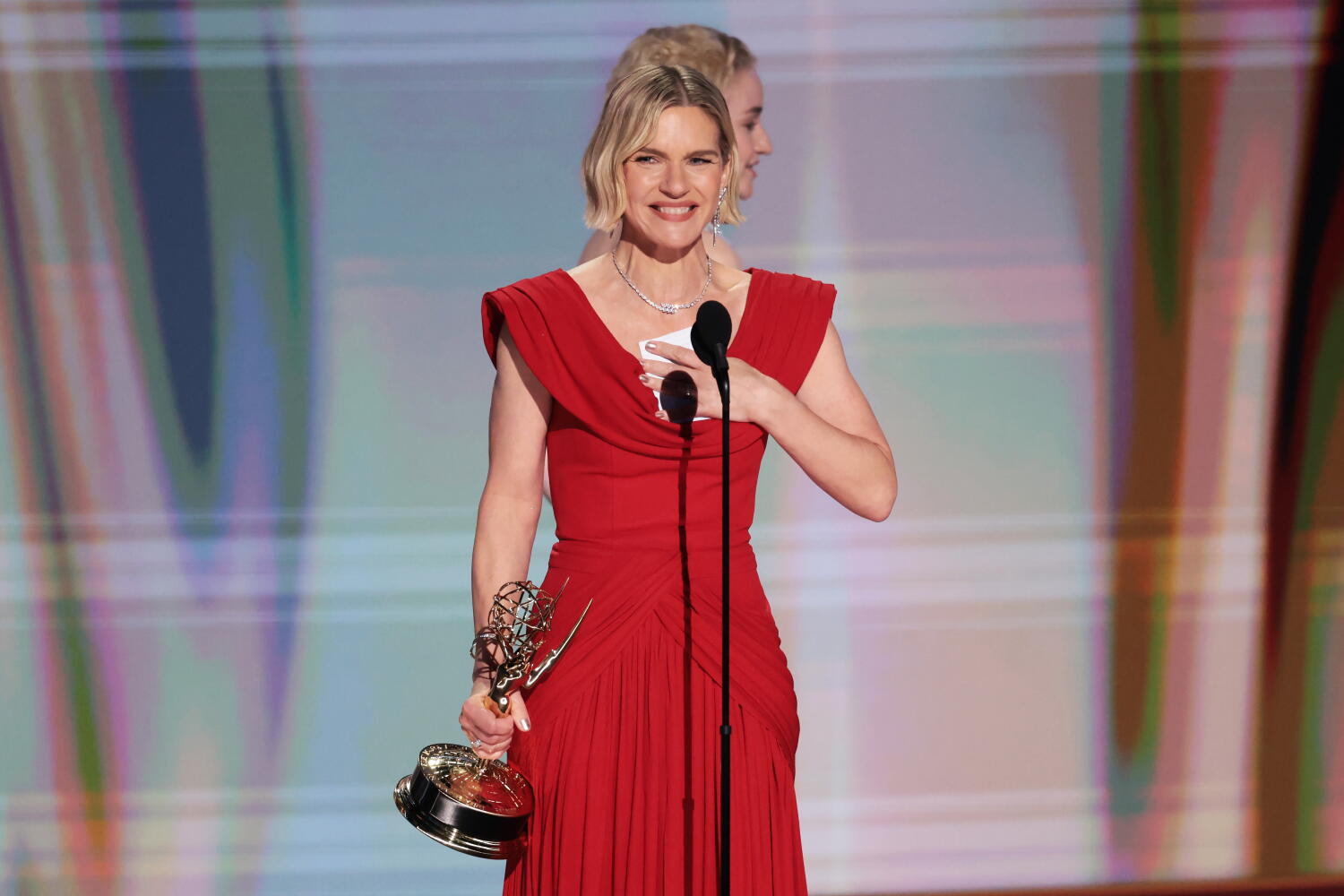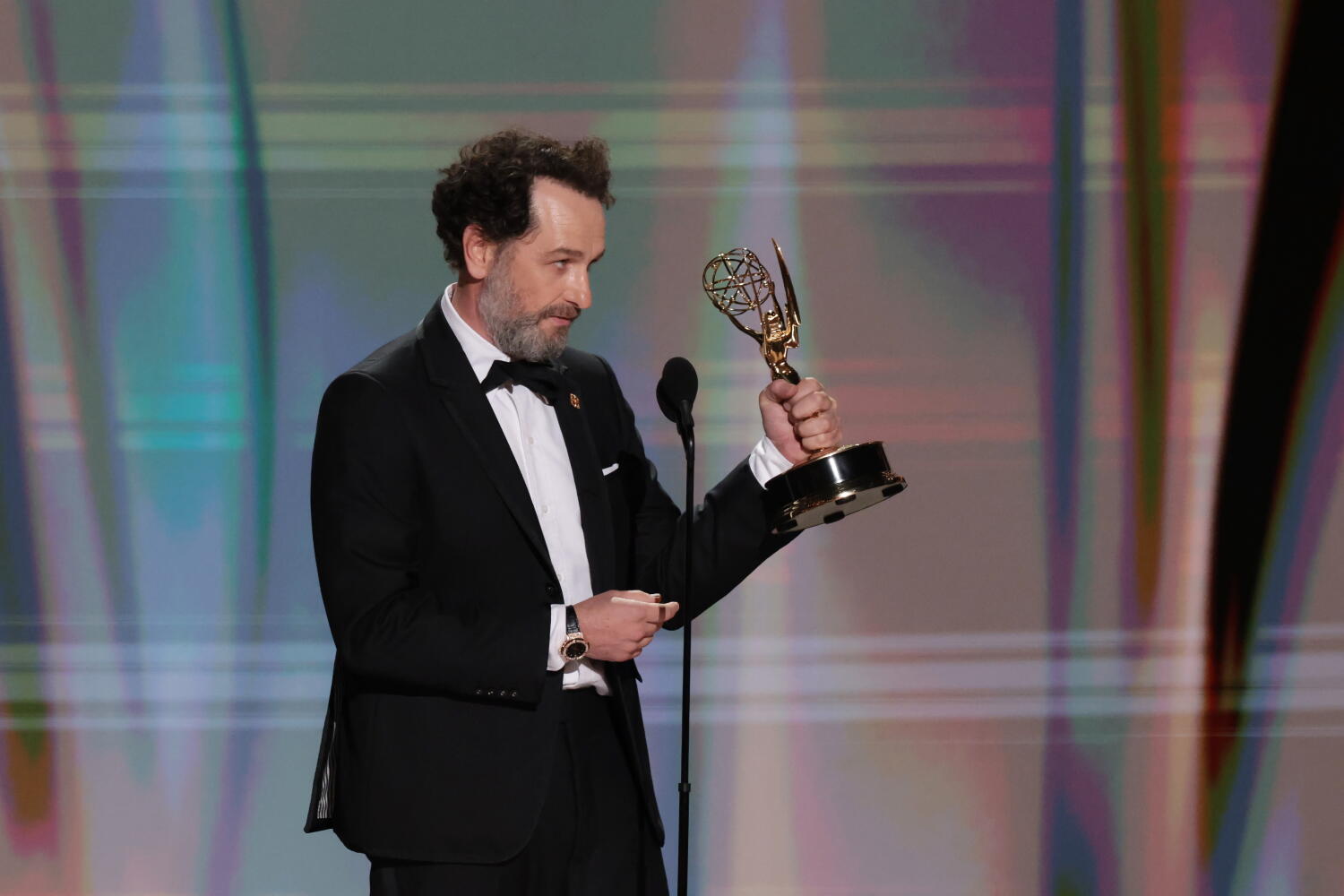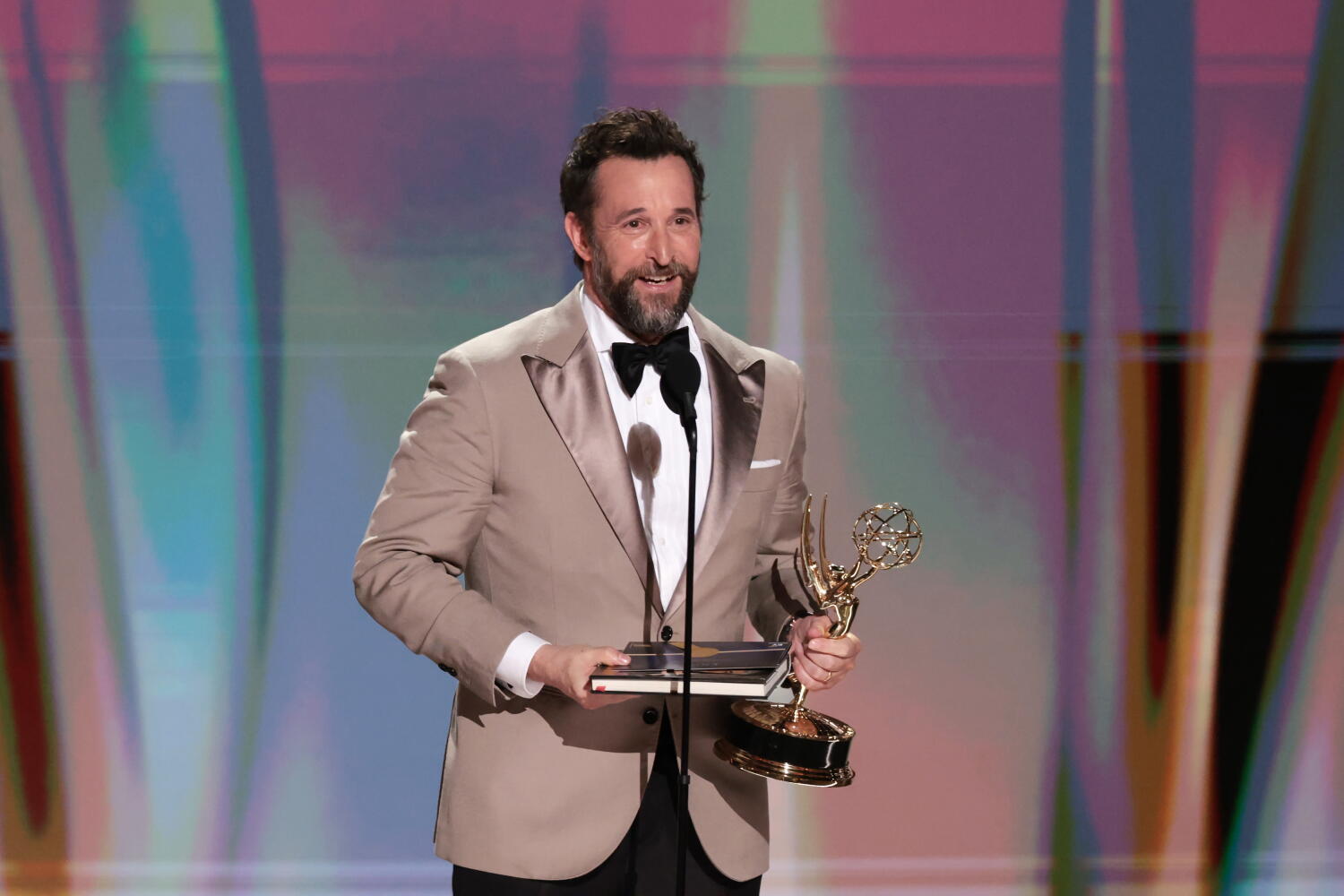
The mechanics of television longevity rely on a delicate equilibrium between historical brand equity and contemporary creative reinvention. When Noah Wyle secured his second consecutive Primetime Emmy Award for Outstanding Lead Actor in a Drama Series at the 78th Emmy Awards, the industry validation served as a metric for a broader structural phenomenon: the rare successful execution of a career-defining thematic return. Analyzing the trajectory of Warner Bros. Television and Max's The Pitt reveals specific variables driving this repeat victory, moving past surface-level acclaim to examine the operational realities of modern streaming prestige architecture.
The Cost Function of Serialized Medical Drama
The modern television landscape operates under extreme churn pressures. Serialized dramas must solve a distinct equation: balancing procedural familiarity with serialized narrative density. For The Pitt, which tracks a hyper-accelerated 12-hour shift format inside an emergency room setting, the structural constraints dictate the pacing.
Each episode functions as a discrete operational unit while advancing multi-episode character arcs. By compressing the timeline into real-time or near-real-time mechanics, the production minimizes dead narrative space. This design choice alters the performance requirements for the central anchor, Dr. Michael “Robby” Robinavitch.
The physical and psychological toll depicted on screen mirrors the logistical complexity of the production itself. Wyle functions not merely as an on-screen talent but as an executive producer, writer, and director across various episodes. This vertical integration of responsibilities eliminates traditional friction points between showrunning mandates and actor execution. When a principal actor holds systemic control over narrative direction, the character's motivation remains tightly aligned with the structural goals of the series.
The Authority Gradient in Competitive Categories
The Lead Actor in a Drama Series category represents a high-barrier-to-entry cohort. Wyle’s competition at the 78th Emmys included established heavyweights such as Gary Oldman, Sterling K. Brown, Mark Ruffalo, and Rufus Sewell. Securing a consecutive victory against this tier of nominees highlights two distinct validation vectors:
- Inherent Audience Scale: Streaming metrics indicate that The Pitt captured substantial sustained viewership, averaging millions of households per episode during its seasonal runs. Mass scale combined with critical acclaim creates a compounding effect among voting blocs.
- Nostalgia Arbitrage versus Contemporary Execution: While Wyle carries deep historical goodwill stemming from his foundational years on ER, a repeat win cannot rely on legacy alone. The Academy's repeat recognition signals that the character's evolution in Season 2 transcended the initial novelty of his return to the medical genre.
The following breakdown details the core operational inputs that drove the production to critical stabilization:
- Script Density: The writing staff utilizes hyper-local medical triage scenarios to expose broader systemic failures, preventing the narrative from sliding into formulaic melodrama.
- Ensemble Integration: Rather than relying on a singular charismatic lead, the show distributes narrative pressure across an expansive call sheet, lowering the burnout rate of the primary character's dramatic arc.
- Directorial Consistency: By employing recurring creative leadership behind the camera, the visual language maintains clinical precision without stylistic fragmentation.
The Mechanics of Repeat Recognition
In prestige television, the first award often rewards the surprise value of a reinvention. The second award, however, measures institutional trust. Voters evaluate whether the performance has sustained its depth or degraded into caricature.
Wyle’s portrayal avoids stagnation by leaning into the character's institutional fatigue and ethical compromises. The writing does not present Dr. Robinavitch as an infallible hero; instead, it exposes the operational inefficiencies and moral compromises required to function within a collapsing healthcare infrastructure. This realism provides actors with high-variance emotional material, which translates effectively to voting committees looking for dramatic range.
Furthermore, the production schedule—moving swiftly from the initial 2025 launch to subsequent seasonal pickups and early preparations for Season 3—demonstrates a reliable delivery pipeline. Consistency in output reduces distribution anxiety for the platform and reassures industry voters of the show's long-term viability.
Strategic Outlook for Serialized Production
The trajectory of The Pitt establishes a blueprint for reviving traditional broadcast formats within modern streaming architectures. By combining the high-cadence storytelling of classic medical procedural formats with the serialized character deep-dives demanded by prestige platforms, the production captures dual-market appeal.
Future longevity will depend on the writers' room maintaining narrative tension without escalating into contrived catastrophes. If the series continues to ground its dramatic stakes in systemic realism rather than sensationalism, it will retain its competitive edge through subsequent production cycles. The strategic play for competing networks attempting to replicate this success lies not in chasing nostalgia, but in empowering experienced talent with structural control over the creative process from inception through execution.