A Violent Display off the Coast
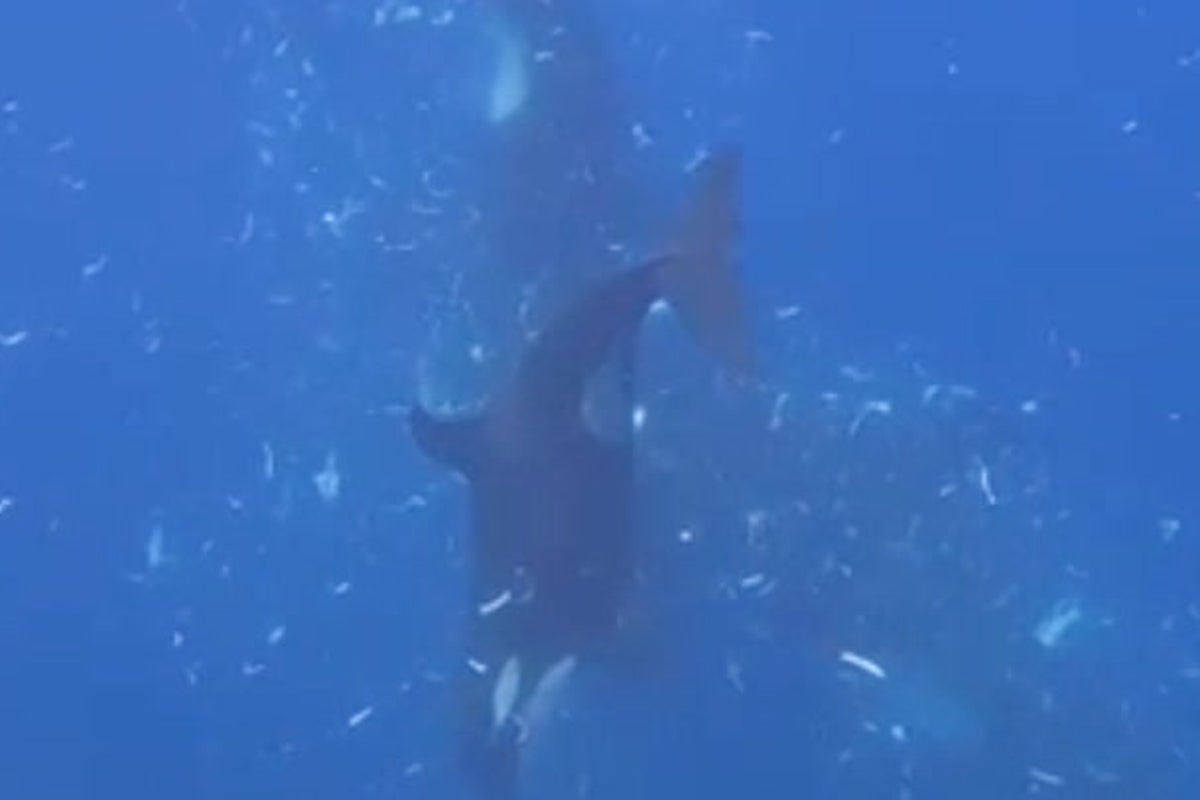
Recent footage capturing killer whales violently bashing ocean sunfish at the surface has forced marine biologists to confront an unsettling question. Are these apex predators executing a calculated hunting maneuver, or are they engaging in pure, unadulterated recreational violence? The footage shows orcas repeatedly launching massive Mola mola into the air, slapping them with fluke strikes, and disabling them long before making a meal of their remains. While casual observers might see gratuitous cruelty, cetacean specialists recognize a complex overlap between tactical efficiency and social play.
Ocean sunfish seem like an unlikely target for an animal capable of taking down gray whale calves or sea lions. Mola mola are slow, possess minimal nutritional value relative to their massive size, and consist largely of thick, rubbery skin and gelatinous connective tissue. Yet, transient orcas—also known as Bigg's killer whales—frequently target them. Understanding why requires stripping away romanticized notions of wild animals as purely utilitarian survival machines.
       ORCA HUNTING BEHAVIOR MATRIX
┌───────────────────────┬────────────────────────┐
│ Tactical Objective    │ Secondary Driver       │
├───────────────────────┼────────────────────────┤
│ Target Disablement    │ Juvenile Training      │
│ Risk Mitigation       │ Pod Social Bonding     │
│ Energy Optimization   │ Sensory Stimulation    │
└───────────────────────┴────────────────────────┘
The Physics of a Fluke Strike
An ocean sunfish can weigh well over two thousand pounds. Moving a creature of that mass requires immense kinetic force, which orcas deliver through powerful tail slaps. By driving their flukes upward at high speeds, orcas generate hydrodynamic pressure waves that shock the target, followed by direct physical impact that ruptures the sunfish's internal organs.
They hit hard.
The blunt force trauma serves a very practical purpose. Sunfish lack a traditional bony skeleton, relying instead on a thick shell of tough collagen beneath their skin. A standard bite often slides off or fails to inflict immediate, incapacitating damage. Bashing the fish against the water's surface breaks down this tough tissue outer layer, rendering the animal helpless and far easier to consume.
Risk Management in the Water Column
Every hunt carries a cost. Even a slow-moving target like a sunfish presents potential hazards if handled improperly.
- Parasite loads: Sunfish carry heavy burdens of skin parasites, which orcas avoid ingesting directly by tearing open specific sections of muscle tissue.
- Abrasive skin: The rough texture of sunfish skin can cause micro-abrasions on an orca's mouth lining if bitten directly while the fish is still moving.
- Energy conservation: Immobilizing a sunfish immediately prevents it from sinking deeper into the water column, where retrieval demands significantly more oxygen and energy.
Play, Practice, or Precision
To label this behavior strictly as feeding ignores decades of field observations. Orcas possess large, hyper-complex brains featuring an expanded paralimbic system, the area responsible for processing emotions, social bonds, and complex cognitive tasks. They get bored.
┌──────────────────────────────────────────────────────────┐
│                   THE BEHAVIORAL SPECTRUM                │
│                                                          │
│  Lethal Efficiency ◄──────────────────► Pure Play       │
│  (Quick Kill)         (Target Practice)   (Fluke Bashing)│
└──────────────────────────────────────────────────────────┘
When a pod encounters a slow, floating target that offers zero physical threat, the hunting dynamic shifts. The encounter transforms into an arena for cultural transmission and skill refinement.
Training the Next Generation
Young orcas do not inherit hunting prowess through instinct alone. They must learn it. Watching an adult male launch a one-ton sunfish twenty feet into the air provides a masterclass in motor control and spatial awareness for juveniles traveling alongside the pod. Adults frequently disable a sunfish and then back off, allowing younger calves to practice their tail slaps on the defenseless prey. What looks like prolonged torture to a human observer acts as an essential classroom for a young predator learning how to manipulate heavy objects in a three-dimensional fluid environment.
"Predation in marine mammals isn't always a straight line between hunger and a kill. Social learning requires live subjects, and nature rarely aligns with human ethics."
Dopamine and the Mechanics of Thrill
Wild animals experience play for the exact same evolutionary reasons mammals on land do. It stimulates brain chemistry, builds physical endurance, and reinforces social hierarchy within the pod. When food is abundant, the drive to kill efficiently drops. The drive to experiment takes over.
Orcas have been documented carrying dead salmon on their heads, harassing harbor porpoises without eating them, and playing tug-of-war with kelp fronds. Bashing a sunfish sits squarely on this spectrum. It provides high sensory feedback—the splash, the impact, the resistance of the target—without any risk of counter-attack.
Comparing Prey Strategies
The approach orcas take with sunfish differs wildly from how they handle other marine life.
| Prey Type | Primary Method | Primary Risk Factor | Social Dynamics |
|---|---|---|---|
| Ocean Sunfish | Surface bashing, fluke slaps | Low energy return | High play factor, juvenile training |
| Sea Lions | Wave-washing off ice, flinging | Bites, physical injury | Tactical coordination |
| Great White Sharks | Ramming, tonic immobility | Defensive bites | Surgical precision, target organ extraction |
| Baleen Whales | Prolonged drowning, suffocation | Extreme exhaustion | Full pod mobilization |
Against a shark, an orca acts with terrifying, surgical speed, targeting the liver with minimal flair to avoid a lethal bite. Against a sunfish, that caution vanishes. The disparity reveals an apex predator fully aware of its target's helplessness, adjusting its energy output and playfulness accordingly.
The Problem With Anthropomorphism
Human observers naturally project moral frameworks onto animal behavior. Terms like "cruel," "sadistic," or "mean" fill online comment sections whenever footage of orcas tossing prey surfaces. Apply those labels, and you completely miss the ecological reality.
Nature operates on energy budgets and survival metrics, entirely indifferent to human ideas of fair play. An orca flinging a sunfish isn't acting out of malice. It is operating at the absolute top of the food chain, executing an optimal blend of prey processing, juvenile instruction, and cognitive stimulation. The brutal display is simply what happens when supreme intelligence meets an ocean full of defenseless targets.

/https://i.s3.glbimg.com/v1/AUTH_e84042ef78cb4708aeebdf1c68c6cbd6/internal_photos/bs/2026/g/B/3vpkvHQKizRKAfzDxjXA/vini-jr-antes-e-depois.jpg)