The Fetishization of Single-Species Revival
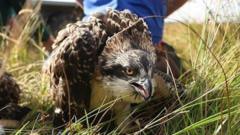
Eco-champions are uncorking the champagne over two tiny, helpless fledglings on Anglesey. The headlines call it historic. The wildlife charities are calling it a triumph of modern conservation strategy.
They are wrong.
What we are witnessing is expensive, performative vanity. Celebrating two birds on a single nest in Wales while wider ecosystems collapse around them is like repainting the patio chairs on the Titanic and declaring the voyage a success.
Modern conservation has fallen into a dangerous trap: metric obsession over single, photogenic species. We spend hundreds of thousands of pounds, deploy 24-hour guard shifts, set up high-definition live streams, and pat ourselves on the back when a top-tier predator successfully breeds. Meanwhile, the unglamorous groundwork of environmental health—soil biology, invertebrate numbers, river chemistry—is quietly dying off.
We have traded real ecological restoration for a PR machine that measures success by cute nest-cam views.
Why the Anglesey Osprey Narrative is Flawed
The media loves a comeback story. It is easy to write, easy to digest, and easy to monetize through donor appeals. But let us dismantle the mechanics of this so-called historic win.
1. Artificial Lifelines Create Ecological Illusions
When a species requires intense human intervention, round-the-clock monitoring, and bespoke nesting platforms just to produce two chicks, that is not a wild population recovering. It is an ecological zoo without fences. If you turn off the cameras, remove the wardens, and stop managing the immediate perimeter, the success rate drops off a cliff.
True ecological health is self-sustaining. This is micromanaged agriculture disguised as wilderness protection.
2. The Opportunity Cost is Staggering
Every pound poured into high-profile apex bird monitoring is a pound pulled away from unglamorous, foundational habitats.
- Peat bogs get fractions of the media coverage despite acting as massive carbon sinks.
- Freshwater invertebrates are dying from agricultural runoff, breaking the bottom of the food chain.
- Soil fungi networks are wiped out by chemical treatments.
Without the bottom of the food pyramid, hosting two top-level predators on an island is just playing house. We are funding the hood ornament on a car that does not have an engine.
3. The Reintroduction Blindspot
Ospreys are opportunistic, highly mobile hunters. The assumption that two chicks fledging in North Wales signifies a healthier local aquatic environment is logically bankrupt. These birds will fly miles to stockponds or managed fisheries to steal introduced trout if local wild rivers are depleted. Their presence masks degraded river systems rather than proving their health.
       CONVENTION CONSERVATION               FUNCTIONAL ECOSYSTEM RESTORATION
 ┌──────────────────────────────────┐      ┌──────────────────────────────────┐
 │  High-Profile Apex Species       │      │  Microbial & Soil Health         │
 │  (Ospreys, Eagles, Red Kites)    │      │  (Fungi, Earthworms, Bacteria)   │
 ├──────────────────────────────────┤      ├──────────────────────────────────┤
 │  Heavy Human Intervention        │  vs  │  Invertebrates & Plant Life      │
 │  (Nest cams, guards, feeding)    │      │  (Insects, Pollinators, Flora)   │
 ├──────────────────────────────────┤      ├──────────────────────────────────┤
 │  PR-Driven Metric Success        │      │  Self-Sustaining Habitat Web     │
 │  (Easy clicks, easy donations)   │      │  (Resilient, unmanaged networks) │
 └──────────────────────────────────┘      └──────────────────────────────────┘
The Reality of Wildlife Resource Allocation
Having spent years analyzing environmental policy and corporate-backed green initiatives, I have watched conservation boards throw millions at marquee projects simply because they generate easy headlines. It is the eco-equivalent of a company spending its entire budget on a splashy marketing campaign while the actual product is broken.
If you measure success by emotional engagement, the Anglesey nest is a home run. If you measure it by bio-abundance per square kilometer, it is a rounding error.
| Conservation Approach | Core Focus | Long-Term Viability | Public Perception | Actual Ecological Impact |
|---|---|---|---|---|
| Marquee Species (Anglesey Model) | Apex Predators / Birds of Prey | Low (Requires constant intervention) | Extremely High (Viral appeal) | Low to Isolated |
| Trophic Rewilding | Key System Engineers (Beavers, Fungi) | High (Self-regulating over time) | Moderate (Less "cute" factor) | Massively High |
| Habitat Remediation | Water Quality, Soil, Flora | High (Fixes the root cause) | Low (Boring to the general public) | Maximum Scalability |
The uncomfortable truth is that we pick species to save based on how good they look on a mug or a tote bag.
What Real Ecological Restoration Looks Like
If we actually cared about long-term biological survival in the UK, we would stop obsessing over isolated nesting sites and completely change our operational priorities.
Stop Managing Nests; Fix the Catchments
You want ospreys to thrive in Wales? Stop guarding individual trees and start prosecuting the industrial agricultural units dumping nitrates into the river systems. Fix the water chemistry. Bring back native sea trout stocks. If the river is teeming with life, birds will nest on telegraph poles without needing a single conservation officer on the payroll.
Shift Funding to System Engineers
Instead of spending resources on species at the absolute top of the tree, channel capital into system engineers.
- Beavers create wetlands that filter water, stop flooding, and create habitats for thousands of species.
- Native scrub and woodland offer shelter for complex food webs.
- Fungal networks rebuild dead soil.
When you restore the structure, the apex predators show up naturally. You do not need to construct expensive wooden platforms for them when you actually have mature, dynamic natural habitats.
The Trade-Off We Must Accept
Moving away from single-species obsession means accepting uncomfortable outcomes. Some popular animals might not return immediately. Some localized projects will fail publicly. You cannot guarantee a high-definition webcam stream of a dramatic feeding scene every spring if you spend your budget on soil testing and riverbed restoration.
We have to trade warm-and-fuzzy PR for invisible, unsexy resilience.
The Hard Choice Facing Environmental Strategy
The celebration of the Anglesey osprey chicks is proof of our collective distraction. We are cheering for a couple of extra leaves on a tree whose roots are rotting in toxic mud.
Until we stop letting emotional PR dictate environmental strategy, we will keep celebrating micro-victories while losing the macro-war.
Rip down the live-stream cams. Redirect the monitoring budgets toward raw, structural land remediation. Stop building artificial nests and start rebuilding functional systems.