The containment of public assembly relies not on physical confrontation, but on the systematic modification of spatial and behavioral psychology. When law enforcement agencies deploy heightened manpower around a geographically symbolic node, the operational objective shifts from reactive crowd control to preventive friction. This friction is engineered to systematically increase the personal cost of participation until the probability of collective action drops to zero.
The tactical response around Victoria Park and Causeway Bay provides a highly optimized blueprint for this methodology. By mapping the mechanics of preventive policing, we can isolate the core operational frameworks that state actors use to neutralize dissent before a single crowd can form.
The Cost Function of Visibility: Spatial Disruption Frameworks
Traditional policing strategies focus on containing an active event; contemporary preventive policing focuses on eliminating the spatial conditions required for an event to exist. This is achieved through a tripartite framework designed to maximize the friction experienced by any individual entering the targeted zone.
[Targeted Zone Perimeter]
       │
       ▼
1. Physical Reallocation (Asset Overwrites / Commercial Carnivals)
       │
       ▼
2. Kinetic Friction (High-Density Interventions / Area Sweeps)
       │
       ▼
3. Legal/Asymmetric Liabilities (Arbitrary Detentions / Low-Threshold Charges)
1. Spatial Asset Overwrite
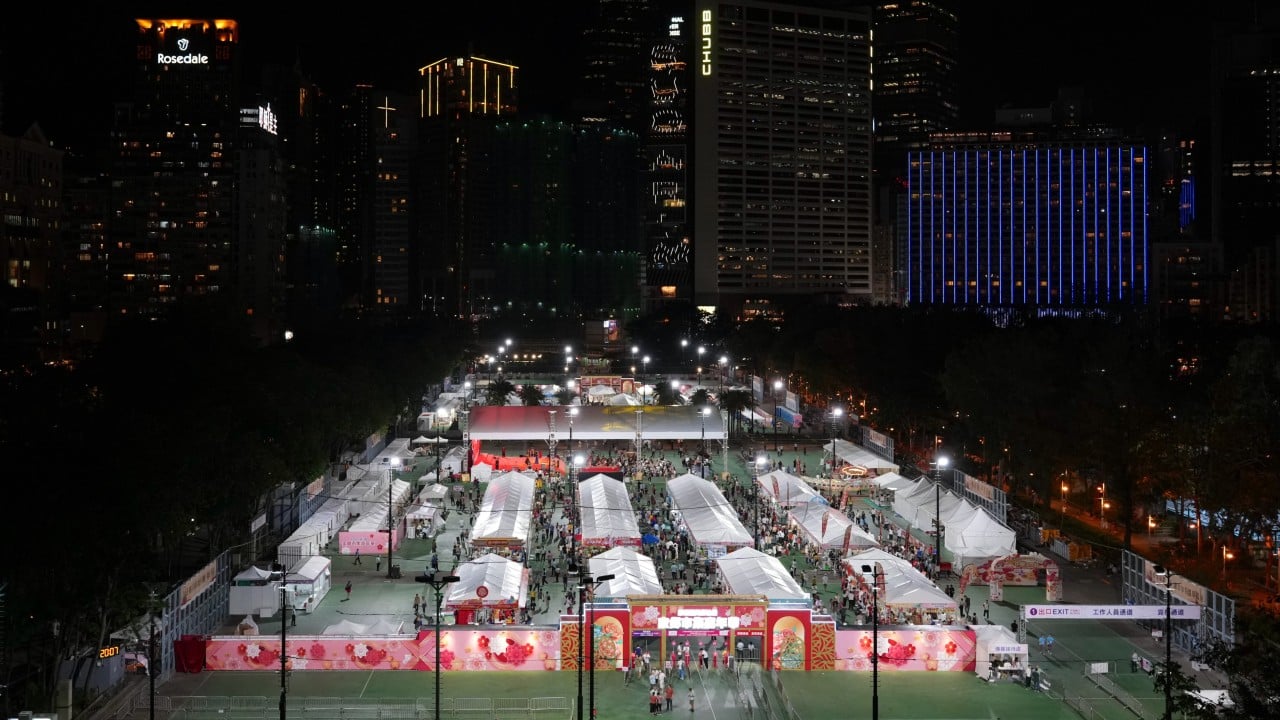
The most effective way to eliminate a public gathering is to make the physical space unavailable via competing legal infrastructure. By repurposing a public square or park for a state-sanctioned food carnival, trade expo, or patriotic celebration, the state achieves two structural outcomes. First, it forces a direct logistical conflict: any unsanctioned gatherer is now trespassing on or disrupting an authorized commercial or cultural footprint. Second, it alters the visual narrative. A heavily patrolled empty square signals raw state suppression; a vibrant, crowded market signals normalcy. This effectively neutralizes the visual contrast that international media relies upon to frame dissent.
2. Micro-Kinetic Friction
For individuals who still attempt to navigate the perimeter, the state introduces extreme kinetic friction through high-density stop-and-search operations. The operational goal here is not necessarily to find contraband, but to destroy the psychological comfort of anonymity. When an individual is stopped every fifty meters to have their identification logged and personal belongings cataloged, the spatial experience transforms from a public thoroughfare into a highly monitored processing channel. The temporal cost and psychological strain of simply standing still or moving through the space escalate sharply, discouraging casual participants and isolating hard-core activists.
3. Asymmetric Legal Liabilities
The final pillar of spatial deterrence relies on low-threshold, non-definitive enforcement mechanisms. In the tactical deployment observed, seven individuals were intercepted and removed from the Causeway Bay sector. The operational execution did not rely on heavy, high-stakes indictments like treason or systemic subversion at the point of contact. Instead, enforcement mechanisms utilized flexible statutory tools such as "disrupting order in a public place" or committing a "breach of the peace."
These designations function as low-threshold, high-utility legal levers. They allow field units to swiftly remove symbolic actors from the ecosystem without needing immediate, ironclad evidentiary standards required for high-level political trials. The removal itself executes the immediate strategic goal: total disruption of continuity.
The Micro-Signaling Bottleneck: The War on Semi-Symbolism
As large-scale public assemblies become structurally impossible due to spatial friction, dissent undergoes a process of extreme optimization, shrinking from mass crowds down to individual, highly compressed symbolic gestures. An activist miming the pouring of wine, holding a yellow paper flower, or walking with a specific balloon shape is attempting to bypass explicit prohibitions while still broadcasting a recognizable message to an attuned audience.
This compressed signaling, however, creates a severe operational bottleneck for the individual. For a symbol to be effective as an act of resistance, it must be legible to the public. If the symbol is highly legible to the public, it becomes instantly recognizable to the state's intelligence apparatus.
[Individual Gesture] ──> [High Public Legibility] ──> [Instant State Identification] ──> [Swift Extraction]
This creates a self-terminating loop for micro-protest. The moment a gesture crosses the threshold into public legibility, it triggers immediate enforcement. The state’s tactical counter-measure is a policy of zero-tolerance for symbolic ambiguity. By treating a paper flower or an air-drawn number with the same kinetic response as a megaphone or a banner, the police dismantle the gray zone between legal presence and illegal protest. The strategic objective is to signal to the broader populace that intent is just as punishable as explicit action, thereby chilling the desire to engage in creative or subtle resistance.
Logistics of the Perimeter: The Multi-Layered Containment Grid
The deployment of thousands of officers across a single urban sector requires a sophisticated command architecture to avoid tactical paralysis. State forces implement a multi-layered containment grid that scales operational intensity based on proximity to the symbolic node.
- The Outer Filter: Positioned at major transit hubs and subway exits leading into the target district. Officers here conduct random, high-volume identification checks. The objective is to identify known repeat actors before they can approach the core zone and to deter casual sympathizers by signaling the sheer scale of the police presence early.
- The Intermediate Chokepoint: Established at major intersections, pedestrian crossings, and commercial entry points surrounding the park or square. This layer utilizes tactical barriers to funnel foot traffic into narrow, easily observable corridors. Mobile response units patrol these corridors constantly, ensuring that no stationary groups form.
- The Core Isolation Zone: The immediate perimeter and interior of the symbolic site. This area is completely locked down, frequently backed by heavy water barriers or tactical vehicles. Access is strictly rationed to authorized personnel or ticketed attendees of state-approved events. The presence of law enforcement here is absolute and kinetic, designed to make any unsanctioned presence immediately obvious and instantly actionable.
This grid architecture ensures that energy is dissipated long before it can coalesce at the core. A crowd cannot form because the constituent components of that crowd are intercepted, delayed, and decoupled miles before they reach the intended flashpoint.
Strategic Outlook and Enforcement Forecasts
The operational patterns documented demonstrate that physical deterrence has successfully transitioned into a permanent, highly institutionalized administrative routine. The reliance on reactive crowd control has been completely superseded by a proactive, data-driven security matrix designed to prevent the initial accumulation of social momentum.
The long-term trajectory of this policing model points toward an increasing reliance on algorithmic surveillance and predictive spatial management. As physical deployments are optimized, manual stop-and-search actions will increasingly be informed by real-time facial recognition networks, automated sentiment analysis of digital spaces, and predictive behavioral profiling. The reliance on massive physical perimeters will gradually scale back as digital fencing and real-time tracking allow field units to execute surgical, preemptive extractions long before targeted individuals even reach transit hubs. For civil society, this means the gray zones of ambiguity will continue to contract, transforming public spaces into highly regulated, functionally neutral zones where visibility is inextricably linked to state-defined compliance.


