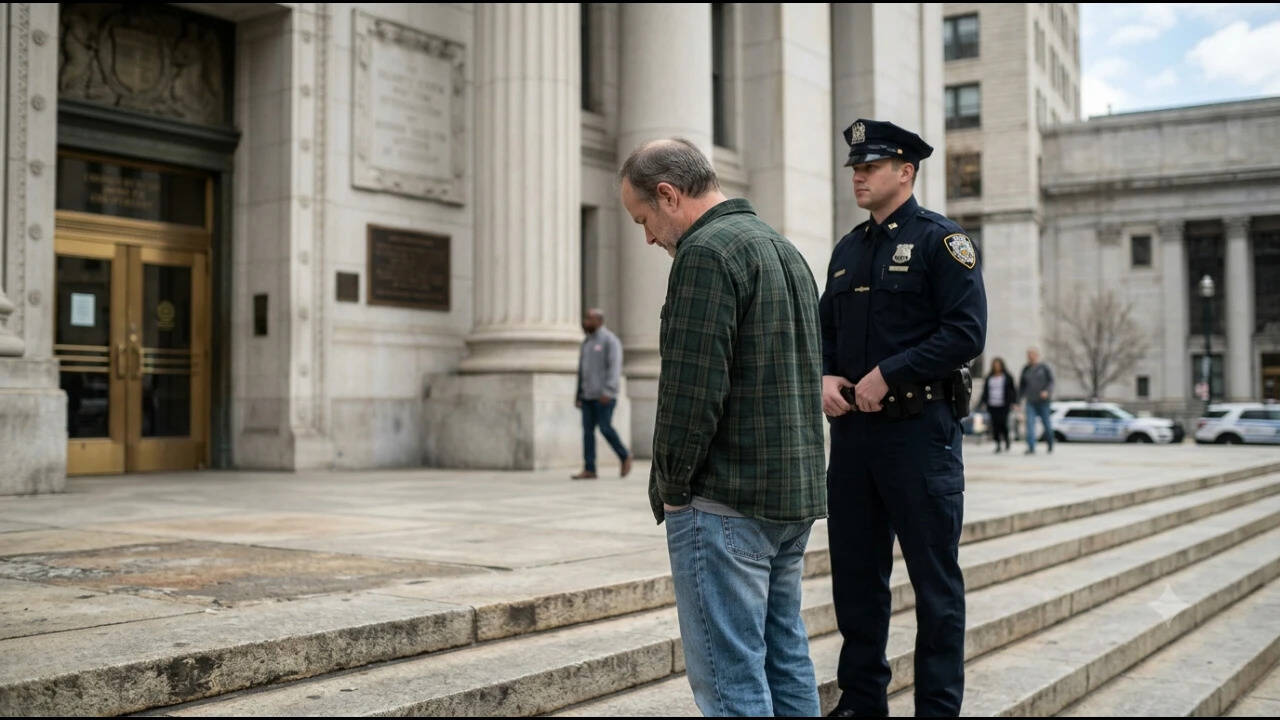
John E. Brown II did not sell a single ticket. He sold a fantasy wrapped in technological jargon, preying on the eternal human desire for easy access to high-demand entertainment. When Brown, a 45-year-old resident of Brecksville, Ohio, stood before a federal court to plead guilty to 17 counts of wire fraud and two counts of engaging in monetary transactions in criminal proceeds, he pulled the curtain back on a multi-million dollar illusion. The scheme extracted over $3 million from unsuspecting investors in Ohio and Florida by leaning on a fabricated concept known as "rolling code ticket packages" tied to elite sporting events and major theme parks.
Financial fraud thrives in the gray spaces where technical complexity meets consumer FOMO. By utilizing pseudo-technical terminology that sounded like proprietary software logistics, Brown constructed an environment where questions were discouraged and high yields were treated as an inevitable mathematical certainty.
The Anatomy of the Phantom Asset
The core deception relied on inventing a supply chain that had no physical or digital reality. Victims were told their capital would directly fund bulk purchases of rolling code ticket packages. In the secondary ticket market vernacular, rolling codes represent dynamic, cryptographically secure barcodes that refresh every few seconds to prevent theft or unauthorized transfer. To an outsider unfamiliar with primary ticketing infrastructure, the phrase sounds sophisticated, exclusive, and expensive.
Brown framed these fictional packages as an insider pipeline. Investors believed they were backing a high-volume arbitrage play, securing admission passes to premier sports games and high-end theme park experiences before they hit the open market. The pitch promised rapid returns, exploiting the well-documented frenzy surrounding live entertainment economics. Modern ticketing is notoriously cutthroat, plagued by dynamic pricing, verified fan queues, and predatory scalper bots. This volatile backdrop made the promise of a quiet, back-channel wholesale allocation sound entirely plausible to people looking for an alternative asset class.
The mechanics of the fraud followed a classic playbook with a modern technical gloss. When investors demanded proof of life for their capital, or asked why distributions were delayed, Brown did not stumble. He manufactured elaborate, falsified documents showing legitimate ticket code acquisitions. These forged spreadsheets and confirmation logs served as psychological anchors, reassuring victims that their money was actively deployed in a lucrative, albeit complex, market sector.
Where the Money Actually Went
The illusion of high-stakes corporate arbitrage masked a very mundane, destructive reality. While victims envisioned their funds moving through sophisticated digital clearinghouses and primary vendor contracts, the cash flowed into personal accounts and casino floors. Federal investigators tracked how the millions extracted from victims were systematically funneled into gambling expenditures and personal lifestyle maintenance.
This divergence between narrative and execution highlights a recurring vulnerability in private investment oversight. Investors often confuse the charisma of an operator with the validation of an asset class. Because the secondary ticket market is characterized by rapid cash turnover and high margins, it serves as an effective camouflage for bad actors. If an investment vehicle promises extraordinary short-term gains derived from a niche commercial sector, the burden of proof must extend far beyond a convincing vocabulary and forged balance sheets.
When the house of cards began to wobble, the strategy shifted to defensive fabrication. Fraudsters operating at this level rely heavily on the sunk cost fallacy. Victims, having already committed significant capital, are psychologically primed to accept convoluted excuses rather than admit they have been swindled. By issuing fresh batches of forged documentation, Brown bought months of runway, extending the lifecycle of the enterprise long past the point where a traditional business would have collapsed under its own weight.
The Broader Vulnerability in Alternative Markets
The Brecksville case is not an isolated aberration; it is a symptom of a broader cultural susceptibility to alternative investment schemes. As traditional market yields fluctuate and retail investors search for high-alpha opportunities outside standard equities, fraudsters have expanded their repertoires. They no longer rely solely on generic real estate or cryptocurrency hypes. Instead, they weaponize niche industries—sports memorabilia, luxury goods, ticket logistics, and entertainment rights—knowing that outsiders will defer to their supposed operational expertise.
When someone claims exclusive access to a proprietary system that routinely prints double-digit returns with minimal risk, the red flags are structural. Legitimate secondary market operations involving high-demand tickets require massive liquidity, established platform integrations with primary brokers like Ticketmaster or AXS, and rigorous legal compliance. They do not operate through informal promissory notes managed by independent individuals operating out of suburban residences.
The legal system has now caught up with John E. Brown II, securing guilty pleas across multiple federal wire fraud and money laundering counts. Yet the psychological architecture that allowed the scheme to function remains intact across the broader financial landscape. As long as buyers and investors chase exclusive access to high-demand experiences without demanding transparent, verifiable chain-of-custody data, phantom markets will continue to find eager financiers.
The docket closes, but the underlying vulnerability persists, waiting for the next innovator who knows how to make a nonexistent ticket sound like a guaranteed fortune.
This video provides context on how localized memorabilia and collectibles fraud operates within similar circles in Ohio.