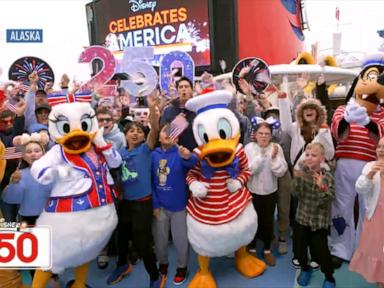
The maritime industry has converted America’s 250th anniversary from a historical milestone into a massive, coordinated decentralized deployment of capital. While mainstream media frames the summer 2026 activations around superficial patriotic aesthetics—such as balloon drops, commemorative beverage cans, and vintage vessels—the operational reality represents a complex, multi-layered logistics exercise. Operators are balancing fleet repositioning dynamics, inventory distribution constraints, and cross-promotional brand alliances to maximize passenger yield during a high-visibility booking cycle.
A critical structural dynamic underpins these activations: the strict geographic bifurcation between the transit-heavy Alaska and West Coast corridors and the heritage-driven Atlantic theater. Understanding how cruise operators leverage regional consumer psychology and asset availability reveals the modern playbook for executing large-scale experiential hospitality campaigns.
The Bifurcated Operating Model: West Coast Captive Audiences vs. East Coast Port Densities
Cruise operators face a fundamental geographical constraint when programming national milestone events. The East Coast benefits from high port density and deep historical linkages, allowing for continuous maritime spectacles like Sail250 and Sail 4th 250. In contrast, the Pacific Northwest and Alaskan corridors operate within an isolated, closed-loop geographic circuit.
To maximize returns, operators deploy two distinct logistical frameworks:
[East Coast Model]  ---> High Port Density ---> Heritage-Driven Maritime Spectacles (Sail250)
[West Coast Model]  ---> Closed-Loop Circuit ---> Closed-System Immersive Environments (Alaska)
The Closed-System Immersive Model (The Alaska-Pacific Corridor)
In the Alaskan theater, brands like Holland America Line and Carnival Cruise Line cannot rely on historical architectural backdrops or multi-nation tall ship flotillas to drive consumer demand. Instead, the strategy shifts toward creating closed-system immersive environments.
Because vessels operating in Alaska face long transit times between isolated ports (such as Juneau, Skagway, and Ketchikan), the onboard environment must absorb 100% of the thematic demand. The operational framework relies on high-margin culinary and beverage integration rather than external programming. For example, Holland America Line’s deployment of fleetwide commemorations across all Alaskan holiday sailings relies heavily on localized supply chains delivering specialized menus, live music curation, and co-branded retail keepsakes to secure a captive wallet share.
The Interconnected Event Aggregation Model (The Atlantic Theater)
The Atlantic corridor relies on an entirely different economic driver: the network effect of port density. This environment allows for massive infrastructure coordination, epitomized by the convergence of over 50 international tall ships from 20 nations into the Port of New York and New Jersey for the July 4, 2026, Semiquincentennial.
Here, commercial operators like Carnival integrate their assets directly into municipal spectacles. The East Coast model relies on asset synchronization, such as positioning seven distinct ships to rendezvous near private destinations like Celebration Key in the Bahamas for coordinated pyrotechnic displays. This transforms the vessel from an isolated hotel into a floating viewing platform for external civic infrastructure.
The Economics of Milestone Co-Branding
Deploying a generalized patriotic theme yields diminishing returns; consumers demand hyper-specific, exclusive brand narratives to justify premium holiday pricing. To solve this, maritime operators use cross-promotional alliances to artificially increase the perceived value of standard cruise inventory.
Asset Aging and Product Lifecycle Extension
A prime example of this mechanism is the strategic partnership between Holland America Line and premium domestic distilleries, such as Jefferson’s Bourbon. The process involves aging select bourbon barrels dynamically at sea aboard commercial vessels. The kinetic energy of the ship, coupled with radical fluctuations in maritime climate and air salinity, alters the hyper-acceleration of the wood-to-liquid interaction.
From an analytical standpoint, this partnership solves a core marketing challenge: it provides an authentic, physics-based narrative that connects the luxury leisure brand to the historical American tradition of maritime exploration. The resulting product is a high-margin, exclusive asset available only within the operator's ecosystem, creating an internal supply chain loop that drives onboard premium beverage revenue.
Commodity Scarcity and Souvenir Micro-Economies
On mass-market lines like Carnival, the monetization strategy shifts from high-end craft exclusivity to high-volume micro-transactions. Operators achieve this through artificial scarcity:
- Proprietary Consumables: Introducing exclusive, limited-run inventory such as specialized "America's Cruisin'" beers and custom-designed "America250" aluminum packaging.
- High-Yield Add-Ons: Packaging these low-cost, high-margin items into premium beverage tiers to subtly drive up the average daily passenger spend without altering base cruise fares.
- Institutional Alignment: Incorporating highly symbolic gestures, such as flying U.S. Capitol-authenticated flags for selected military families and distributing custom veteran pins. This anchors the brand's corporate social responsibility initiatives directly to the passenger experience, driving brand equity among a core target demographic: retired and active-duty military personnel.
Supply Chain Constraints and the Logistical Bottleneck
Executing an identical thematic program simultaneously across a global or domestic fleet exposes significant operational vulnerabilities. The primary point of failure rests within the supply chain and distribution network required to outfit hundreds of vessels with identical physical collateral.
The Collateral Distribution Problem
To achieve visual consistency, operators must distribute oversized thematic collateral—including 40-foot custom hull inflatables, thousands of linear feet of specialized banners, and highly specific retail inventory—to disparate homeports ranging from Baltimore and Jacksonville to Long Beach and Seattle. Because cruise ships operate on razor-thin port turnaround windows (frequently under ten hours between disembarkation and embarkation), the delivery, custom inspection, and installation of this celebratory equipment must be timed with absolute precision. A single delay at a regional distribution center cascades into a compromised onboard experience for subsequent sailings.
Structural Compliance and Port Tariffs
Furthermore, international vessels participating in civic events face complex regulatory landscapes. The transit of historic foreign hulls—such as Texas's iconic square-rigged iron barque, the 1877 Elissa, or Colombia's ARC Gloria—into major commercial channels requires extensive coordination with the U.S. Coast Guard, local port authorities, and customs agencies. Operators must absorb these friction costs, balancing the promotional value of participating in massive public flotillas against the operational downtime and administrative overhead of cross-jurisdictional compliance.
Strategic Optimization for Future Milestone Events
To maximize capital efficiency during major national booking cycles, maritime operators must transition away from reactive, decoration-heavy programming and adopt a structural, data-driven approach to event-based deployment.
First, fleet allocation must prioritize high-yield regional corridors at least 24 months in advance. Operators should systematically favor closed-system immersive models in regions with limited external competition (such as Alaska), as these environments yield significantly higher internal margins on food, beverage, and retail than open-system models reliant on municipal fireworks or public port infrastructure.
Second, supply chain vulnerabilities should be mitigated by establishing localized procurement loops rather than relying on centralized international shipping for thematic materials. Partnering with regional craft producers for location-specific culinary and beverage options removes the logistical bottleneck of port-turnaround installations while fulfilling consumer demand for authentic, non-generic holiday experiences.
Finally, brand partnerships should focus strictly on co-created, age-verified assets that carry intrinsic value beyond the holiday weekend. Developing exclusive, maritime-aged products or long-term historical tourism partnerships creates a sustained product differentiator that outlasts the temporary demand spike of a single national anniversary.