When an aircraft hurtles toward the earth, the final seconds are rarely defined by a single catastrophic mechanical failure. More often, the wreckage reveals a quieter, more terrifying truth. Human systems break down long before metal shears.
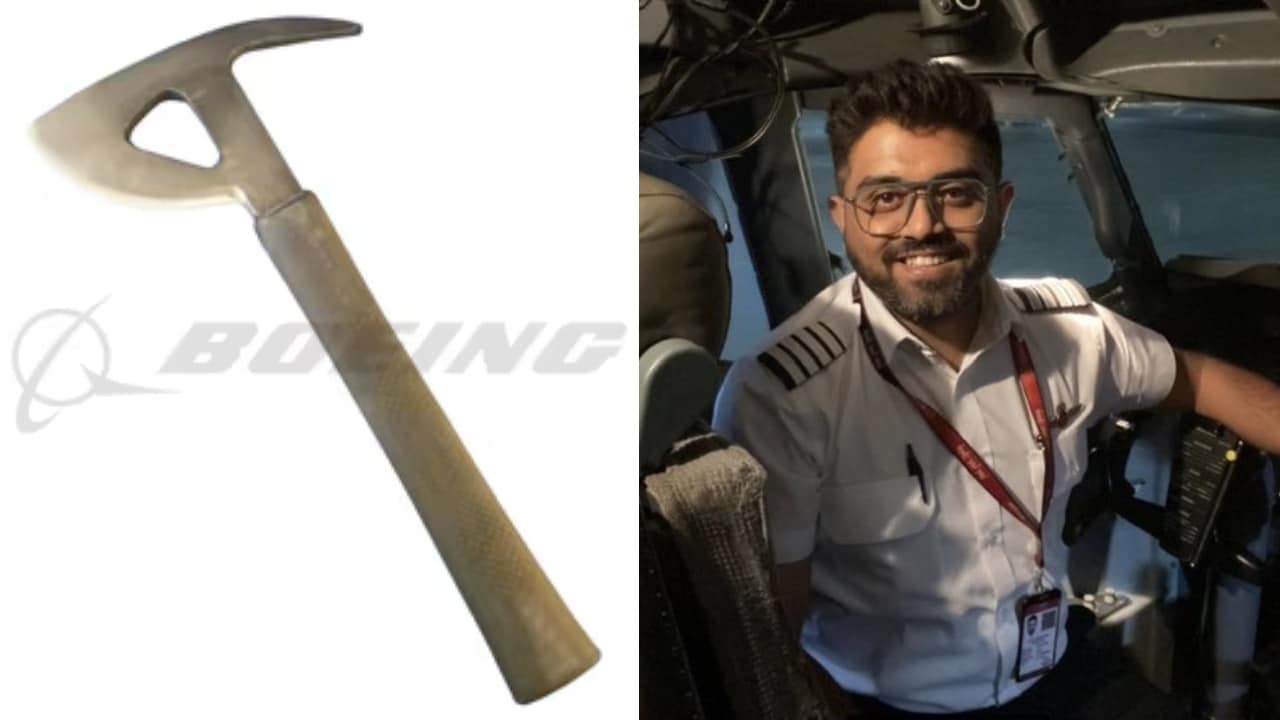
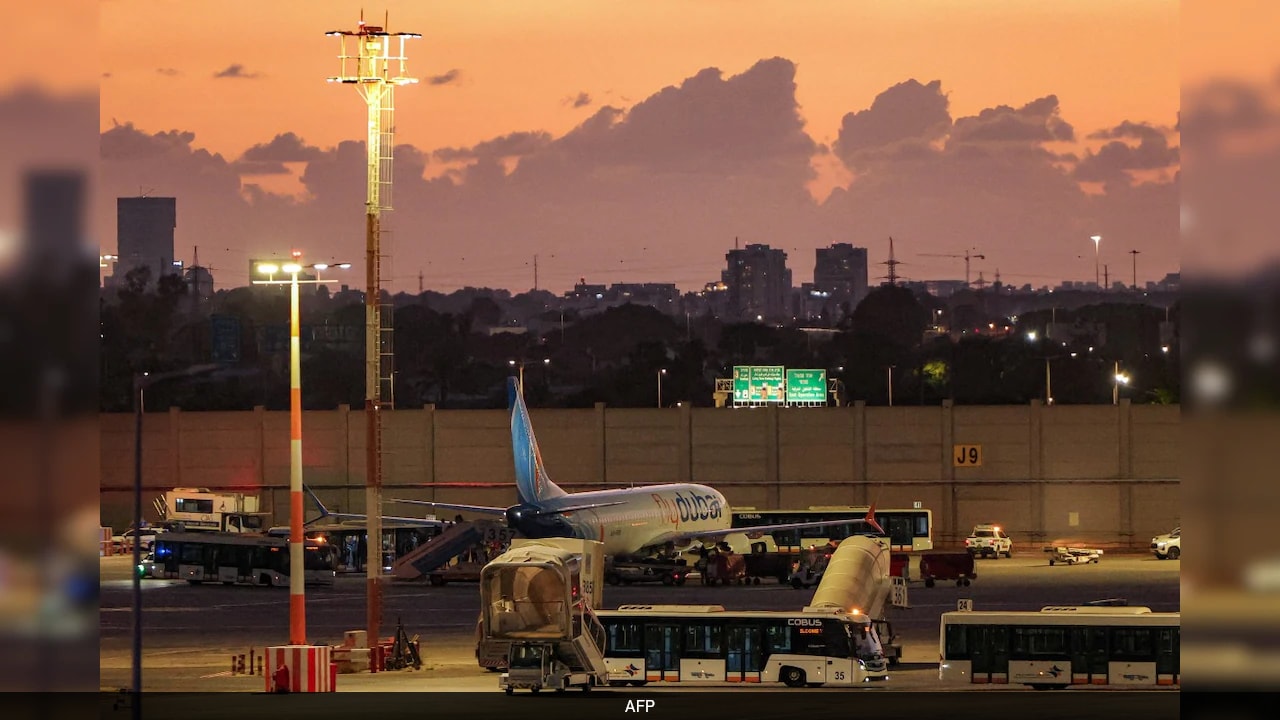
The incident involving a flydubai pilot who allegedly attempted to crash an aircraft exposed glaring vulnerabilities in how modern commercial aviation screens, monitors, and supports the minds behind the controls. Headlines quickly seized on sensationalized details about religious extremism and social isolation. Colleagues pointed to a man who avoided women and drifted into ideological rigidity. But reducing a near-disaster to a profile of isolated fanaticism misses the systemic failure that allowed a compromised individual to occupy a flight deck in the first place.
Commercial aviation operates on an illusion of absolute security. Passengers board massive aluminum tubes trusting that redundant systems, rigorous training, and infallible vetting have filtered out anyone incapable of handling the immense responsibility of flight. That illusion shatters the moment human psychology enters the equation.
The Blind Spots of Aviation Vetting
Aviation security historically focuses on external threats. Metal detectors, baggage scanners, and explosive trace detectors dominate airport architecture. Yet, the most lethal threat to an aircraft rarely comes through the terminal doors with a weapon. It sits in the left seat wearing four stripes.
Background checks verify flight hours, legal records, and technical competence. They do not peer effectively into the shifting internal landscape of a pilot under extreme stress, ideological radicalization, or psychological deterioration. When colleagues later came forward to describe warning signs, a familiar pattern emerged. Red flags were missed, minimized, or dismissed as eccentricities.
In high-pressure corporate environments, professional courtesy often prevents coworkers from reporting troubling behavior. No one wants to ruin a career over a hunch. Aviation culture demands absolute competence and unwavering confidence. Admitting to mental health struggles or reporting a peer as unstable carries professional penalties that pilots avoid at all costs. This environment of silence creates fertile ground for psychological fractures to widen unchecked.
Radicalization in Professional Isolation
Modern long-haul and regional flying involves grueling schedules, time zone exhaustion, and profound periods of isolation. Pilots spend days in sterile hotel rooms thousands of miles from home. In that vacuum, the digital world rushes in.
Ideological extremism rarely manifests overnight. It festers in echo chambers. When a vulnerable individual retreats from normal social structures—such as avoiding female colleagues or rejecting standard workplace camaraderie—they often substitute professional norms with rigid, dogmatic belief systems.
Colleagues of the flydubai pilot noted a distinct hardening of his worldview over time. Social withdrawal is a classic indicator of psychological distress or radicalization, yet airline reporting mechanisms are rarely designed to catch behavioral drift. Flight operations monitor fuel burn, landing rates, and adherence to standard operating procedures. They track physical health through mandatory periodic medical exams that rely heavily on self-reporting during brief clinical interviews. A pilot determined to conceal extremist views or severe psychological strain can easily pass these superficial evaluations.
The Mental Health Stigma in the Cockpit
The aviation industry has wrestled with pilot mental health for years, most acutely after the deliberate crash of Germanwings Flight 9525 in 2015. That tragedy forced regulators to confront the reality that pilots suffering from depression or suicidal ideation will actively hide their conditions to protect their medical certificates and livelihoods.
Despite incremental improvements, the culture remains punitive. If a commercial pilot seeks professional help for anxiety, depression, or personal crises, the regulatory machinery often grounds them indefinitely. The message sent by the system is clear. Conceal your struggles, or lose your career.
When vulnerability becomes a professional liability, individuals choose isolation. They retreat into ideological certainty or emotional numbness. The flydubai incident underscores the urgent need to decouple psychological support from punitive grounding. Airlines must foster environments where psychological check-ins are treated with the same routine normalization as pre-flight aircraft inspections.
Redefining Flight Deck Security
Securing the modern flight deck requires moving beyond locked reinforced doors and physical security protocols. The cockpit door keeps hijackers out, but it also isolates the captain and first officer from external intervention when the threat originates from within.
Enhanced psychological monitoring cannot rely solely on periodic self-assessments. Peer-to-peer reporting programs, properly decoupled from automatic termination, offer a more reliable safety net. Colleagues observe behavioral changes long before an incident occurs. Empowering flight crews to intervene early, without the fear of destroying a peer's career over a false alarm, bridges the gap between operational silence and disaster.
Aviation safety was built on the wreckage of past mistakes. Every rule in the Federal Aviation Regulations or European Union Aviation Safety Agency guidelines is written in blood. Ignoring the psychological and behavioral precursors of insider threats ensures that the next catastrophe is only a matter of time.
The red flags surrounding the flydubai flight were visible to those working closest to the pilot. The failure was not a lack of warning signs, but a complete absence of a mechanism to act on those warnings before the cockpit became a battleground.